Promoting a just energy transition, in harmony with nature
Our achievements in the field of Climate & Energy

Climate change is not a distant threat, it is reshaping Romania’s landscapes, communities, and economy right now. Over the past two decades, WWF-Romania has recognised this reality and responded to these challenges with ambition, rigor, and a deep commitment to people and nature.

Orieta Hulea
CEO WWF Romania
Our work in the areas of climate change and the energy transition has been guided from the very beginning by the conviction that it must be fair, inclusive, and beneficial to both people and nature. From promoting multisectoral planning for renewable energy in harmony with nature to piloting Romania’s first local action plan on energy poverty and protecting rivers so they can flow freely, we have chosen to operate at the intersection of science, public policy, and practice.
Looking ahead, our priorities remain clear: financial systems aligned with climate and nature conservation goals, planning frameworks that treat biodiversity as a non-negotiable requirement, and an energy transition in which no community is left behind. The scale of the challenge requires not only better policies, but also stronger coalitions across sectors, regions, and generations.
WWF-Romania's work in the field of climate and energy
WWF-Romania’s work in the field of climate and energy has gained significant momentum over the past 5–10 years. Consequently, on this page you will find a brief but rapidly evolving history, shaped by the acceleration of climate risks, geopolitical and energy crises, European Union policy frameworks, and growing national engagement in this field.
Romania is undergoing a transition to a low-carbon economy, driven by the EU’s climate targets and climate change, while the energy sector aims to shift from fossil fuels to cleaner alternatives. However, structural challenges persist, including limited institutional capacity, insufficient coordination, and a lack of data and planning, and cities, which account for approximately 75% of energy consumption, often need more robust climate strategies and monitoring systems.
In this context, Romania must strike a balance between energy efficiency, combating energy poverty, accelerating the adoption of renewable energy, and reducing emissions, while ensuring a just and nature-positive transition. WWF-Romania acts as a catalyst, connecting science, public policy, and on-the-ground solutions to transform the transition into a set of practical, scalable, and inclusive solutions.
WWF's role in this journey
WWF-Romania plays a strategic role in shaping Romania’s climate and energy transition, ensuring that it not only leads to emissions reductions but also brings benefits for nature, communities, and long-term economic resilience.
By working at the intersection of science and innovation, public policy, finance, and local implementation, WWF helps steer the transition toward solutions that are both nature-friendly and socially inclusive, while anticipating future risks and opportunities.
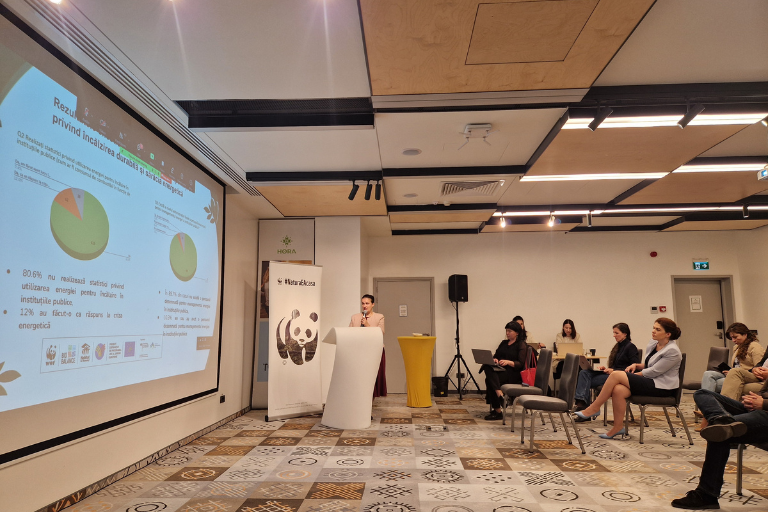
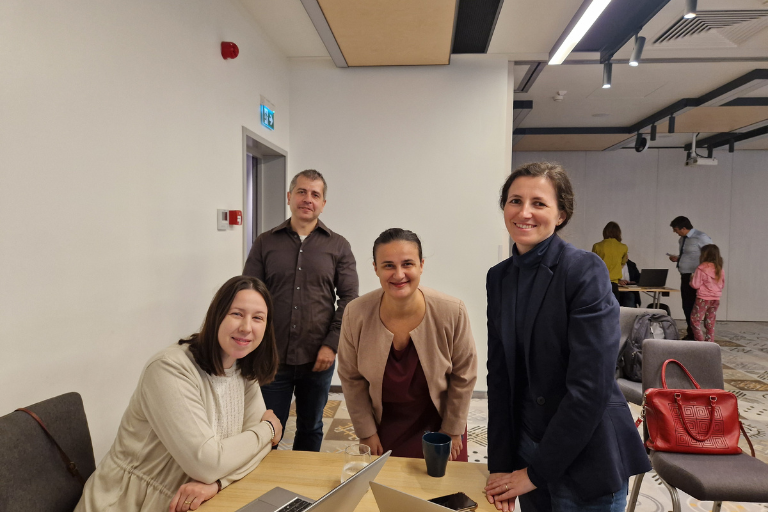
Major achievements
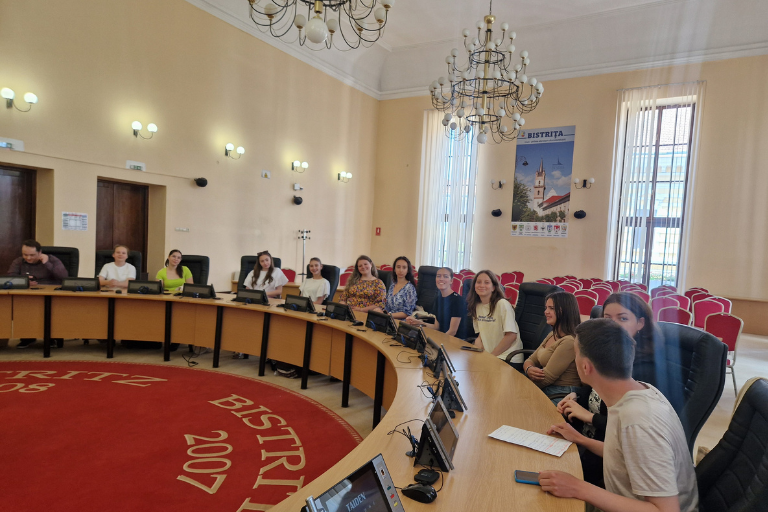
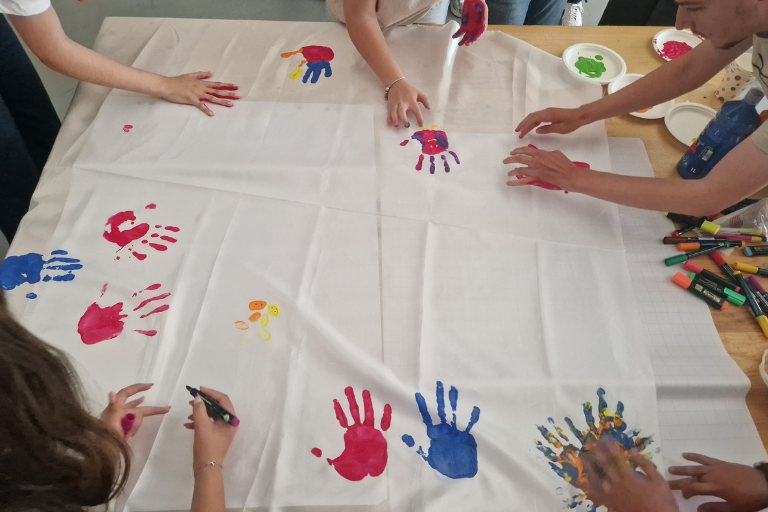
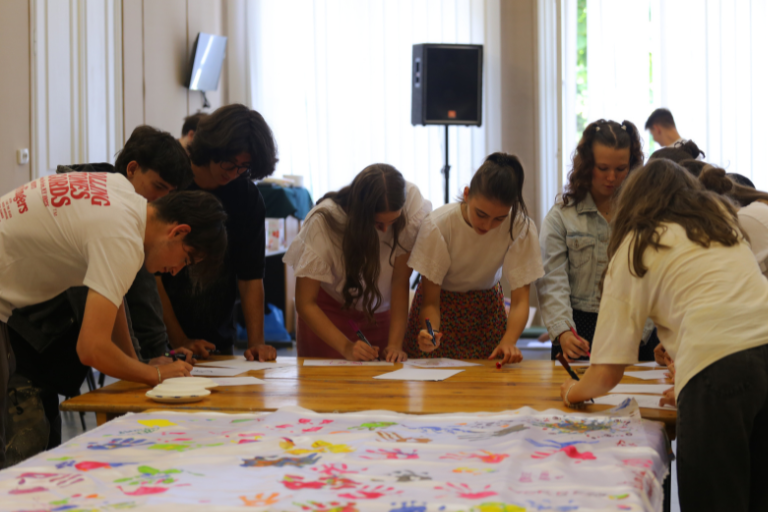
Youth-driven climate action in 12 cities across Romania
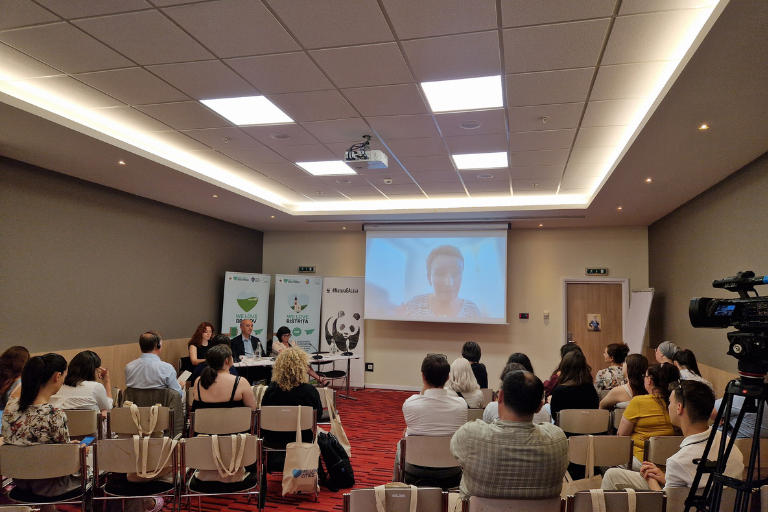
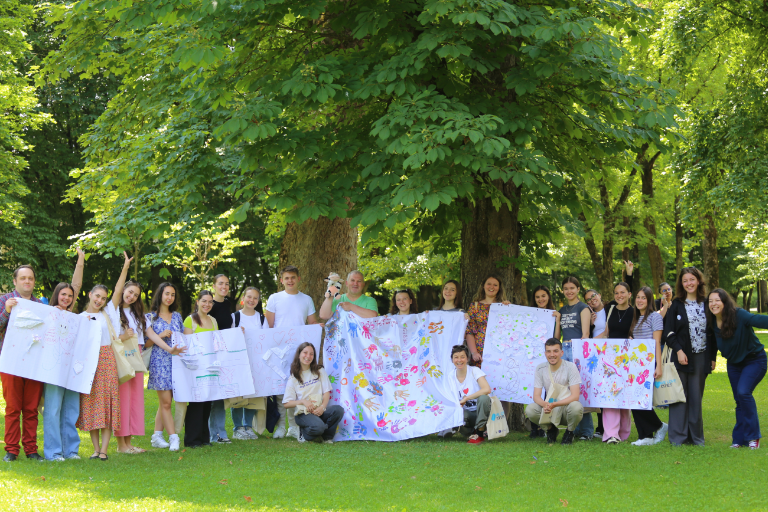
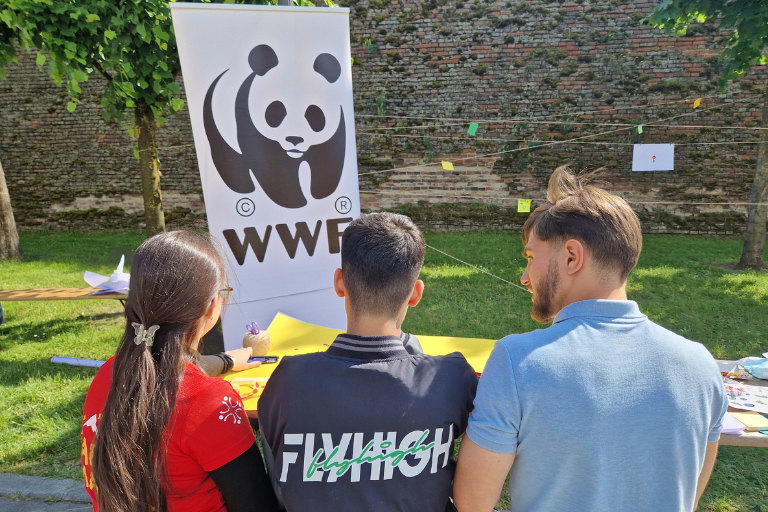
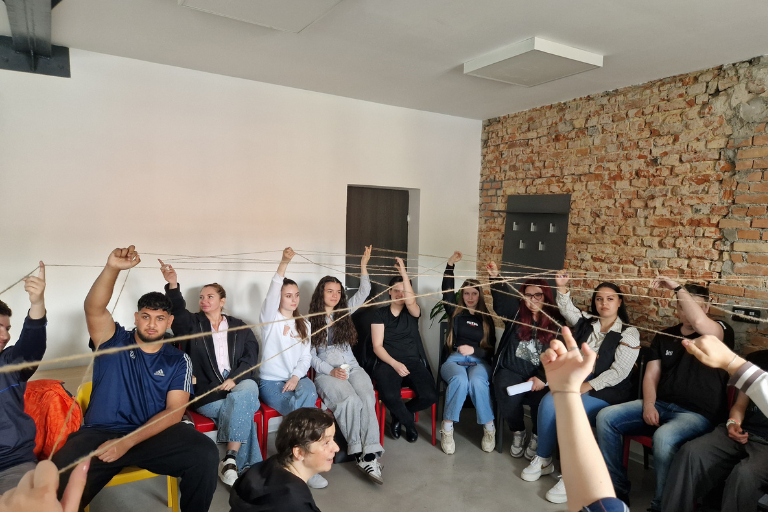
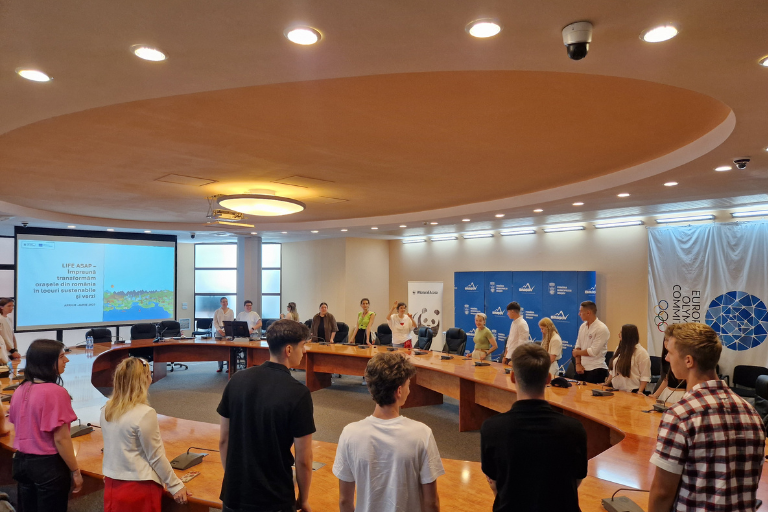
WWF has mobilised hundreds of young people in Romania to learn about climate change and propose local solutions. They participated in educational activities, civic engagement initiatives, and hands-on workshops, contributing ideas for greener cities and engaging in dialogue with local authorities.
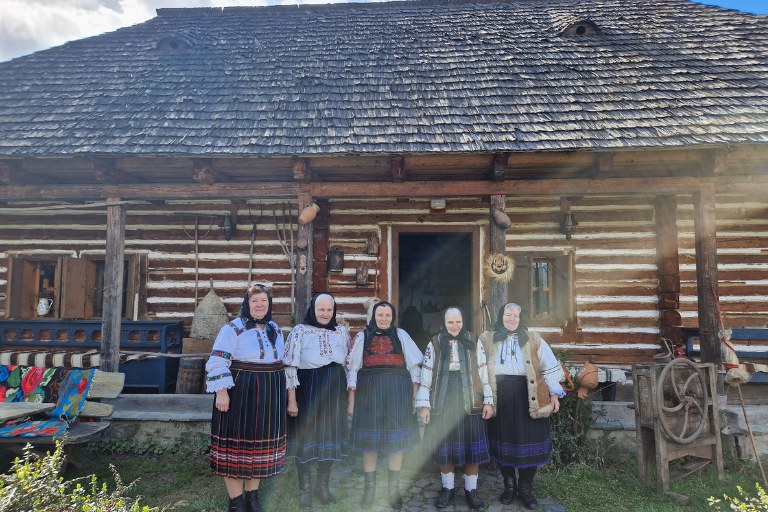
The first local action plan on energy poverty piloted in Maramureș
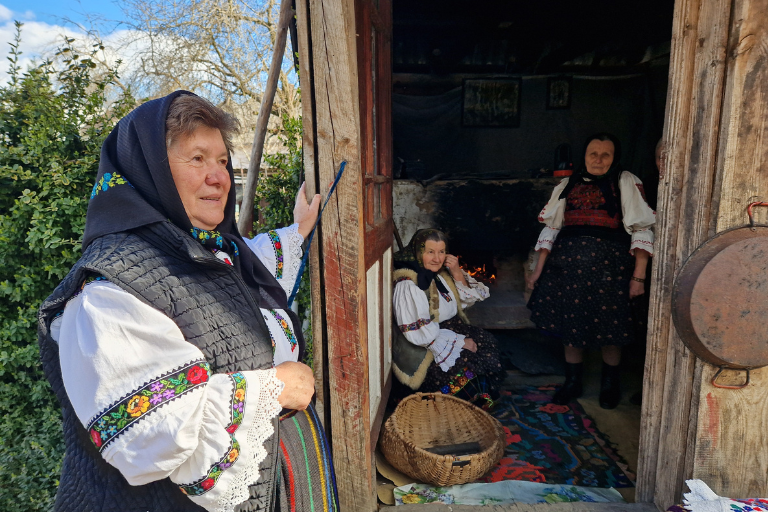
WWF helped develop the first local plan to address energy poverty in Lăpuș, Maramureș. The needs of vulnerable households have become more visible in climate policies, and the specific challenges facing rural communities have been better recognized.
Romania shifted away from harmful micro‑hydropower toward more nature-positive energy solutions
More than 15,000 citizens were mobilised to protect rivers. WWF’s efforts helped protect several rivers from harmful developments, including the Nera and Topolog rivers, while we used mapping tools to highlight the overlaps between hydropower projects and valuable ecosystems. At the same time, WWF has promoted sustainable alternatives in the hydropower sector, such as the modernization of existing hydropower plants and the development of low-impact pumped-storage solutions.
Nature-positive renewable energy planning advanced in Romania
WWF has contributed to the development of renewable energy planning approaches that integrate biodiversity and community interests through the first methodology for identifying low-conflict areas for renewable energy project development. This methodology has been tested in pilot areas such as Brașov and Prahova, providing useful tools for the future national planning and mapping process.
How we act
WWF Romania advances climate and energy solutions by:
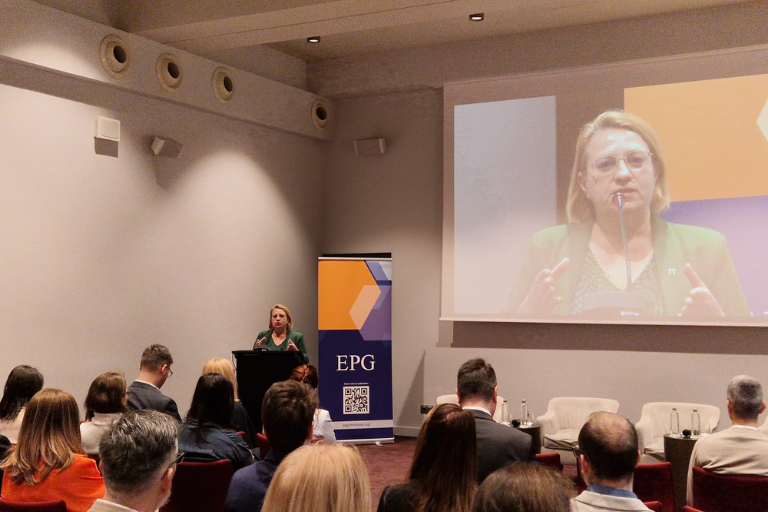
Driving policy change
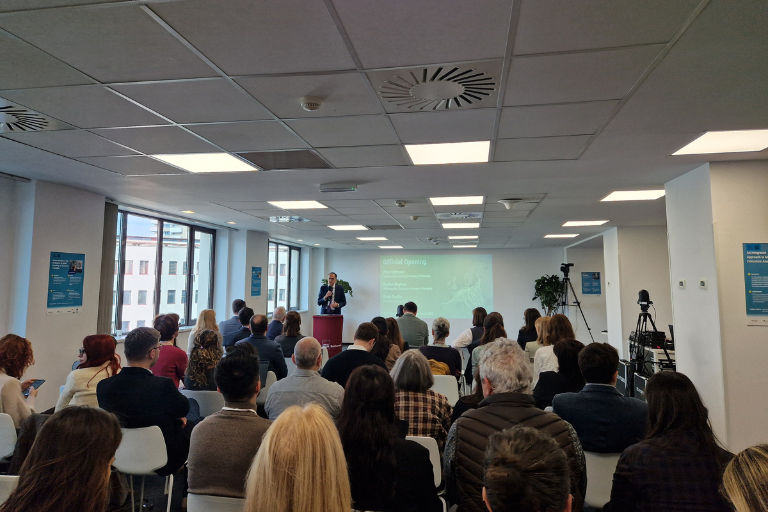
WWF-Romania participates in key national processes (for example, the National Integrated Plan for Energy and Climate Change, the National Social Climate Plan, the Action Plan for Sustainable Energy and Climate, the National Strategy and Action Plan for Biodiversity Conservation, and the National Recovery and Resilience Plan) to promote integrated, cross-sectoral planning and ambitious, evidence-based policies.
Promoting renewable energy with low environmental impact
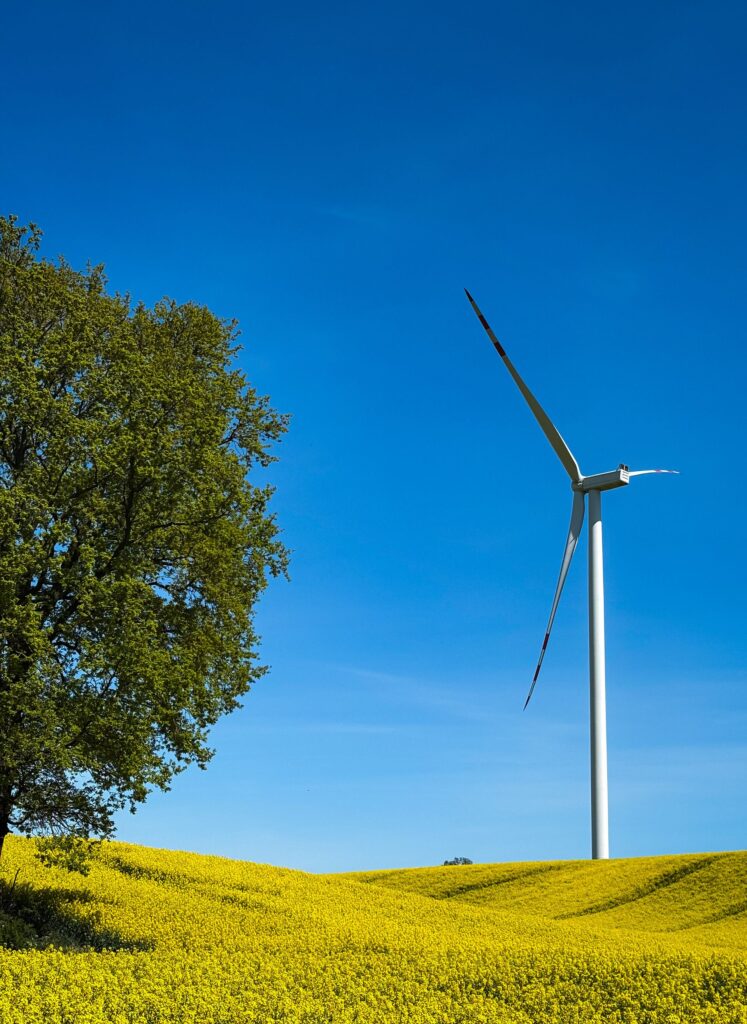
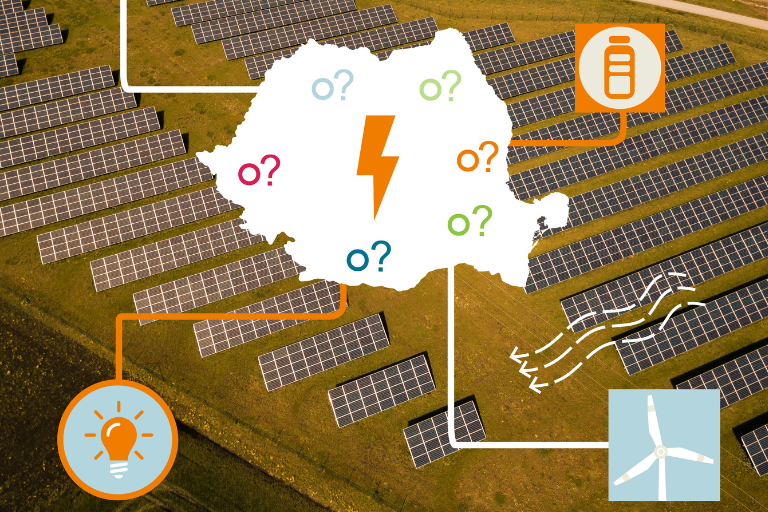
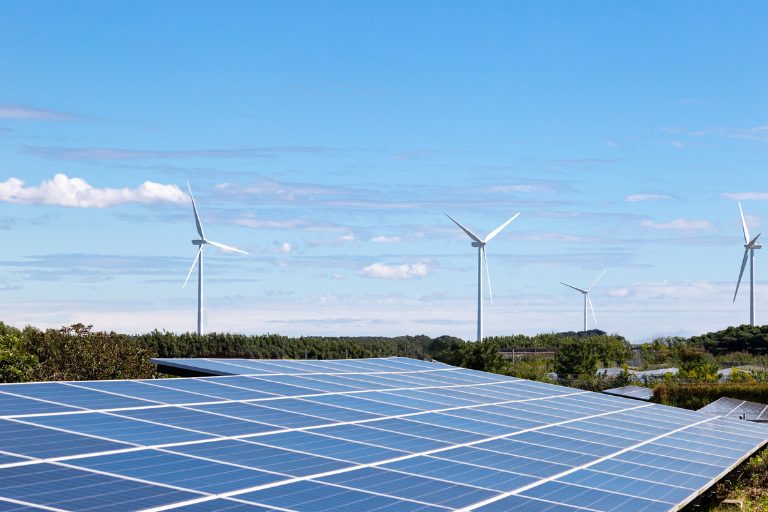
Supporting spatial planning through a multisectoral approach that helps harmonise the priorities of various sectors to accelerate the development of solar and onshore wind energy, while preventing biodiversity loss and conflicts.
WWF-Romania has helped shape a more balanced approach by developing the first science-based, multisectoral, and multi-criteria methodology for identifying suitable areas for renewable energy from onshore solar and wind sources.
This methodology has been successfully tested in pilot regions such as Brașov and Prahova, demonstrating that renewable energy can be implemented in a way that avoids sensitive ecosystems and increases local acceptance. This initiative shows that accelerating the adoption of renewable energy and protecting nature are not conflicting goals, but can be addressed together through better planning.
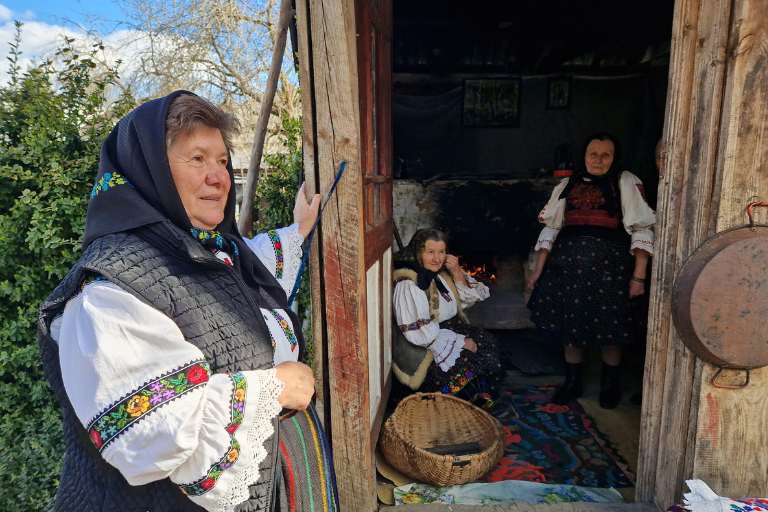
Tackling energy poverty and enabling just transition
Promoting inclusive policies and financing mechanisms for vulnerable households, particularly those that rely on firewood for heating, and promoting affordable energy-efficiency solutions.
For example, WWF-Romania collaborated with local authorities in Lăpuș (Maramureș) to develop and pilot the first local action plan on sustainable home heating and reducing energy poverty, designed to be replicated by other municipalities.
The pilot project contributed not only to improving living conditions in several dozen vulnerable households and reducing air pollution in the commune of Lăpuș, Maramureș, but also to a significant shift in public policy.
Today, individual households that rely on firewood for heating are included among the priority beneficiaries of the Social Climate Fund by the Ministry of Investments and European Projects.
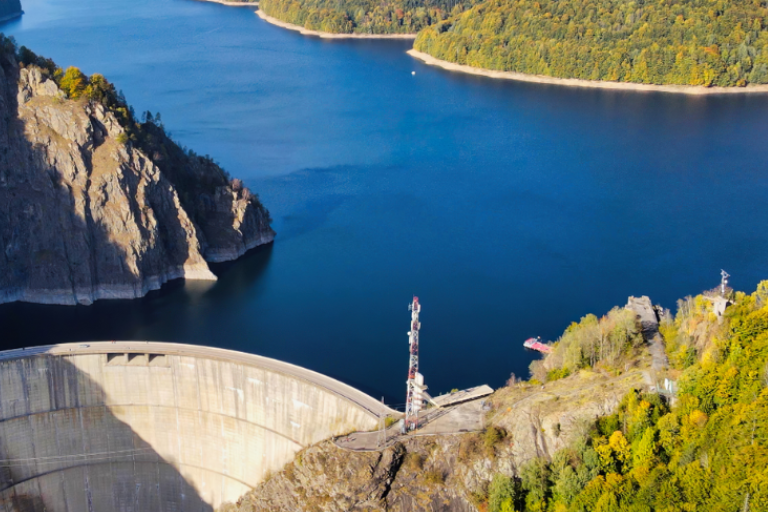
Advancing better solutions for the hydropower sector
Promoting the modernization of existing infrastructure and low-impact energy storage as a cost-effective and more sustainable alternative to planned investments in protected natural areas.
Through its “Romania’s Rivers: The Last Chance” campaign, WWF has highlighted issues such as biodiversity loss, the disregard for risks and cumulative impacts in exchange for minimal energy contributions, and poor planning. WWF’s efforts have helped protect several rivers from harmful developments.
At the same time, it has helped promote sustainable alternatives in the hydropower sector, such as the modernization of existing hydropower plants and the development of low-impact pumped-storage solutions, thereby accelerating the sustainable development of solutions in other renewable energy sectors.
Enabling greener cities & empowering young people
Supporting cities through monitoring and reporting tools, while also promoting participatory processes that actively engage citizens of all ages and transform their contributions into actionable urban solutions.
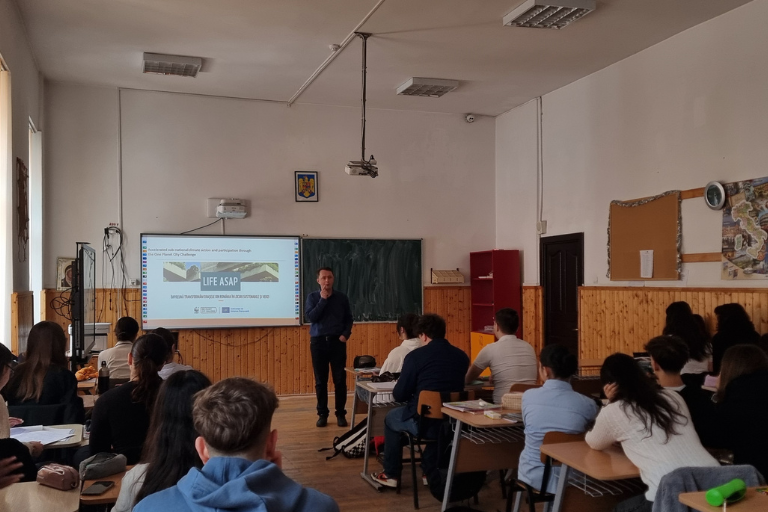
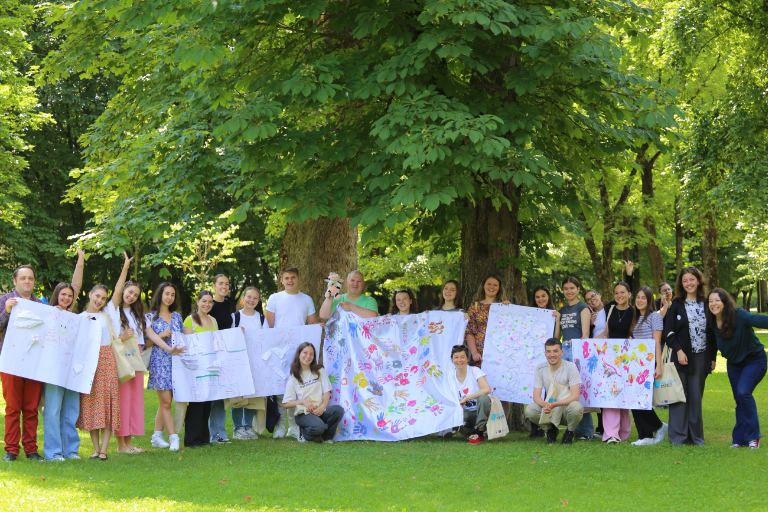
Through initiatives such as the LIFE ASAP and Climate Heroes projects, WWF-Romania has supported young people in 12 cities across Romania in developing their capacity and knowledge regarding climate change, as well as civic skills such as critical thinking, identifying challenges and solutions, and civic engagement.
At the same time, WWF has focused on helping young people move from awareness to action by connecting their ideas to real public policy processes and strengthening cities’ capacity to plan, report on, and implement climate actions.
Mobilising stakeholders and enabling local action
Supporting public consultations, civic engagement, and collaborative platforms that enable communities to influence decisions that affect their environment and energy future.
Building partnerships and alliances
Collaborating with local and national authorities, academia, the energy sector, and civil society to align interests and bring about systemic change.
Looking ahead
WWF-Romania will continue to support Romania’s transition toward a climate-neutral and resilient future, integrating climate action with nature conservation and social equity. The next step will depend not only on expanding renewable energy but also on ensuring that solutions are implemented in ways that protect ecosystems, support communities, and build long-term resilience.
A key priority will be promoting sustainable finance and greening financial systems, in line with WWF’s international approaches. At the same time, by promoting renewable energy, nature-based solutions, a sustainable economy, and climate-resilient planning, the organization aims to help build a more resilient, equitable, and prosperous future.