Ecological restoration is more than a technical process.
Bringing life back to an area and restoring hope to a community are the things that motivate and inspire us.
Orieta Hulea
CEO WWF-Romania
Rivers, floodplains, and the other wetlands are among Romania’s most valuable natural resources: they provide us, humans, with the water we cannot live without, sustain biodiversity, and support local livelihoods.
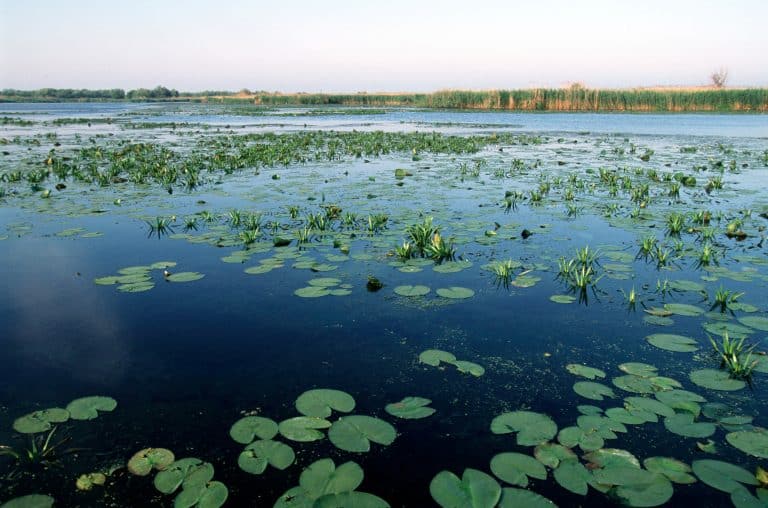
From mountain streams to the Danube Delta, freshwater ecosystems have always helped regulate floods and mitigate the severity of droughts, store carbon, and shape the cultural identity of communities.
What changed over the past century
Many ecosystems have undergone major changes: floodplains have been dammed and drained, wetlands have been converted into agricultural polders, and rivers have been fragmented by barriers.
When the natural dynamics of water are disrupted, the effects are reflected in a dramatic decline in biodiversity (populations of freshwater species have fallen by more than three-quarters since 1970!), the loss of natural protection in the face of risks (especially floods and droughts), and the vulnerability of communities to climate change.
Nature-based Solutions are defined by the fact that they support both biodiversity and people.
Restoring nature. And why it isn't "just for nature"
For WWF-Romania, restoring freshwater ecosystems means reconnection: rivers connected to their floodplains, wetlands connected to their natural processes, and ecological functions that become active once again.
Ecological restoration, a Nature-based Solution (NbS), is an intervention that can simultaneously benefit biodiversity and people, and that includes adapting to climate change.
Milestones from 20 Years of Freshwater Projects
Ecological restoration at Mahmudia-Carasuhat
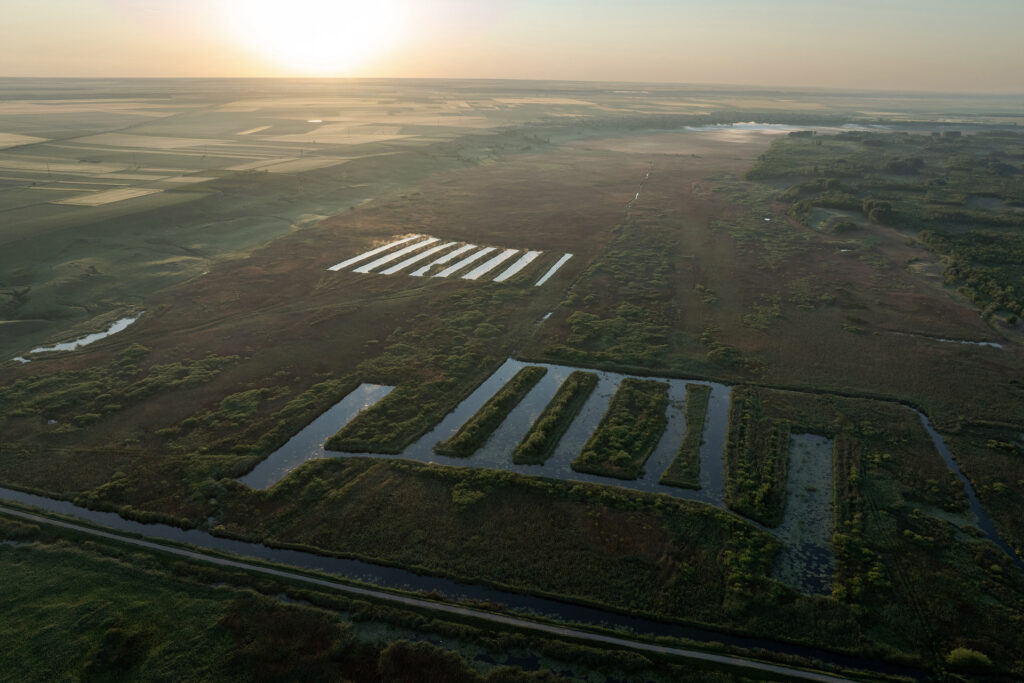
WWF, together with the local community and the Delta Biosphere Reserve Administration, has reconnected 924 ha in the Carasuhat agricultural area to the Danube’s natural flow – a national model for wetland restoration. Today, we are supporting the local community in preserving the entire 2,500 ha wetland area.
Floodplain restoration at Gârla Mare (Mehedinți)
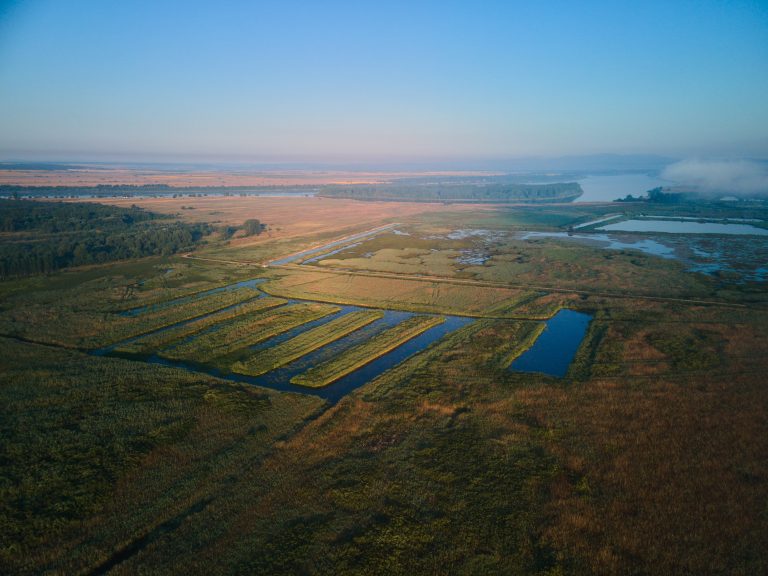
WWF has reconnected over 400 ha of floodplains and ponds to the Danube, benefiting 80 protected species and the local community, and providing a water retention capacity of ~5 million m³ during floods.
Establishment of Three Transboundary Ramsar Sites on the Lower Danube (2013)
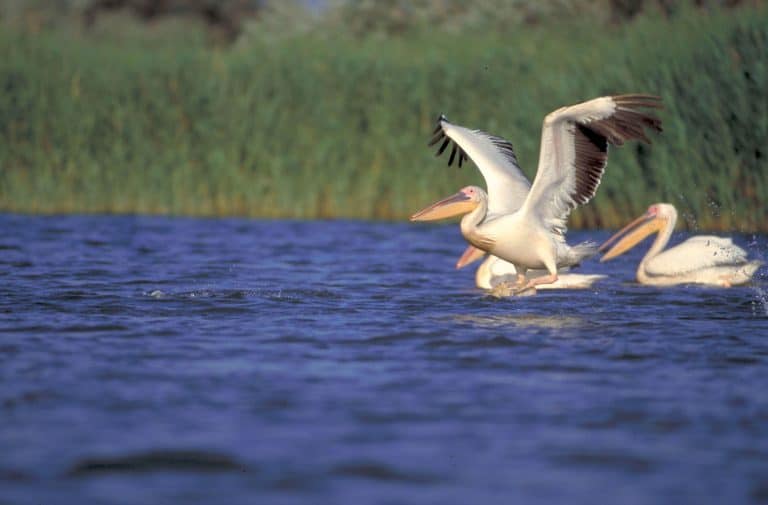
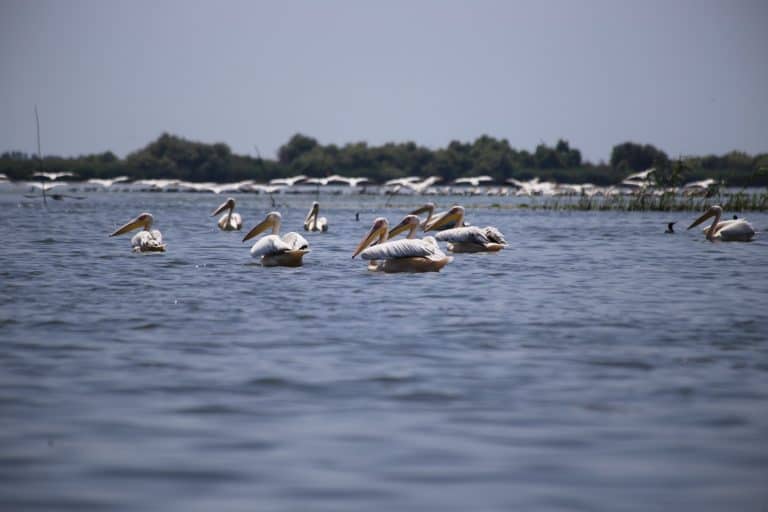
WWF has prepared the official designation of the Bistreț – Ibisha Island, Suhaia – Belene, and Călărași – Srebarna sites, thereby strengthening the protection of bird colonies and the coordinated management of wetlands between Romania and Bulgaria.
Identifying and Promoting Ecological Restoration Sites in the Danube Floodplain
WWF has mapped and assessed (over the past 20 years) sites with high potential for ecological restoration in the Danube Floodplain, thereby keeping the issue of restoration in the public eye and, above all, on the authorities’ agenda (by including ecological restoration in flood risk management plans).
The Danube Floodplain - massive restoration potential
In the Danube Floodplain, the stakes are enormous: a large portion of the historic floodplains has been lost due to embankments and drainage, with consequences for water retention capacity, water quality, and biodiversity.
At the same time, it is precisely in this area that there is clear potential for ecological restoration, as there are viable priorities, technical evidence, and public support to move from ambition to implementation.
80% of the Danube Floodplain has been lost as a natural ecosystem over the past century due to massive embankment construction, drainage, and conversion into agricultural land.
Evidence from the Danube Floodplain: Gârla Mare
At Gârla Mare-Vrata, ecological restoration involved re-establishing the connection between the river and the floodplain: channels were dredged and rehabilitated, ponds were reconnected, water bodies were created, and riverbanks were stabilized where necessary – all while carefully considering the community’s ability to access this new resource.
The results are clearly visible: over 400 ha reconnected, benefits for more than 80 protected species, and a flood retention capacity of approximately 5 million m³ – an example recognized as a replicable model for floodplain restoration in the Romanian sector of the Danube.
Credibility: social support for reconnecting floodplains
In addition to field evidence, social sustainability is also important: when people are informed and involved, nature restoration becomes easier to sustain in the long run.
A poll conducted in 2026 in communities along the Danube floodplain near the Bistreț, Potelu, and Arceru wetlands shows nearly 80% support for ecological restoration projects, including reconnecting former ponds to the river’s natural flow.
Nearly 80% of local residents say they support restoration projects.
150.000
floodplain hectares could be restored
After decades of embankment construction and drained land that have affected most of the Danube Floodplain, Romania now has an estimated potential of over 150,000 ha for wetland restoration.
The Danube Delta
Proven Potential for Ecological Restoration
In the Danube Delta, one-third of the original area of wetlands and lakes has been lost due to various human interventions. Excessive drainage has been carried out for agricultural purposes, and intensive agriculture is also responsible for large quantities of chemical fertilizers and pesticides being released into the water.
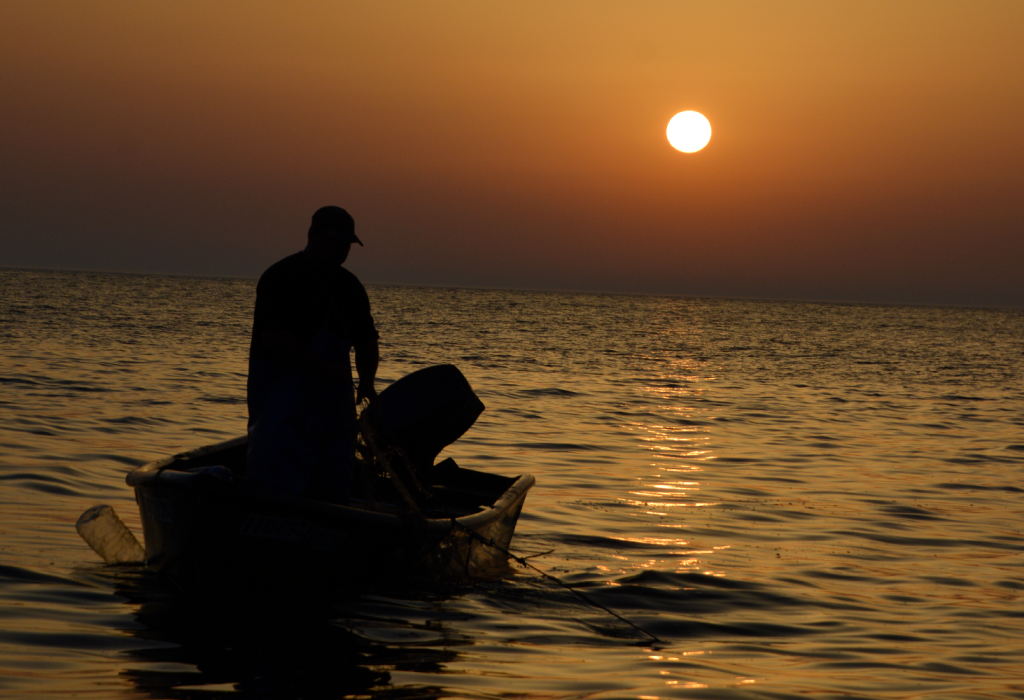
Nature restoration is directly linked to hydrological connectivity: when water can flow freely again, wetlands become functional once more, and biodiversity returns. Furthermore, the benefits are readily apparent at the local community level: fishing, reed harvesting, and nature-based tourism – all depend on a thriving delta with active ecological processes.
Mahmudia-Carasuhat - a Model for the Entire Delta
97%
of local residents want the Carasuhat wetland to be preserved.
In the early 2000s, the Carasuhat area was disconnected from the natural dynamics of the water system, with declining biodiversity and traditional activities being affected. Our intervention aimed to restore hydrological connectivity through the rehabilitation of dikes, the Carasuhat Canal, water bodies, and microtopography, as well as monitoring and community engagement.
Between 2012 and 2016, approximately 924 ha were restored, and in 2023 a local survey showed that 97% of residents wanted to preserve the wetland (which had expanded that year following the collapse of a dike). The Mahmudia-Carasuhat example has become a reference point demonstrating that restoring nature can generate trust and hope.
How we act
Complementary Courses of Action
WWF-Romania’s approach brings together four key areas: the restoration of wetlands and floodplains (lateral connectivity), the creation of databases and restoration processes, the strengthening of cooperation and governance, and the reconnection of rivers (longitudinal connectivity).
We believe this combination is the driving force behind credibility: pilot projects in the field, evidence and prioritization, partnerships, and public decision-making – so that nature restoration efforts can be scaled up.
We operate at the confluence of concrete projects on the ground, science-based data collection and analysis, the wishes and interests of local communities, and policy.
Next: From Examples to Large-Scale Change
Clear progress has been made, but the challenges are systemic: fragmented governance, insufficient integration into planning and financing, pressures related to land ownership and use, economic incentives still favouring unsuitable solutions, and a chronic need for sustained community participation.
Our next chapter is about expansion: sustainable legal protection for restored wetlands, scaling up Nature-Based Solutions through the involvement of central authorities, and mobilizing funding and partnerships to restore river connectivity – so that ecological restoration becomes the norm, not the exception.
Science, field evidence, and community aspirations all point to a clear conclusion: ecological restoration is the way forward for a future in which people live in harmony with nature.
Alătură-te comunității WWF-România și descoperă poveștile care au definit 20 de ani de grijă pentru natură. Îți scriem ocazional, doar atunci când avem ceva important de împărtășit.
Câmpurile marcate cu steluță (*) sunt obligatorii.