Wildlife conservation and human – wildlife coexistence
20 years of impact in Romania
"Behind every conservation story there are years of work, collaboration, and measurable results."
Orieta Hulea
CEO WWF-Romania
"The Green Heart" of Europe
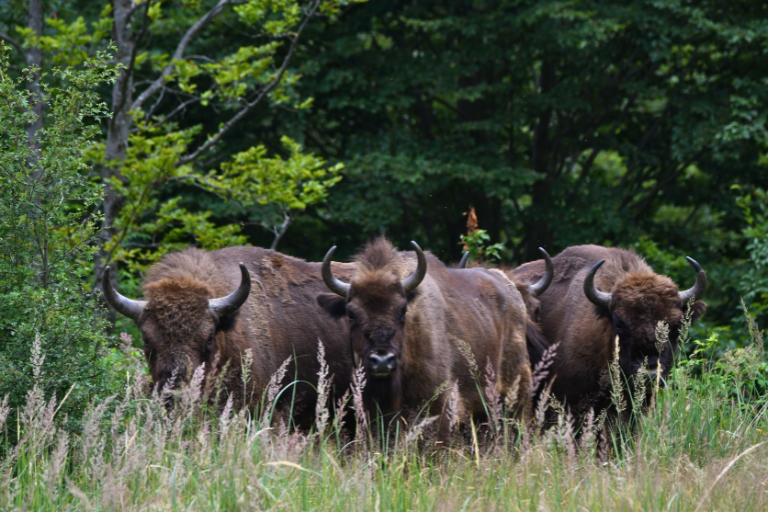
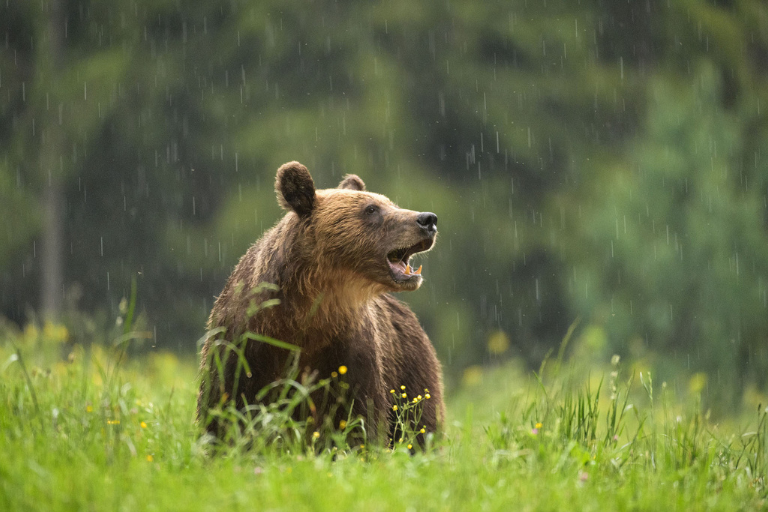
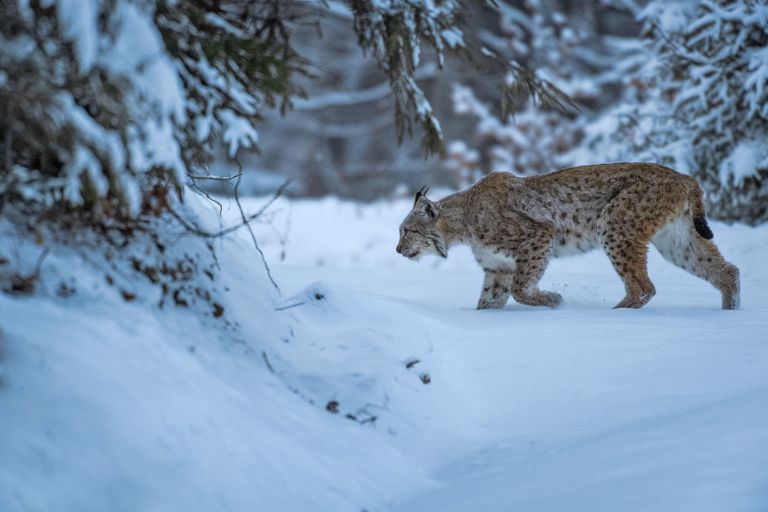
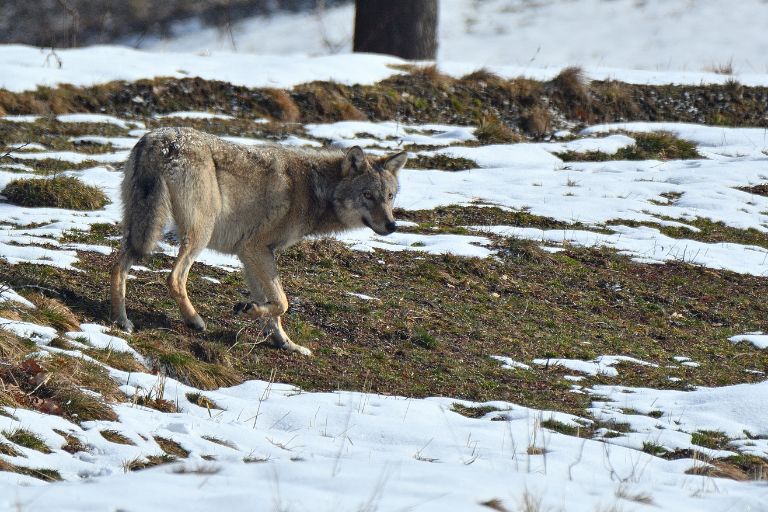
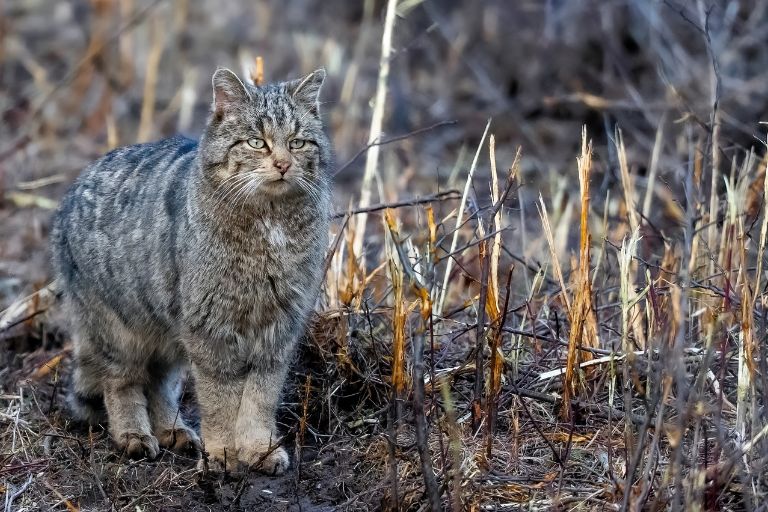
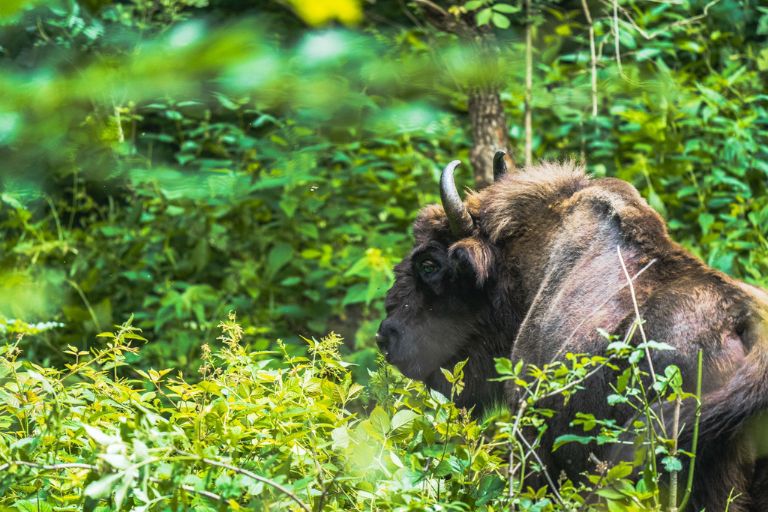
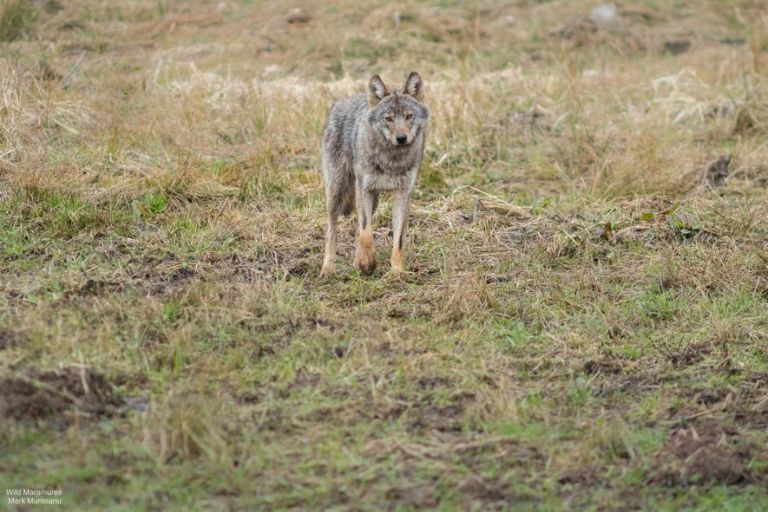
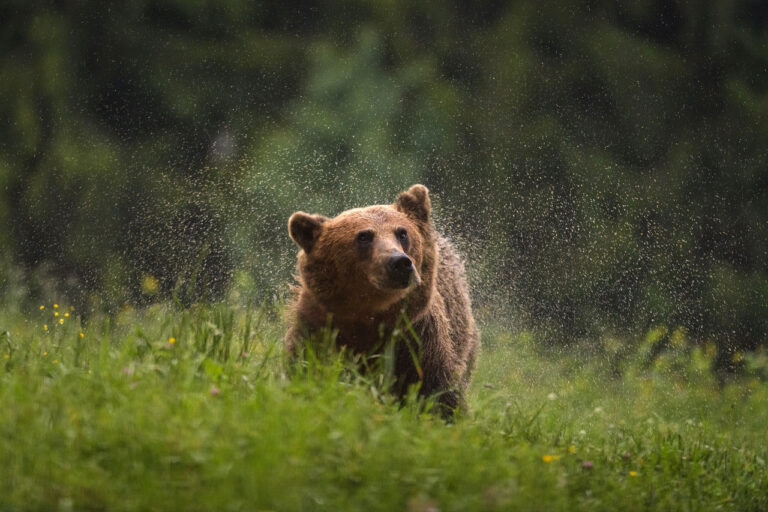
Romania is home to some of Europe’s most iconic wildlife populations – from the brown bears, wolves, lynx and European bison of the Carpathians to the critically endangered sturgeons of the Danube.
This exceptional biodiversity makes Romania a key area for nature conservation at European level. But in recent decades, wildlife has faced growing pressure: habitat loss and fragmentation, infrastructure development, unsustainable use of resources, poaching, and increasing conflicts between people and wild animals.
For WWF-Romania, wildlife conservation means more than protecting species. It means restoring populations, reconnecting habitats, and developing solutions that allow people and nature to coexist and thrive together.
Over the past 20 years, our work has contributed to protecting Romania’s biodiversity and strengthening the country’s role as one of Europe’s most important places for wildlife conservation – a place where solutions are developed, tested, and shared further.
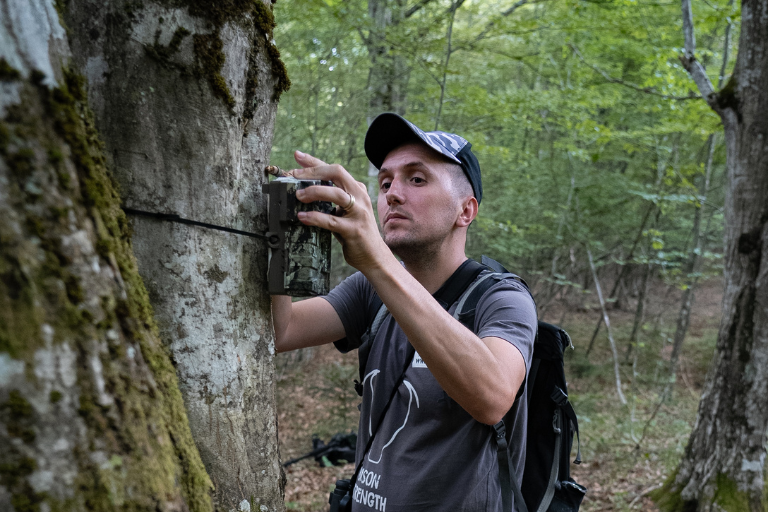
WWF has contributed significantly to changing the way wildlife conservation is put into practice in Romania. We have supported the shift from punctual interventions to a long-term approach, based on science, collaboration, and the involvement of authorities, partners, and local communities.
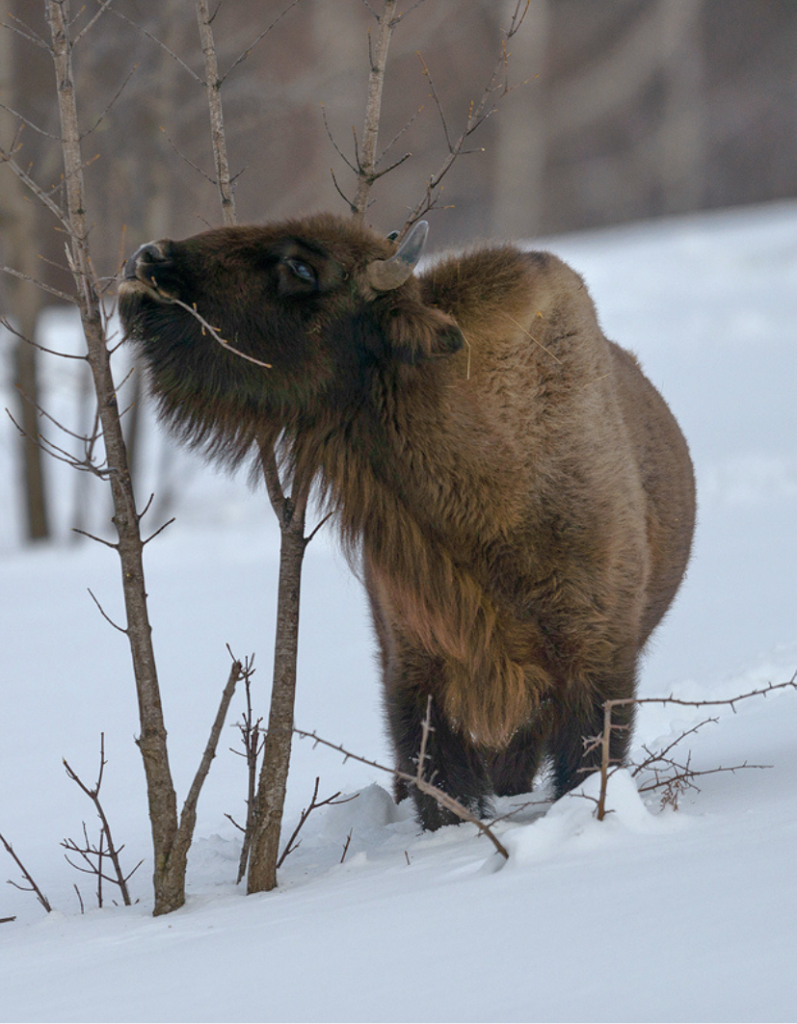
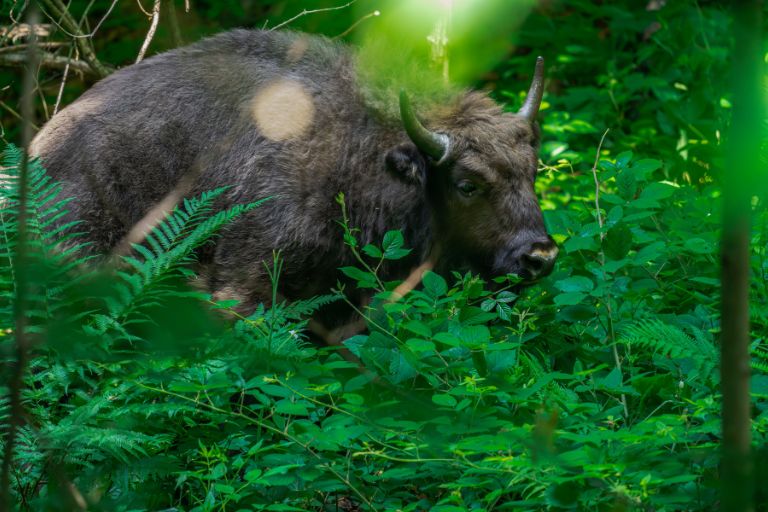
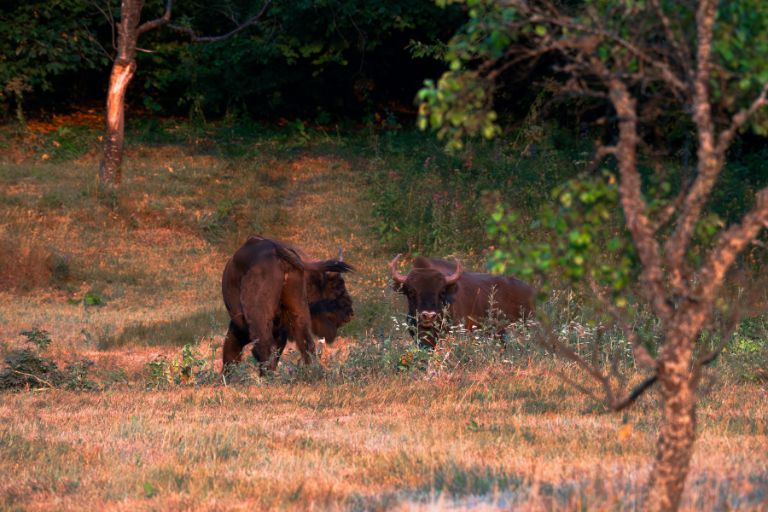
Our work has focused on bringing back the European bison – a species that had disappeared from Romania almost 200 years ago, protecting Danube sturgeons, reducing conflicts between people and wildlife, and developing more effective solutions for monitoring, prevention, and law enforcement.
These efforts have strengthened Romania’s role as a key country for biodiversity conservation in Europe and have shown that protecting nature requires solutions that also take into account the lives, needs, and opportunities of local communities.
Milestones of a 20-year journey
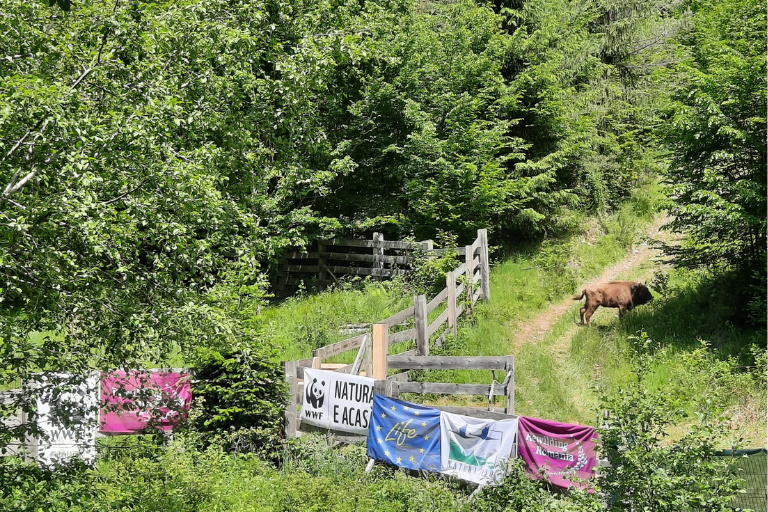
250+ FREE-ROAMING BISON IN THE ȚARCU MOUNTAINS
The European bison returned to Romania after nearly two centuries of absence from the wild
THE FIRST BEAR-SMART COMMUNITY IN ROMANIA
Developed in Băile Tușnad as a model for coexistence for people and brown bears
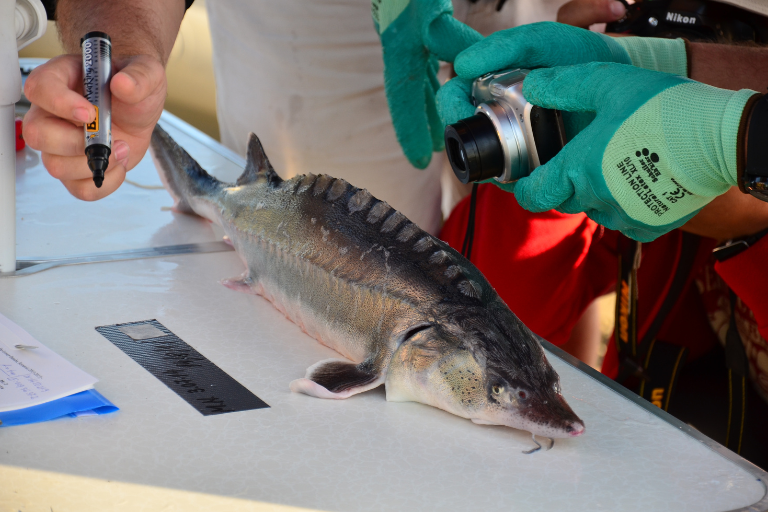
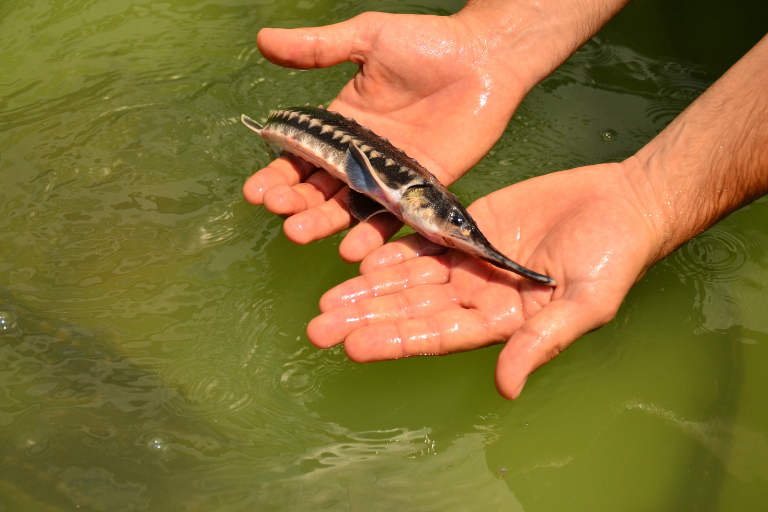
60 000+ YOUNG STURGEONS RELEASED INTO THE DANUBE
Restoring Danube sturgeon populations through large-scale restocking efforts
370+ REPORTS ON ACCIDENTAL STURGEON CATCHES
Romania’s first system for reporting accidental sturgeon catches was created
THE FIRST NATIONAL ECOLOGICAL CORRIDOR NETWORK
Key ecological corridors for large carnivores were identified in Romania
PROTECTED AREAS EXPANDED AND BETTER MANAGED
Expanding the Natura 2000 network and improving management for key species and habitats
Nature has always shown that, when given a chance, it can recover in remarkable ways
Looking ahead
After 20 years of important achievements, the work for Romania’s wildlife continues.
In the coming years, WWF-Romania will continue to support species recovery, protect and reconnect habitats, reduce conflicts between people and wildlife, and develop solutions that help local communities live better alongside nature.
The future of conservation depends on collaboration, science, and people’s involvement. The coming years will be essential to ensure that Romania remains one of Europe’s most important places for biodiversity.
Explore also...
Communities&Food
Climate & Energy
Freshwater
Forests
Main Menu
Scroll to Top
Alătură-te comunității WWF-România și descoperă poveștile care au definit 20 de ani de grijă pentru natură. Îți scriem ocazional, doar atunci când avem ceva important de împărtășit.
Câmpurile marcate cu steluță (*) sunt obligatorii.