Nature conservation: 20 years of impact in Romania
Romania is one of Europe’s richest countries for nature, with forests, rivers, wetlands and traditional landscapes that sustain remarkable wildlife and support people’s lives and livelihoods.
Over the past two decades, this natural wealth has faced growing pressure from habitat loss, illegal logging, pollution, damaging infrastructure, climate change and weak integration of biodiversity into development decisions.
In response, WWF-Romania has worked to connect science, policy and practical action, helping protect species and habitats while supporting communities to build a more resilient future alongside nature.
Read our synthesis of achievements across forests, freshwater, wildlife, climate, energy, food and communities
Areas of work
Wildlife
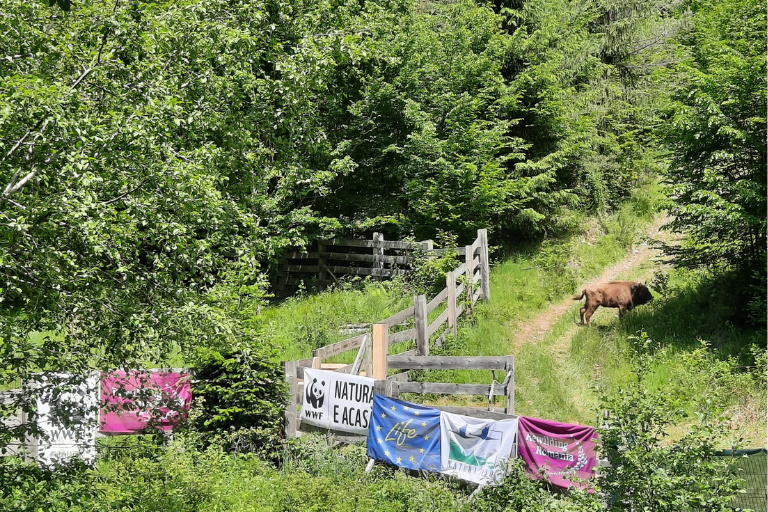
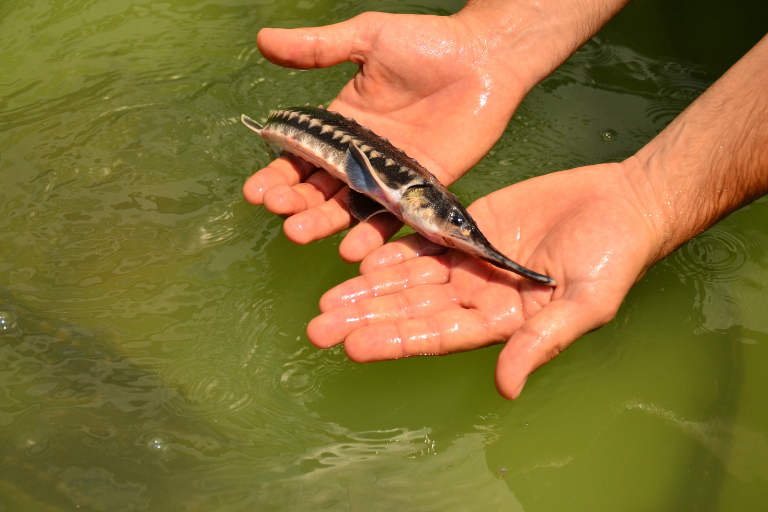
250 European bison have been reintroduced into the wild in the Southern Carpathians, and more than 60,000 sturgeon offspring have been released into the Danube.
Over 84,000 hectares of primary and old-growth forest are now under strict protection, while more than 5,000 stakeholders have been empowered to engage in forest governance.
From around 250 free-roaming European bison in the Southern Carpathians to over 60,000 young sturgeons released into the Danube, WWF has helped drive species recovery and coexistence.
In the Danube Delta, about 924 hectares were restored into functional wetland, while Gârla Mare-Vrata reconnected over 400 hectares and created capacity to retain around 5 million cubic metres of floodwater.
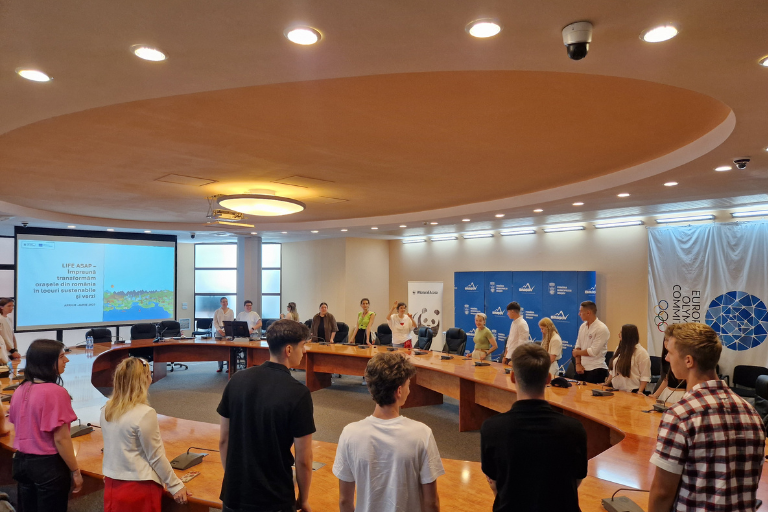
We have supported a just and nature-friendly energy transition by engaging hundreds of young people, developing the first local action plan on energy poverty, and carrying out advocacy efforts that have saved valuable rivers from unregulated hydropower development.
We have helped make sustainability a tangible part of everyday life, from healthier food in schools for over 1.9 million children annually and eco-education, to the protection of pollinators and nature-based local economies.
why this matters
Nature is not separate from people’s lives; it underpins water and food availability, safety, identity, climate resilience and local opportunity. Protecting forests, rivers, species and rural landscapes means protecting the foundations that communities, livelihoods and future generations depend on.
The past 20 years also show that conservation only lasts when it is fair, practical and trusted. Strong governance, community benefits, transparent data, public participation and education are non-negotiable; they are what make long-term change possible.
FORESTS
Forests are essential to our survival. They provide clean air, shelter millions of species, protect water sources, and fight climate change. Yet they continue to disappear. Healthy forests sustain the Carpathian communities whose traditions and culture depend on them. Protecting forests means preserving ecosystems, combating climate change, and ensuring biodiversity for future generations.
WILDLIFE
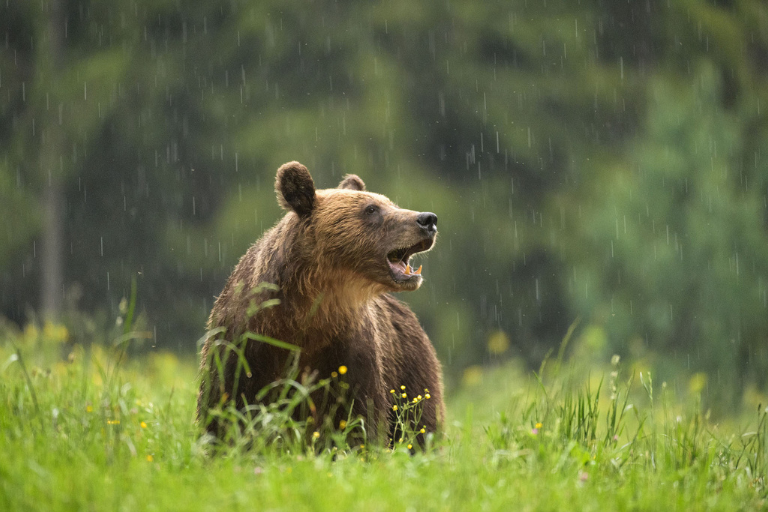
Romania’s iconic species—brown bears, lynx, wolves, sturgeon, and European bison—play crucial roles in healthy ecosystems. Our wellbeing depends directly on theirs. WWF works to protect these endangered species through conservation projects and advocacy. By safeguarding wildlife and their natural habitats, we preserve the balance that supports all life and ensures these species survive for generations to come.
FRESHWATER
Only 2.5% of Earth’s water is fresh, and billions depend on it daily. Rivers, lakes, and wetlands support countless species and human communities. Yet intensive agriculture, pollution, and climate change threaten these vital resources. Romania’s freshwater ecosystems face severe pressure. WWF protects and restores these ecosystems because healthy water systems are essential for a healthy environment and intrinsically, our wellbeing.
FOOD AND COMMUNITIES
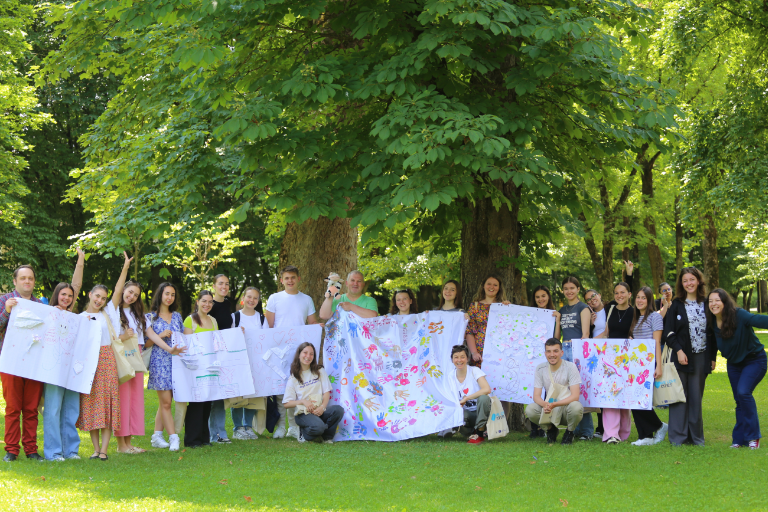
Pollinators are in decline, as are small farms and the connection between producers and consumers; opportunities for learning and civic engagement in communities are scarce. WWF is responding with initiatives for active citizenship and the transformation of the agri-food system: policy, advocacy, reviving local markets, education, and capacity building. Notable examples: two eco-destinations, green public food procurement, the WeWilder campus, and programs for youthandteachers.
CLIMATE ADAPTATION AND EQUITABLE ENERGY TRANSITION
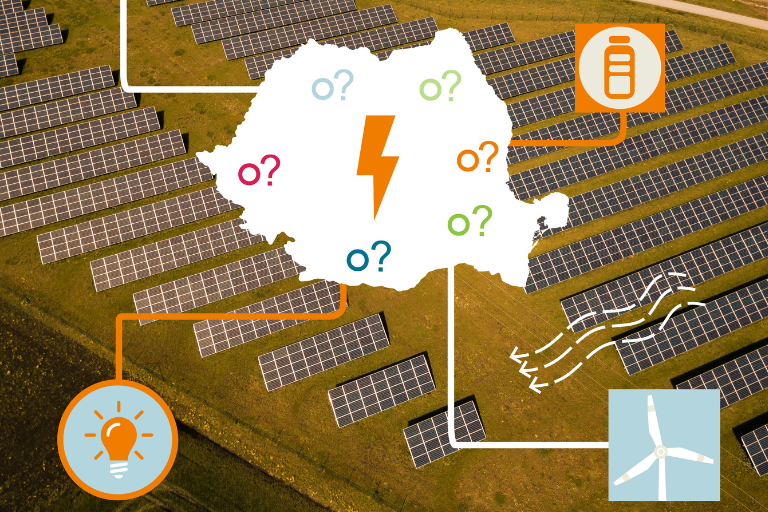
The climate crisis demands urgent action: renewable energy, zero-carbon emissions, and nature protection must go hand in hand. Energy transition without environmental safeguards risks irreparable biodiversity damage, especially harming vulnerable communities. WWF promotes sustainable energy practices and climate resilient solutions that protect nature while creating just, healthier futures.
How we act
We work by linking field experience with policy change, combining on the-ground restoration and species recovery with advocacy, research and long-term planning. We also bring together authorities, experts, communities, civil society, businesses and educators to build solutions that are credible, inclusive and lasting.
Across all themes, our approach is to turn evidence into action: restore ecosystems, improve governance, strengthen responsible markets, support local leadership and help people take part in shaping the future of nature in Romania.
Wecontributetoimprovinglegislation, management plans for protectedareas, and local governancesystems
community engagement
Wehaveintroducedsustainabilityintoyoungpeople’svocabulary, contributedtotheprotection of pollinators, andsupportedthe local economybased on natureandtraditions
just transition
We collaborate with rural areas and cities to provide support for a just energy transition and climate adaptation, and to reconnect food producers with consumers
nature's future starts with you
JOIN US TO PLAY AN ACTIVE ROLE IN SHAPING THE FUTURE OF NATURE IN ROMANIA.
The Panda family that makes it all possible
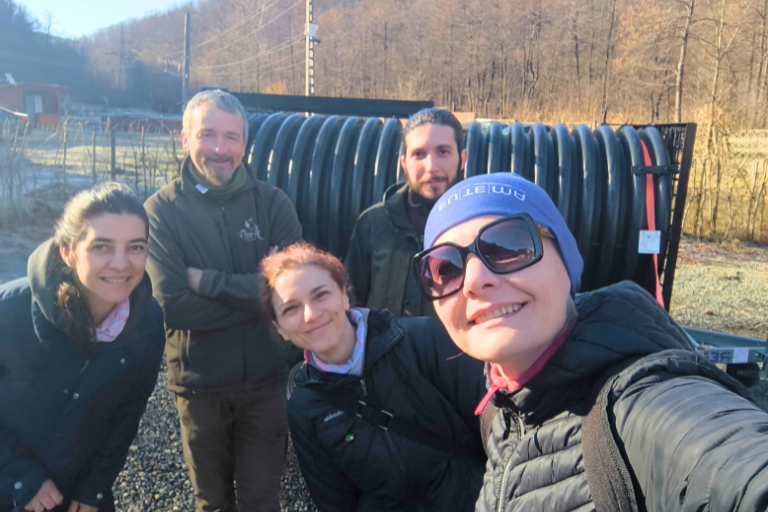
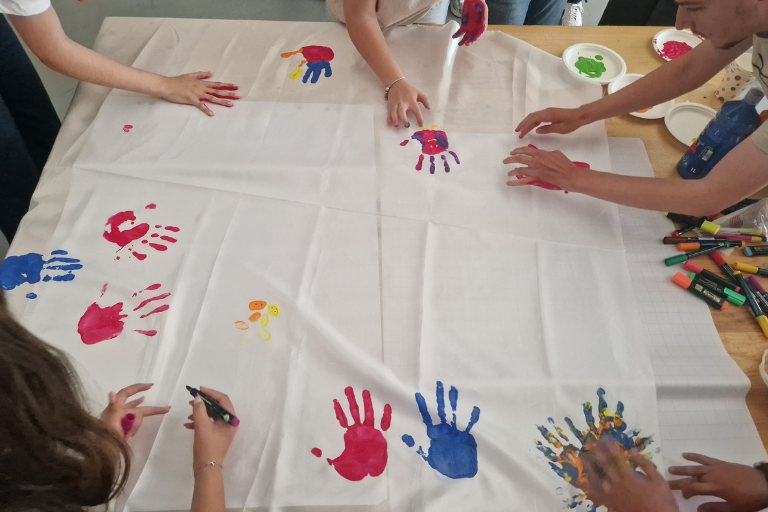
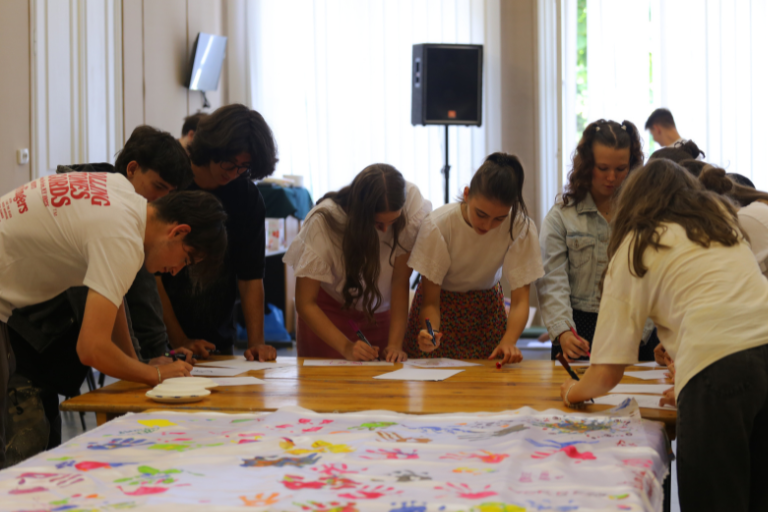
Behind every achievement there are people, places and stories
...the next 20 years matter even more, so be a part of what comes next!
First steps into the wild
Eyes on nature
Sturgeons return to our rivers
The giants that maintain a delicate balance in nature
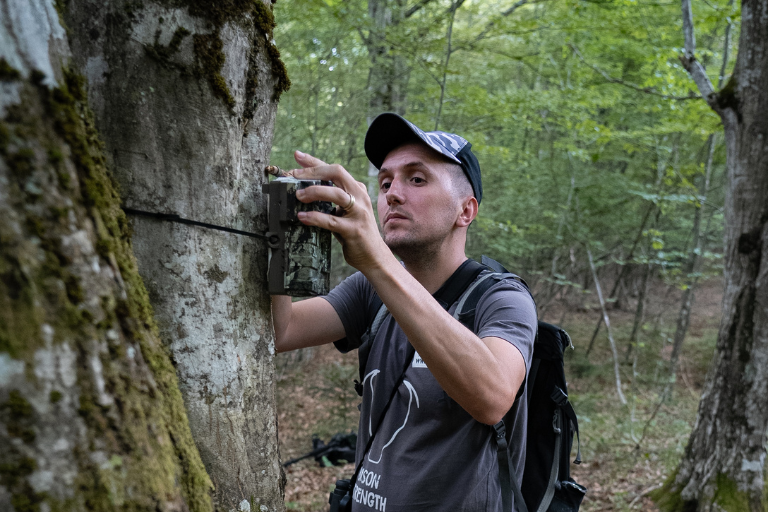
The people who care about wildlife
The future is in our hands
Young energy at work
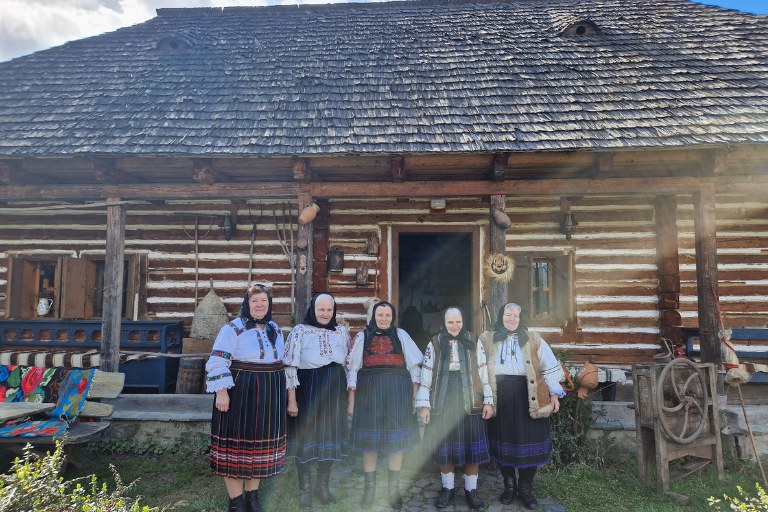
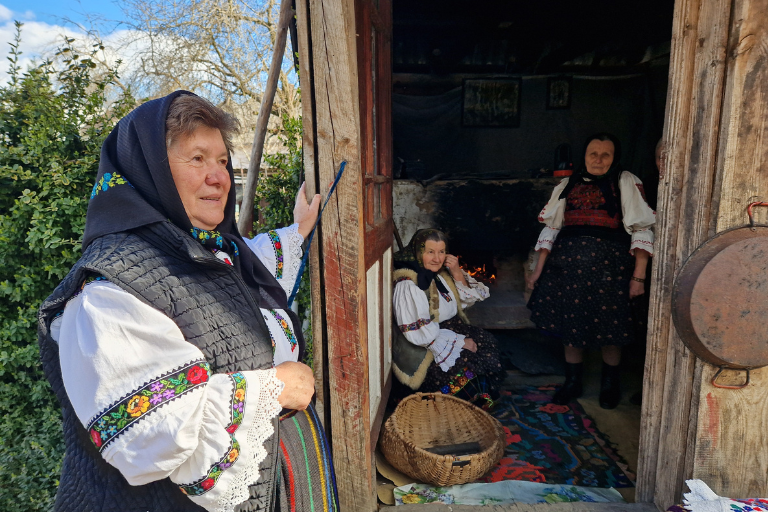
Traditions that maintain nature at heart
Policy work for a sustainable future
Together possible
Energy solutions for all
Respecting our roots
Scroll to Top
Alătură-te comunității WWF-România și descoperă poveștile care au definit 20 de ani de grijă pentru natură. Îți scriem ocazional, doar atunci când avem ceva important de împărtășit.
Câmpurile marcate cu steluță (*) sunt obligatorii.