Communities and food

20 years of collaborative work in Romania

Lasting conservation is built where people, nature, and local economies truly work together

Orieta Hulea

CEO WWF-Romania

20 years in a nutshell

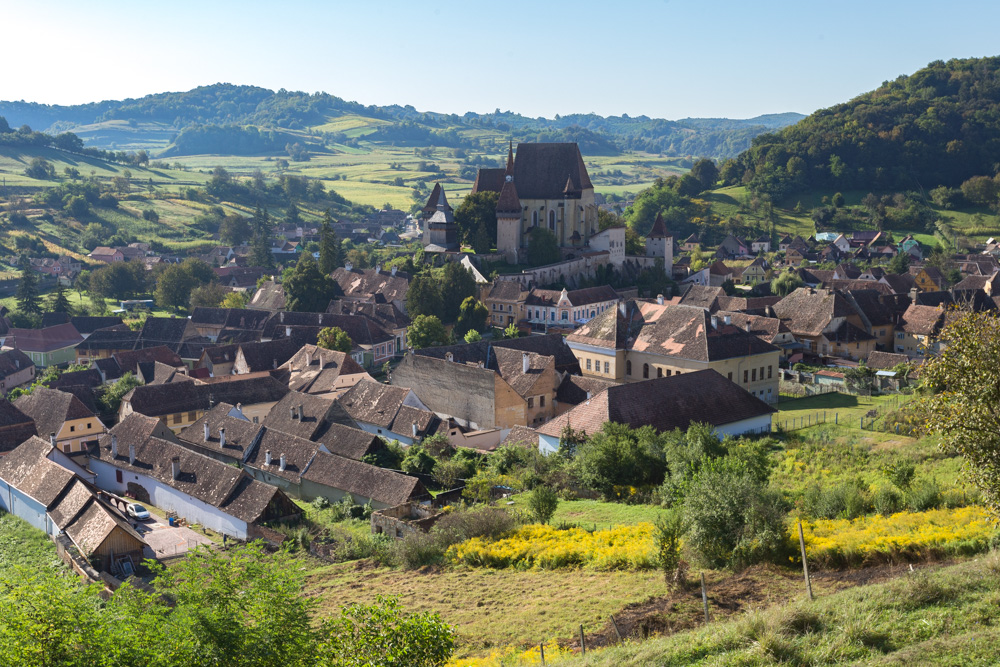
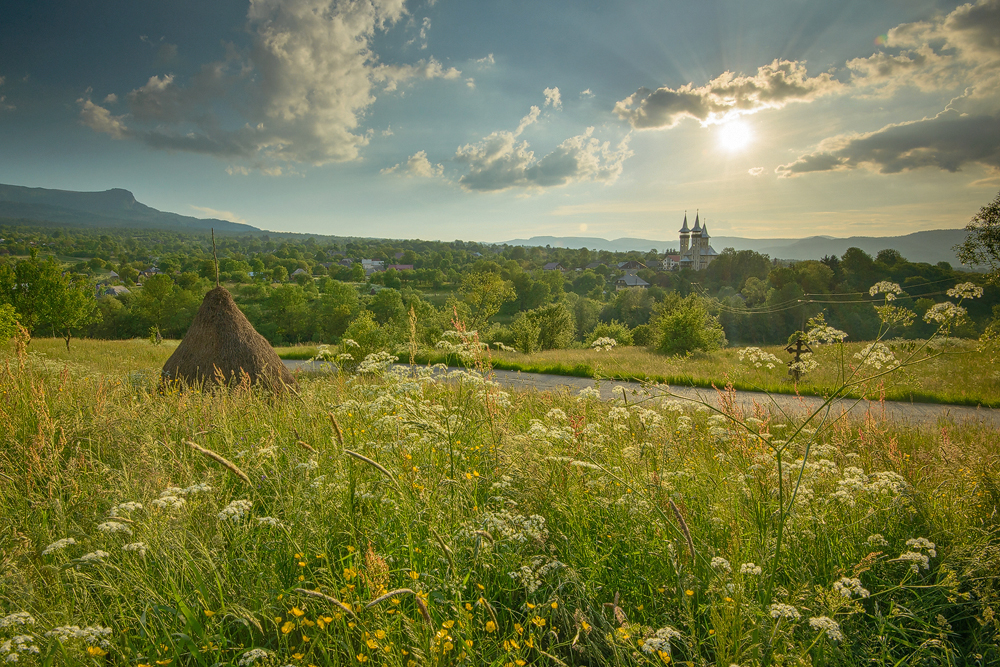
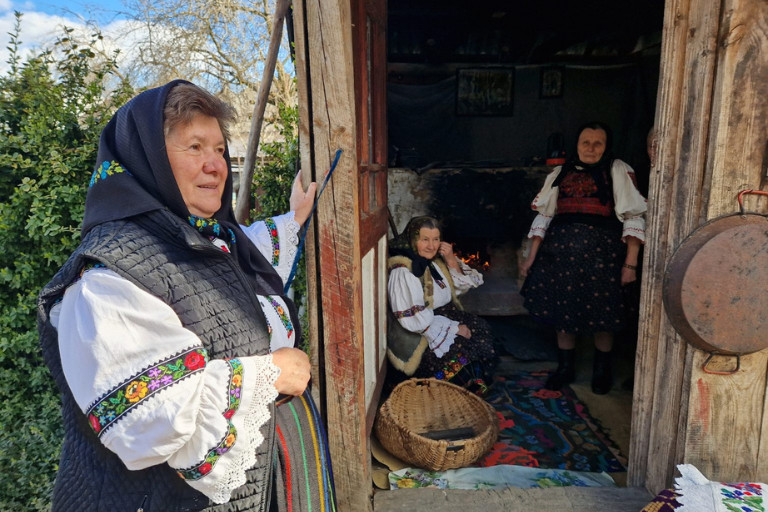
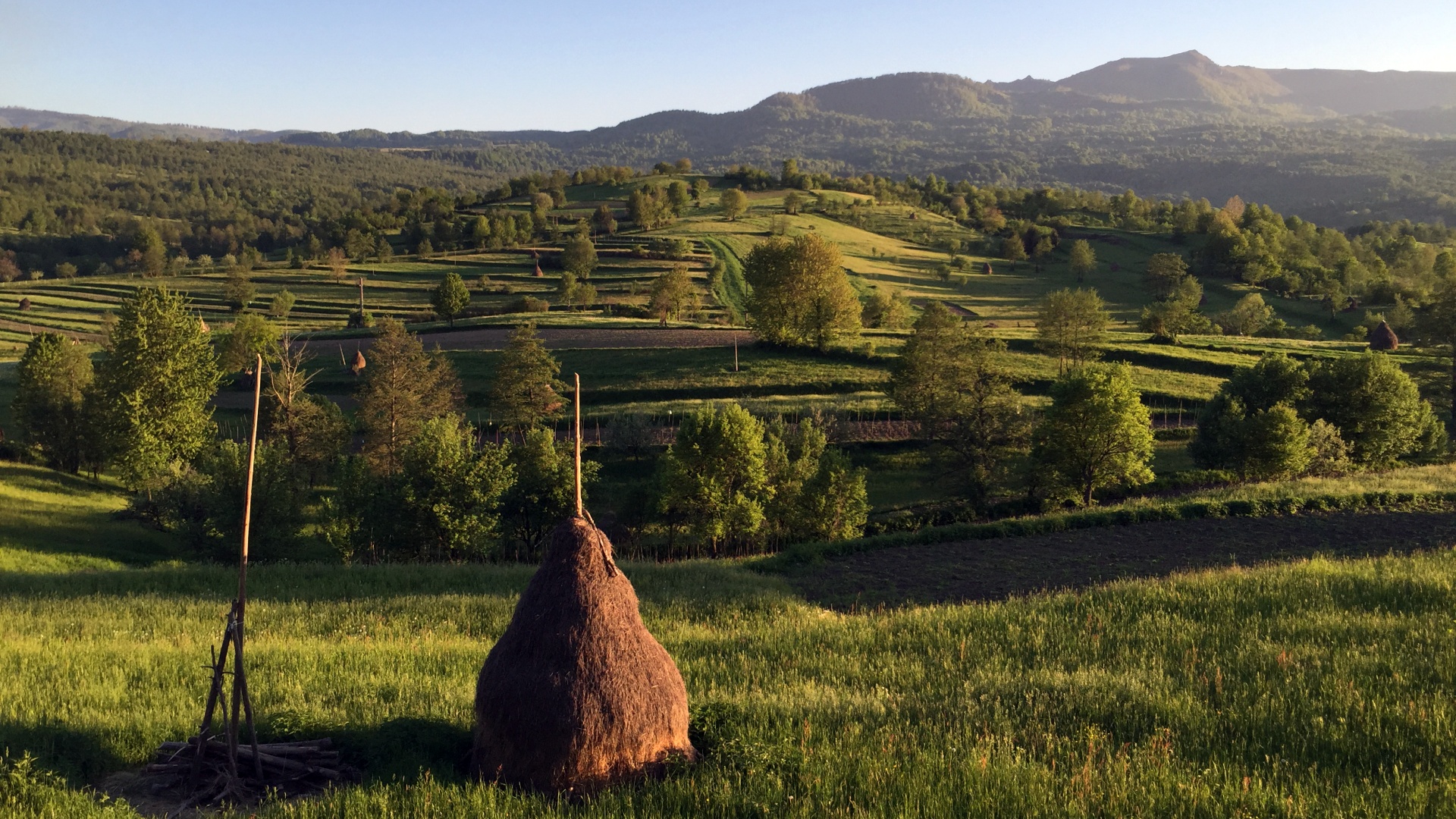
Romania’s rural and urban communities are deeply connected to nature through the way food is produced, distributed, and consumed, but also through traditions, education, and everyday practices that shape how people use and value natural resources and landscapes. 

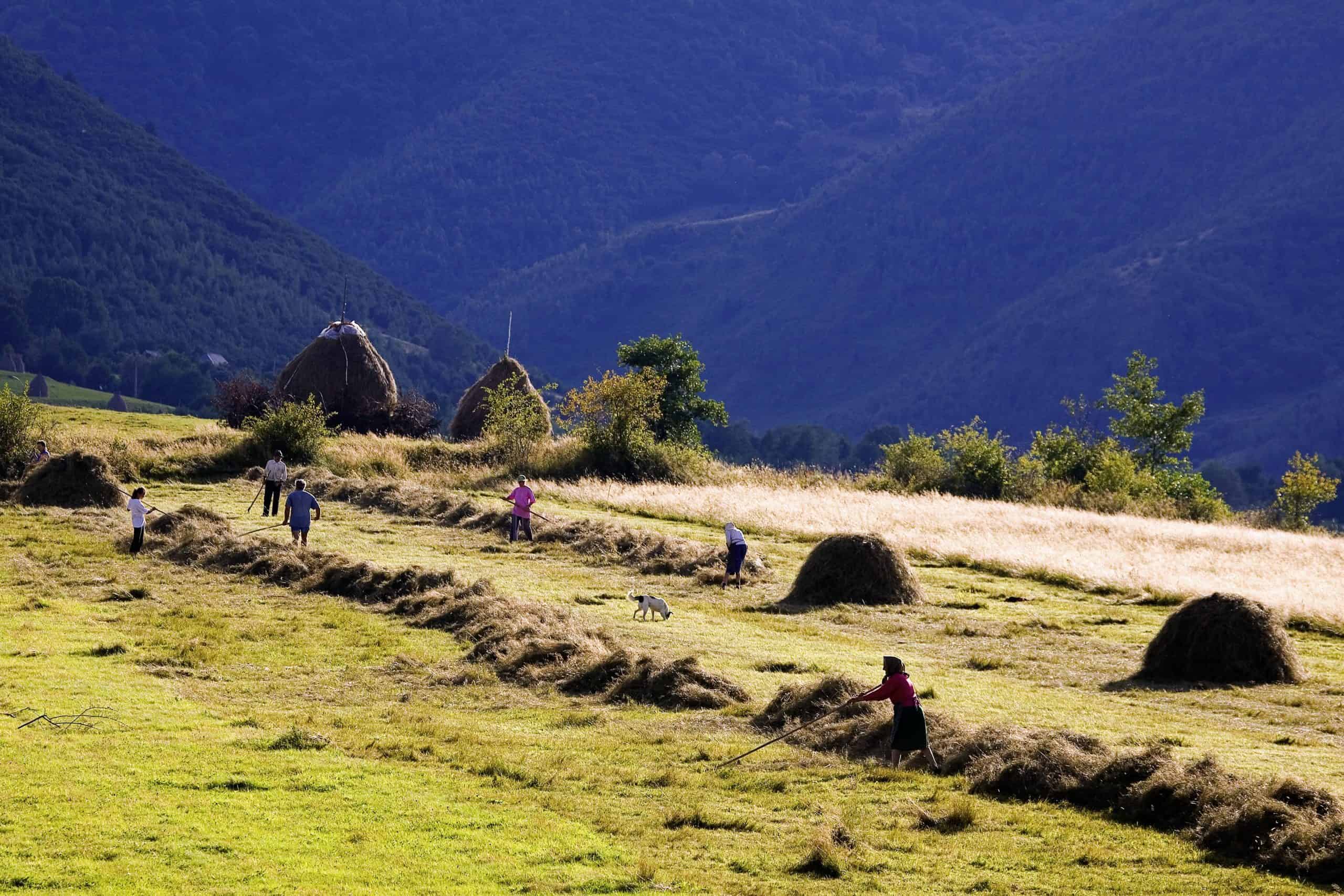
Over the past two decades, Romania has faced persistent gaps in this area: food procurement systems driven by the lowest price, limited links between public institutions and local producers, insufficient environmental education, weak support for small rural entrepreneurs, shrinkage of access to market for small and local producers and a similar shrinkage of access to local and sustainable products for consumers, declining pollinator populations due to the intensification of farming practices and the loss of small and traditional farms, and inadequate mechanisms for rewarding communities and producers that maintain healthy landscapes with High Nature Value.

WWF-Romania has worked to identify the natural values and community practices that gave rise to a lifestyle in harmony with nature and to build together with local communities opportunities and frameworks in which they can be capitalised on in the modern era, taking into account political and economic pressures and threats, as well as unaddressed needs at the local level – all of which are capable of eroding natural heritage, social cohesion and civic engagement.

The common thread is simple: conservation becomes stronger when people understand its value, benefit from it fairly, and are motivated and empowered to act.

OUR ROLE

WWF-Romania has acted as a bridge between nature conservation and the systems that shape everyday life: food, education, local economies, and civic participation.

WWF contributes by:

MAJOR ACHIEVEMENTS

A few numbers

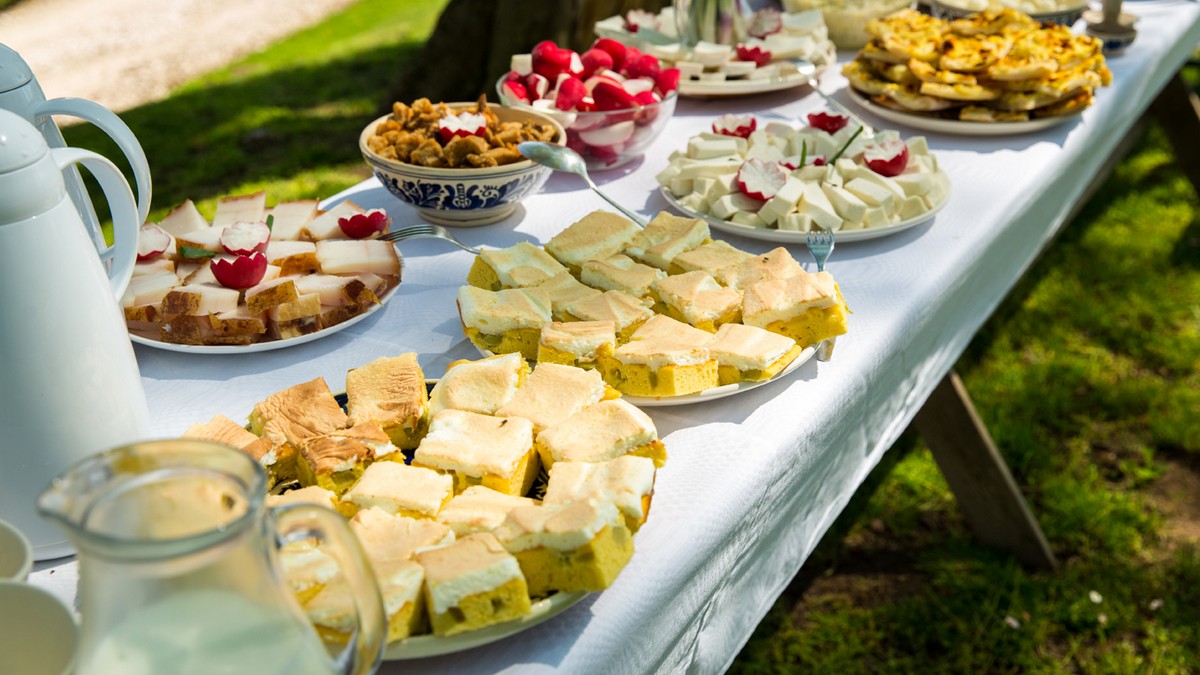
Brașov was the first city in Romania to take over the School Program from the County Council and introduce quality-price criteria for food procurement. The criteria included: 

  • at least 10% certified organic products, 
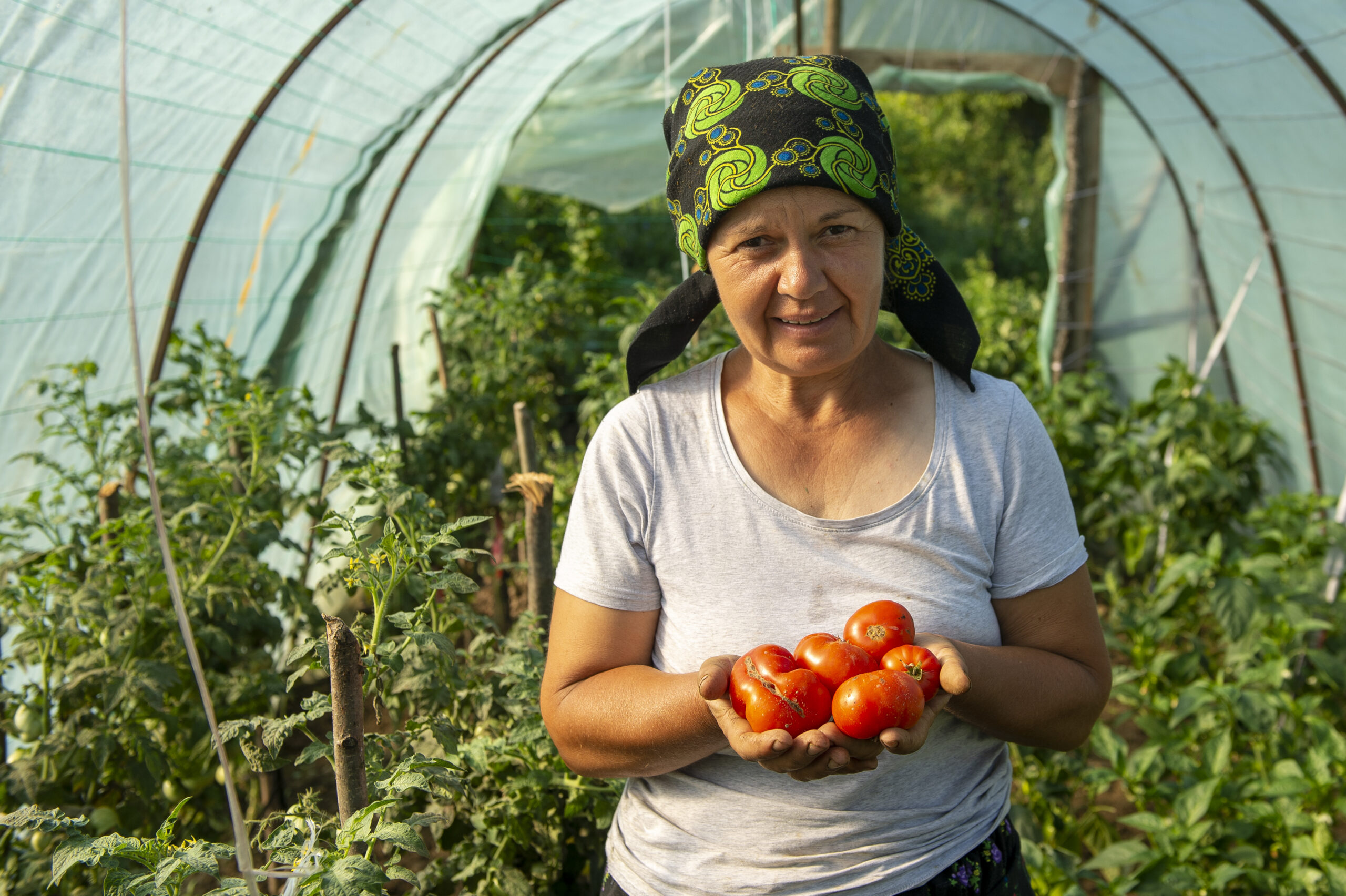
  • at least 30% of products from local producers, farmers, cooperatives, or associations, 
  • at least 10% of products supplied through short distribution chains.

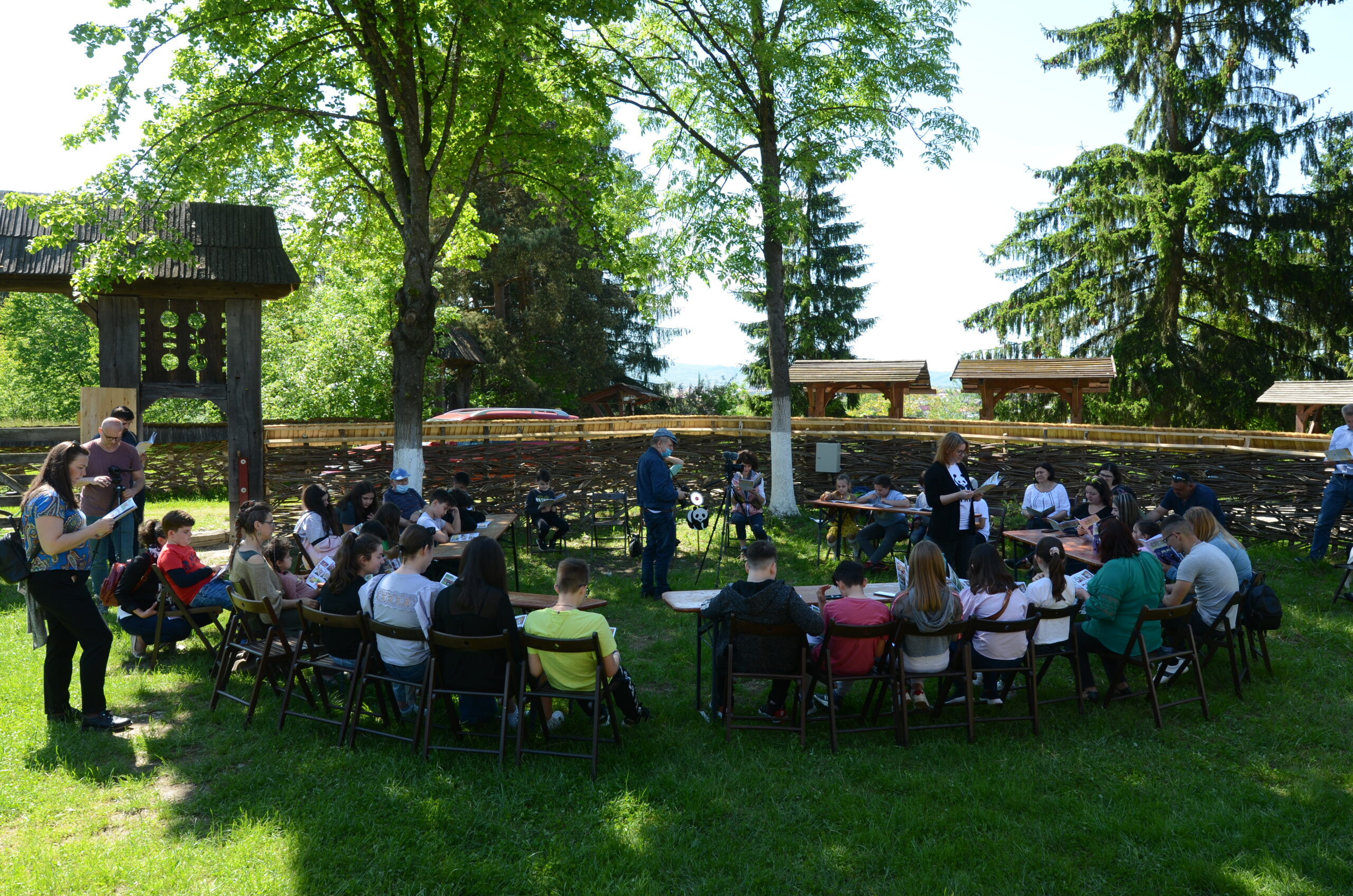
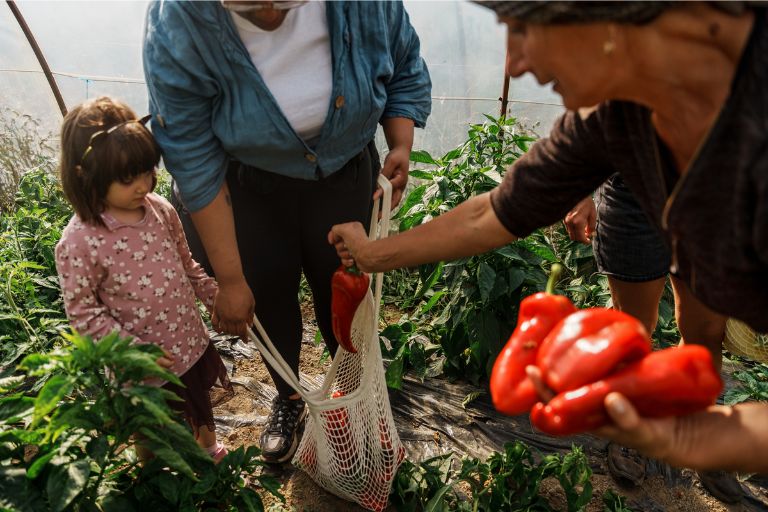
Then Brașov also introduced educational measures linked to food awareness, a first such example. Children from public and accredited private schools and kindergartens were invited to visit the farms supplying food through the School Programme.

The city became a successful pilot case generating changes at national level, as the the Ministry of Agriculture adopted the quality-price ratio in the standard documentation for the School Programme and introduced quality criteria related to food certification schemes and supply chains. This change has a potential impact on more than 1.9 million beneficiaries every school year.

>1.900.000

children can now benefit from foods selected on quality criteria every school year

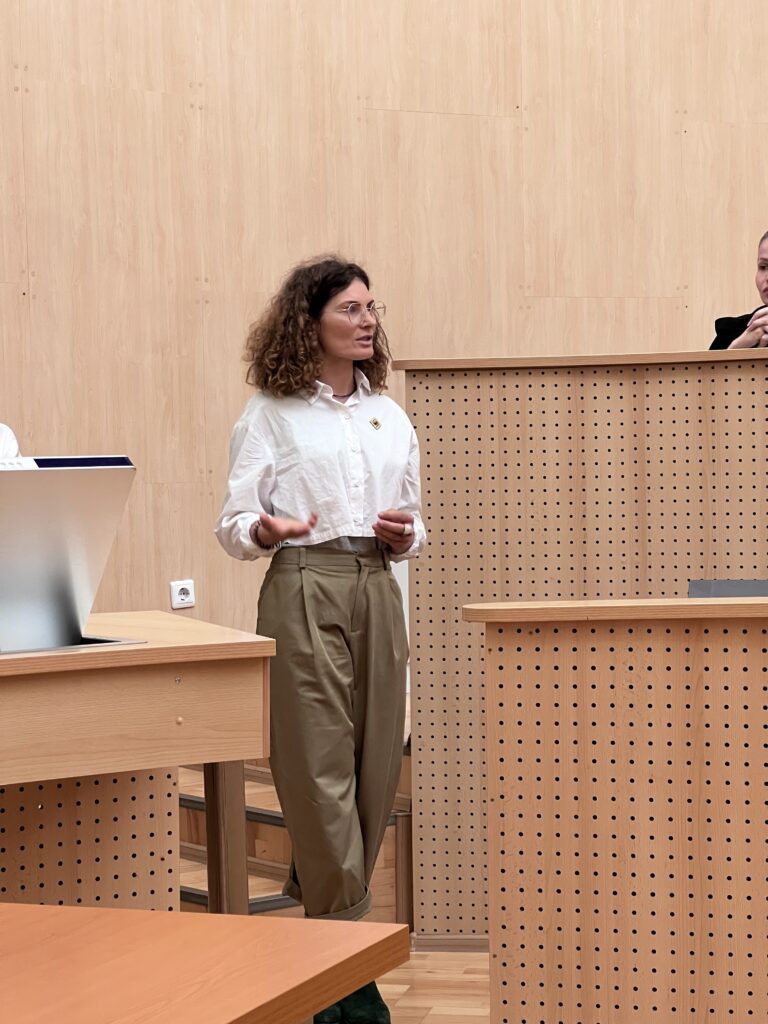
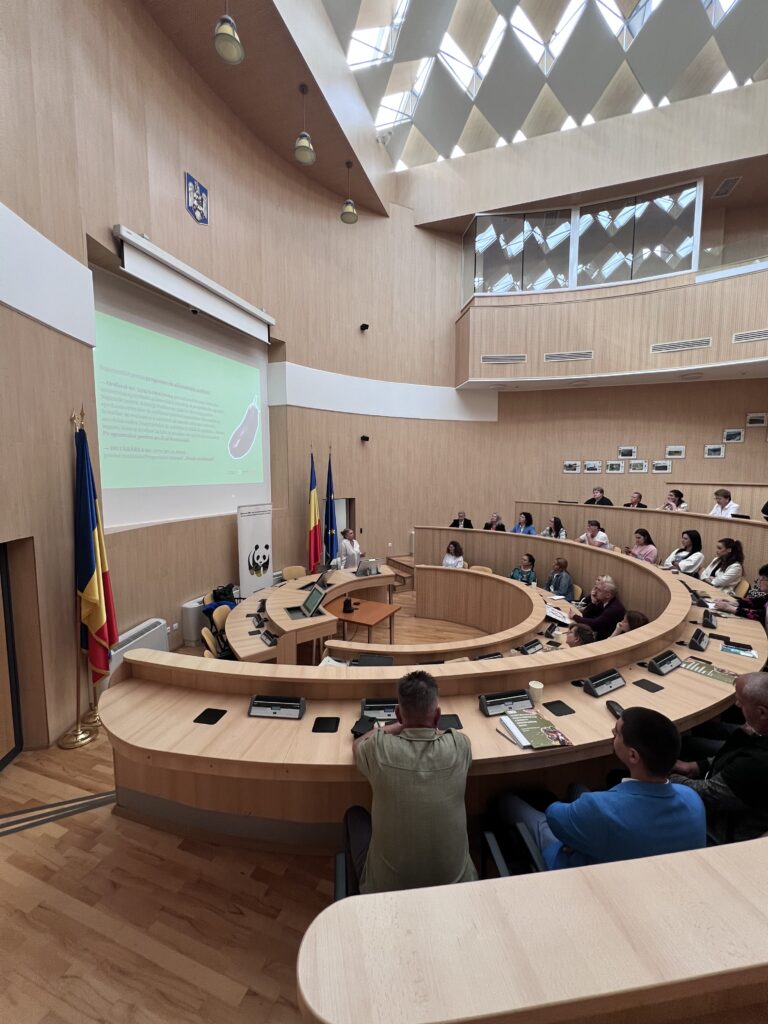
Curs achizitii verzi producatori_Sibiu. (c) Mara Cazacu/WWF-Romania

>200

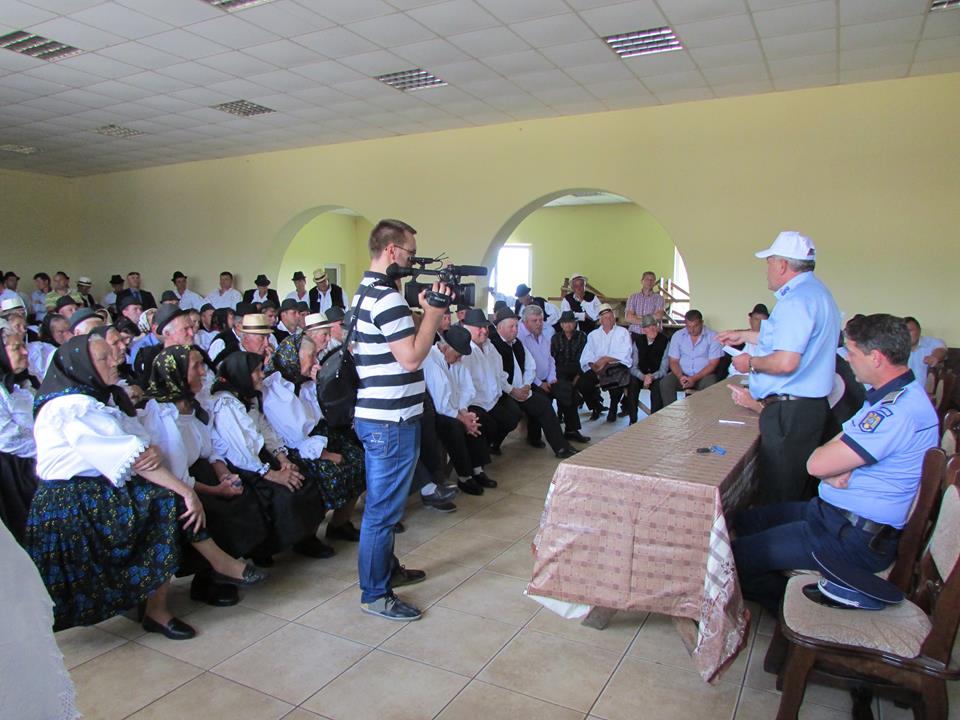
PUBLIC SERVANTS AND LOCAL PRODUCERS TRAINED IN USING GREEN CRITERIA IN FOOD PROCUREMENT AND IN PARTICIPATING IN THE PUBLIC PROCUREMENT SYSTEM RESPECTIVELY

Curs achizitii verzi producatori locali_Sibiu. (c) Mara Cazacu/WWF-Romania

Two ecotourism destinations

EcoMaramureș and Transylvanian Highlands

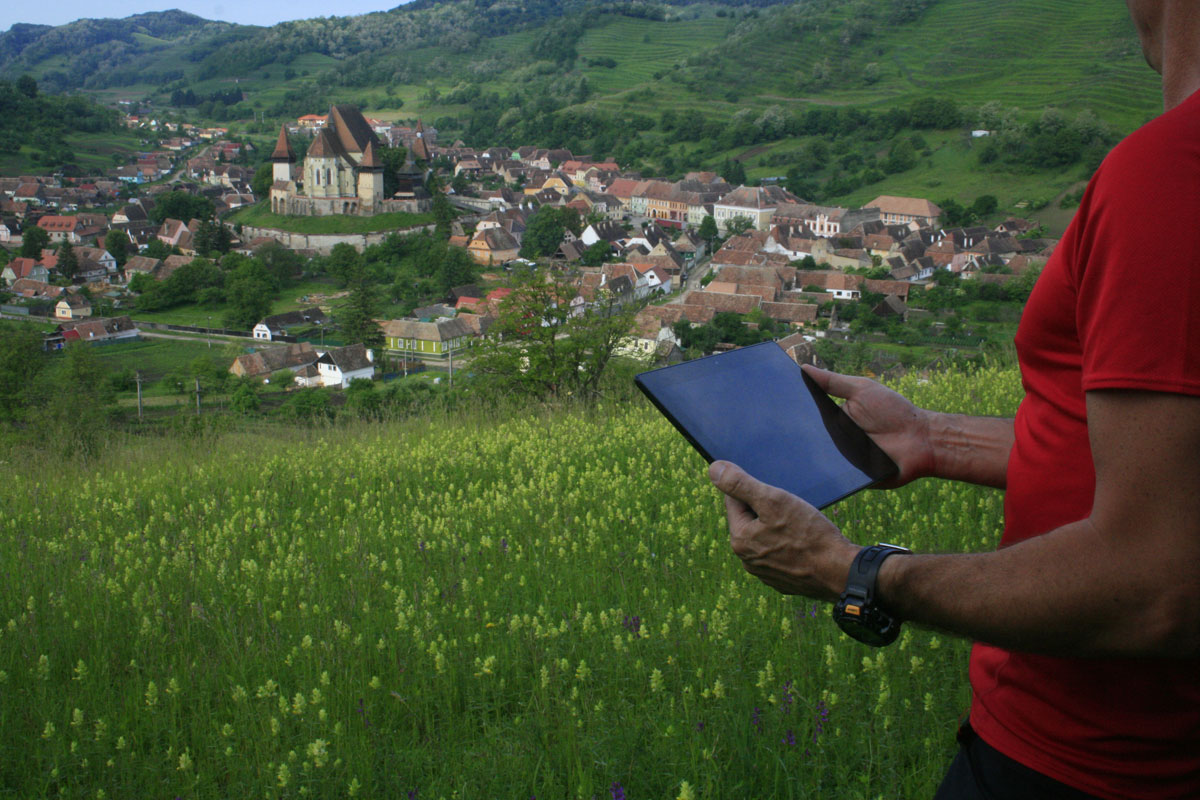
WWF supported and co-developed with local actors two national ecotourism destinations – EcoMaramureș and Transylvanian Highlands – which were officially designated in 2014 and 2022. This work included:


  • Over 500 km of biking and walking trails
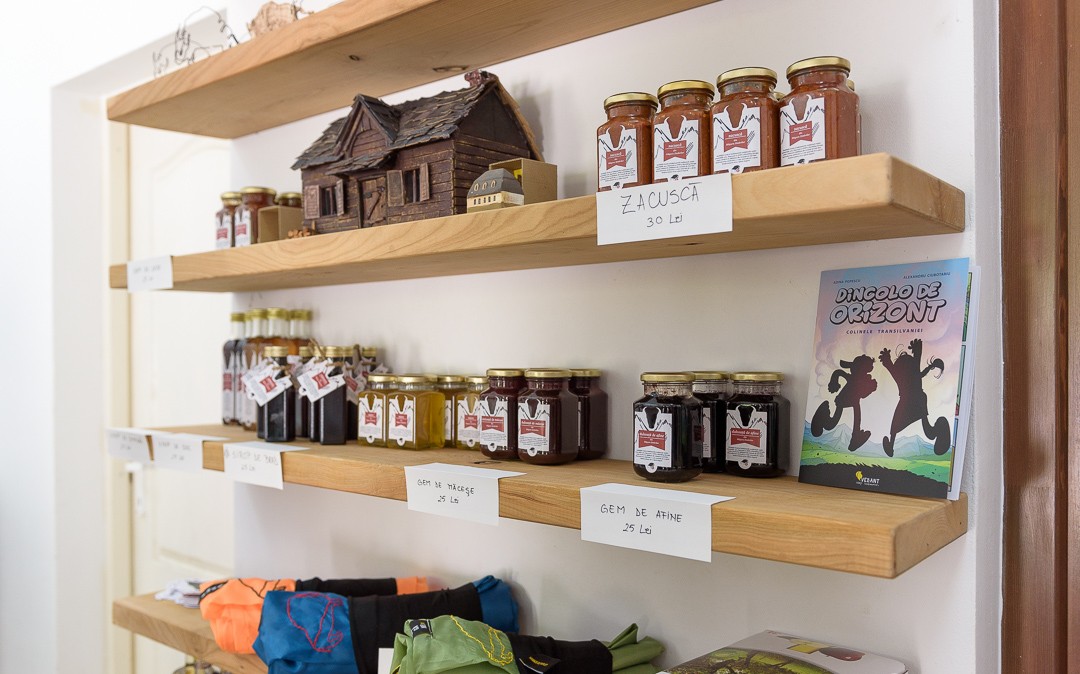
  • A growing local ecotourism network (80+ members) in Transylvanian Highlands, supporting services, products, and experiences rooted in nature and culture
  • Registration of the Colinele Transilvaniei brand and contribution to the establishment of a local association to manage the destination and its standards
  • Certifying local guesthouses in ecotourism, in EcoMaramureș
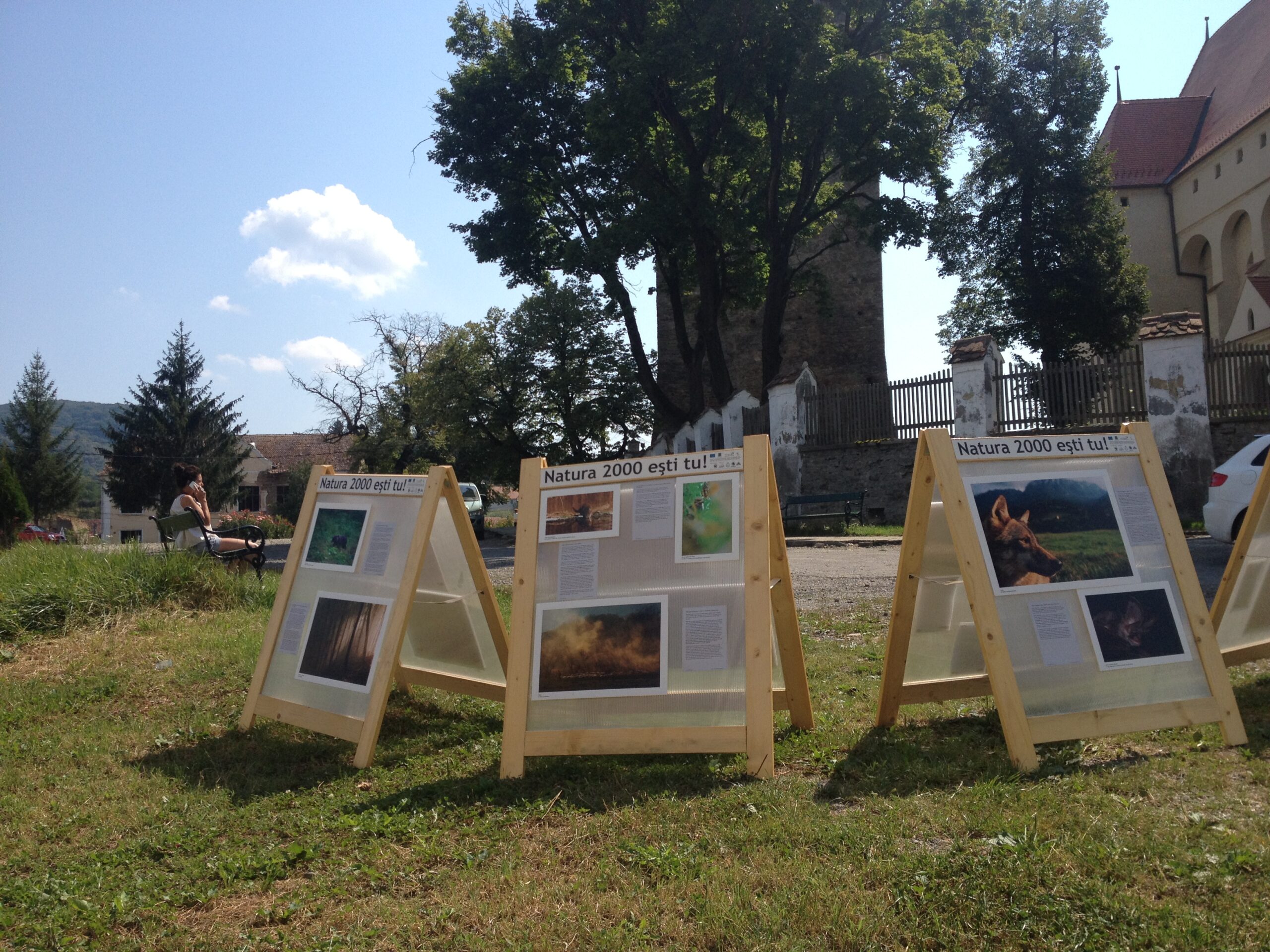
  • Communications materials which highlight the natural and cultural heritage of the two areas, educational kits and programmes which engaged over 300 teachers 
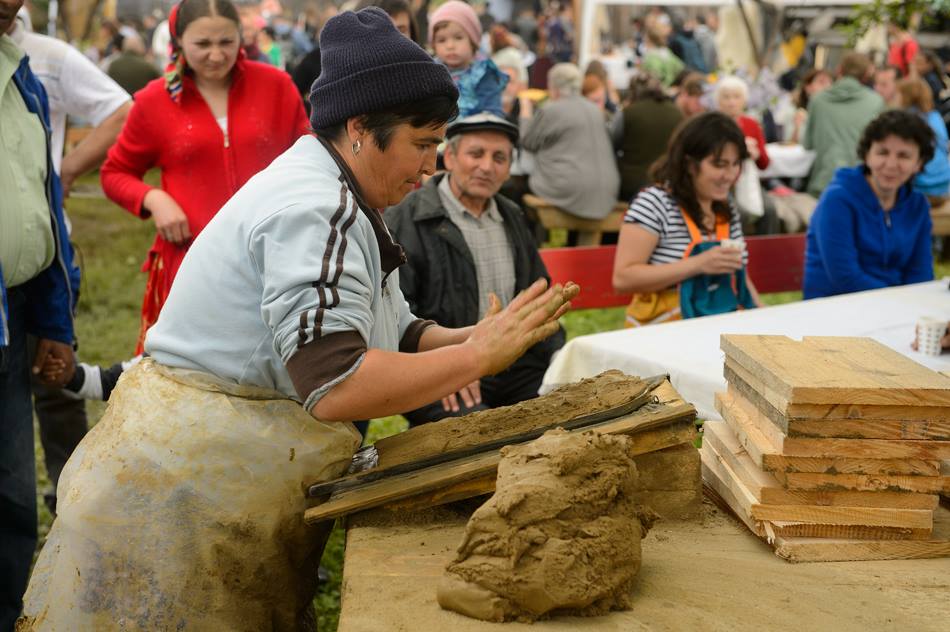
  • Business plans and capacity building for local entrepreneurs in craftsmanship 
  • Cincșor visitor centre
  • A pilot scheme and registered trademark to certify High Nature Value foods
  • Certifying local forest operators in the FSC system 

„TARA” LANDSCAPE OBSERVATORY

WEWILDER CAMPUS

GUGULANDIA ARMENIȘ COOPERATIVE

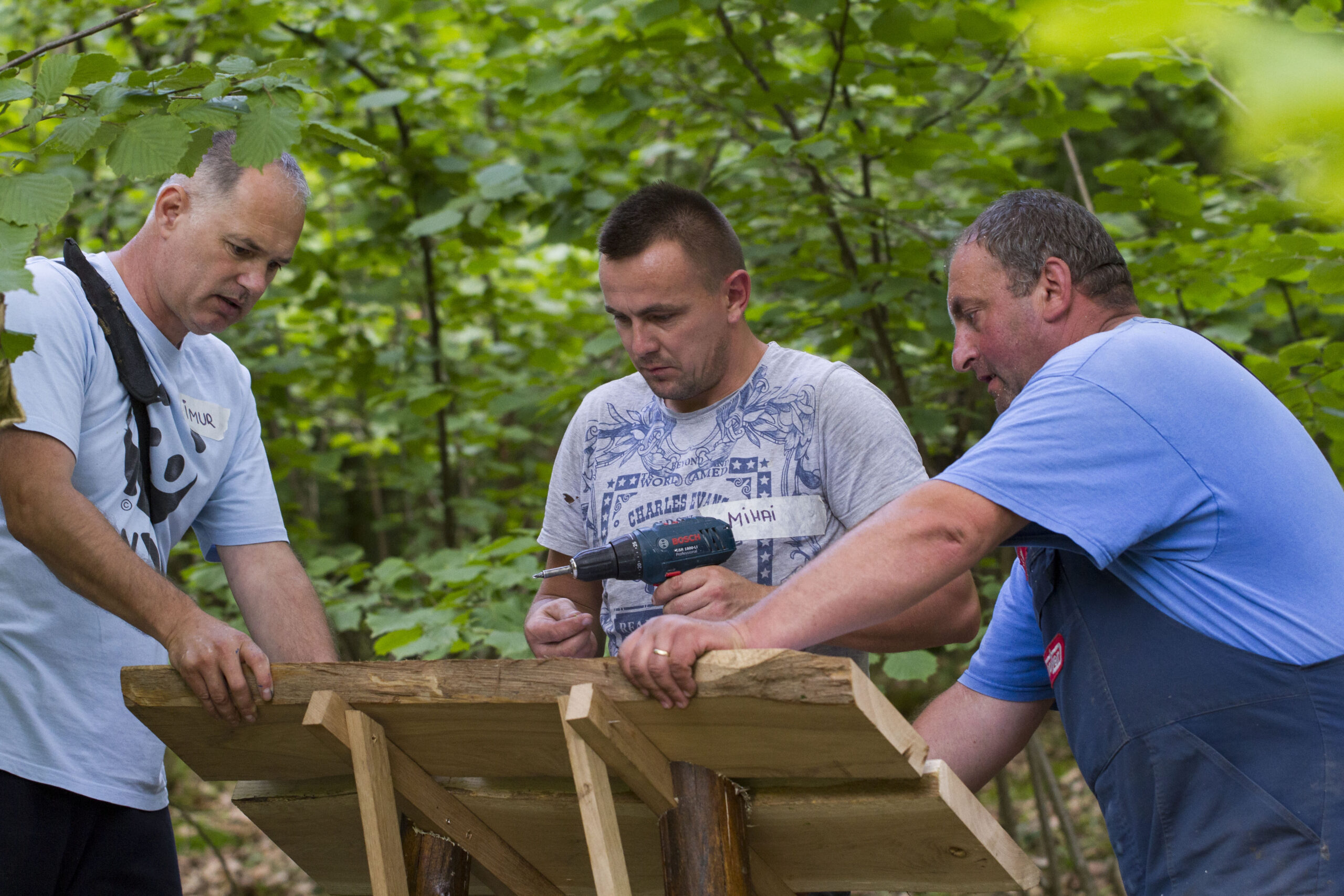
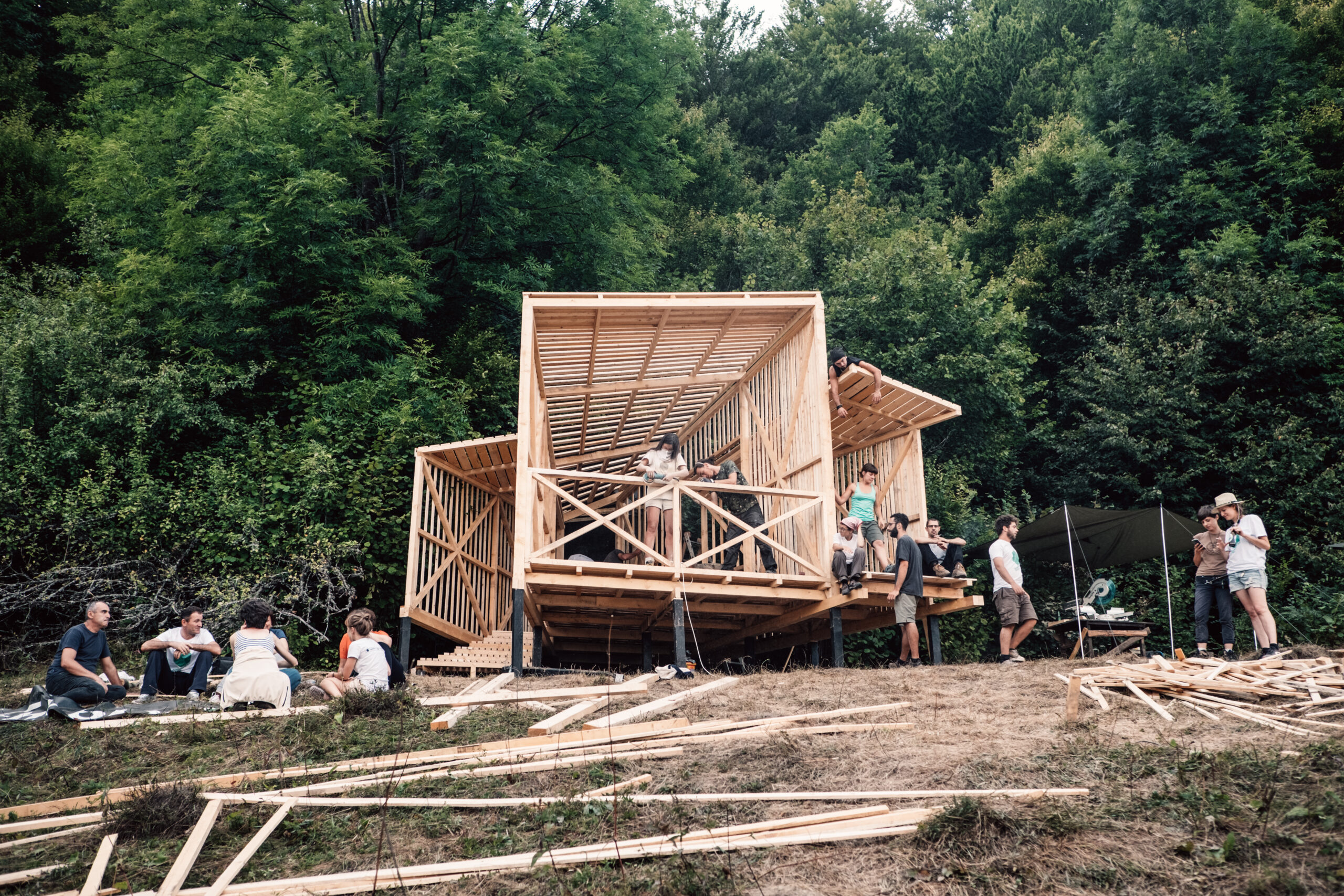
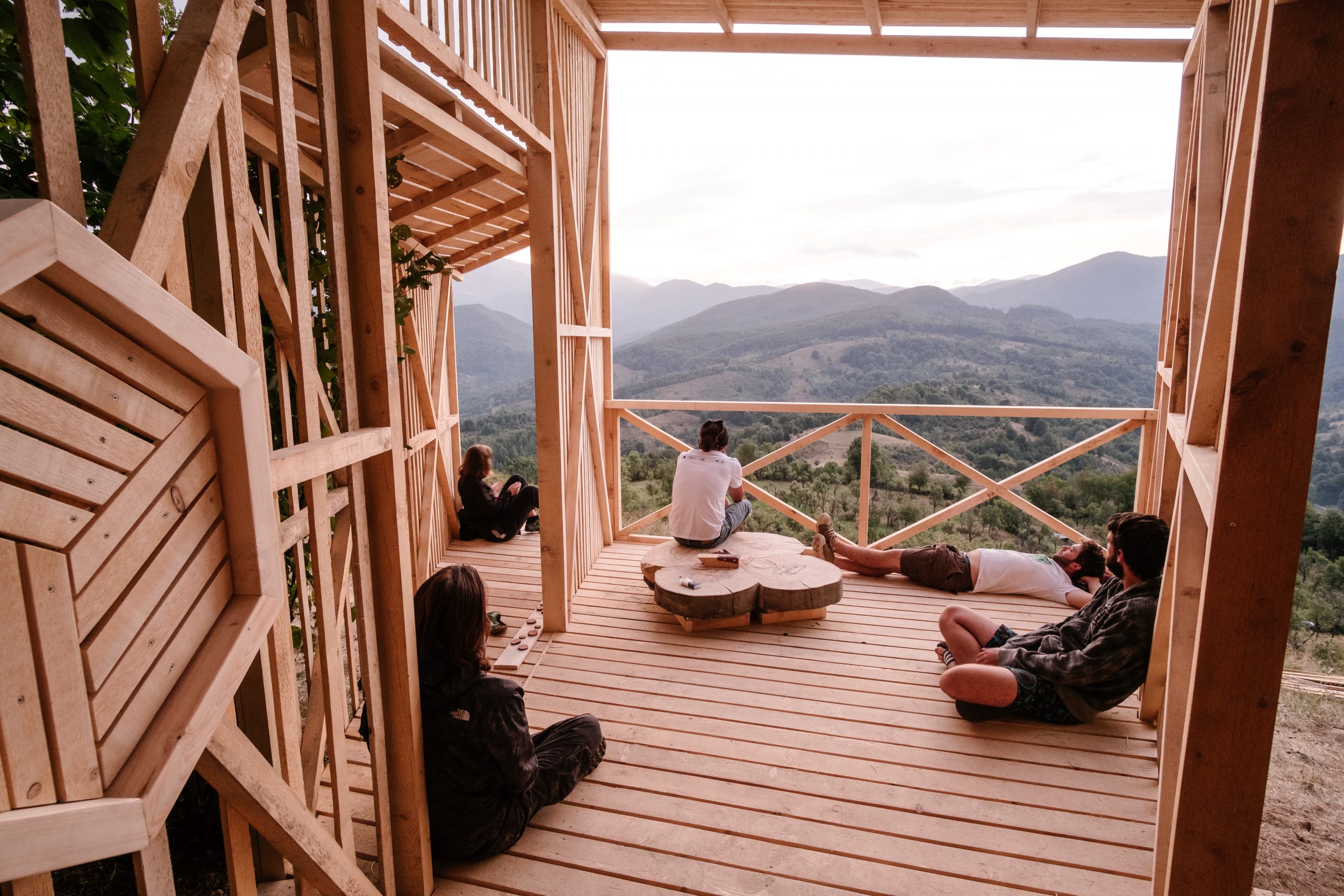
The “Tara” Landscape and Wildlife Observatory, built through a design & build camp with Camposaz, is a fundamental pillar in the local ecotourism development strategy in the Țarcu Mountains.


It has been successfully integrated into the local trail network, becoming a major point of interest, and the success of this prototype has provided the expertise and confidence needed to develop more complex projects, such as the MuMA Hut and the entire WeWilder Campus.


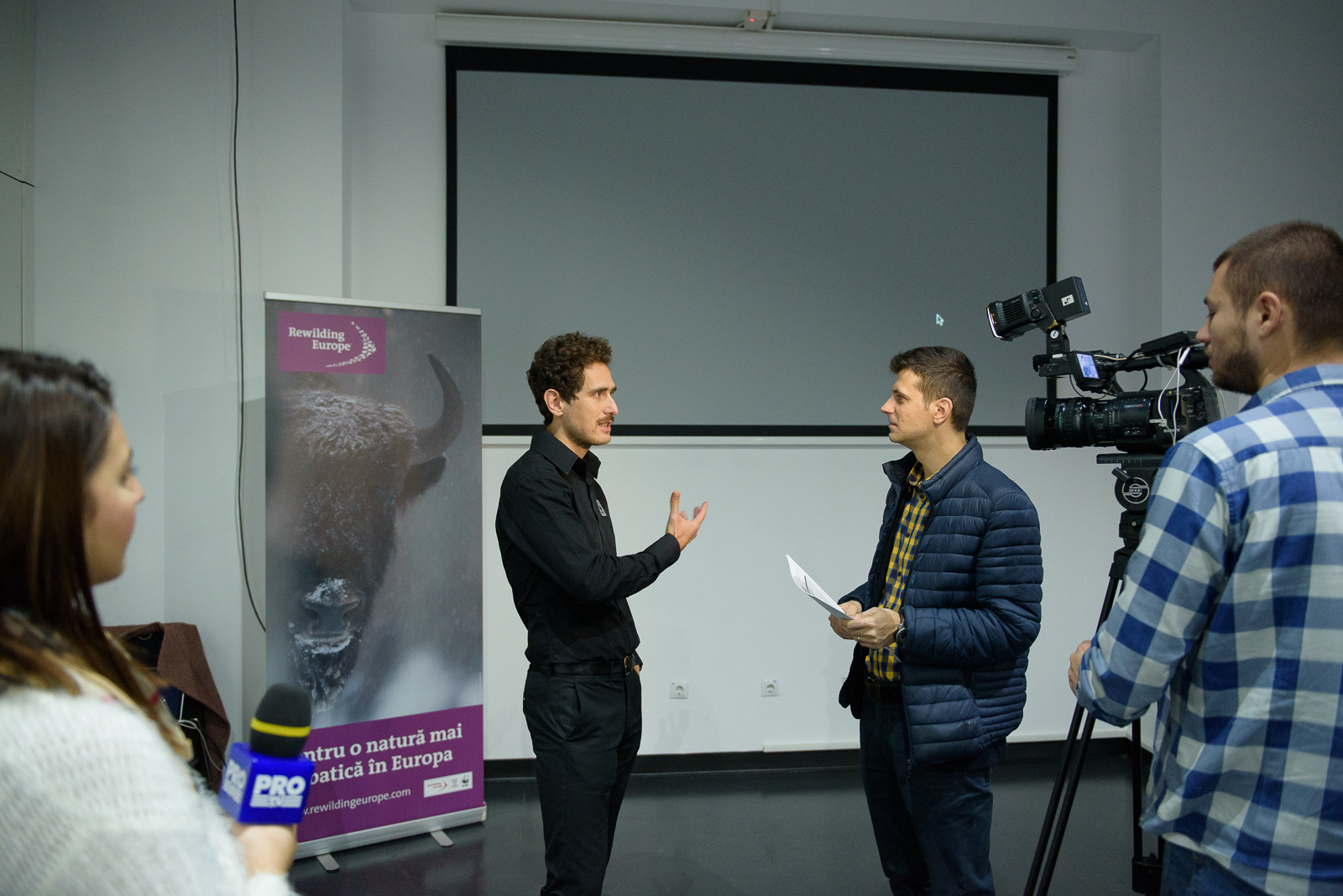
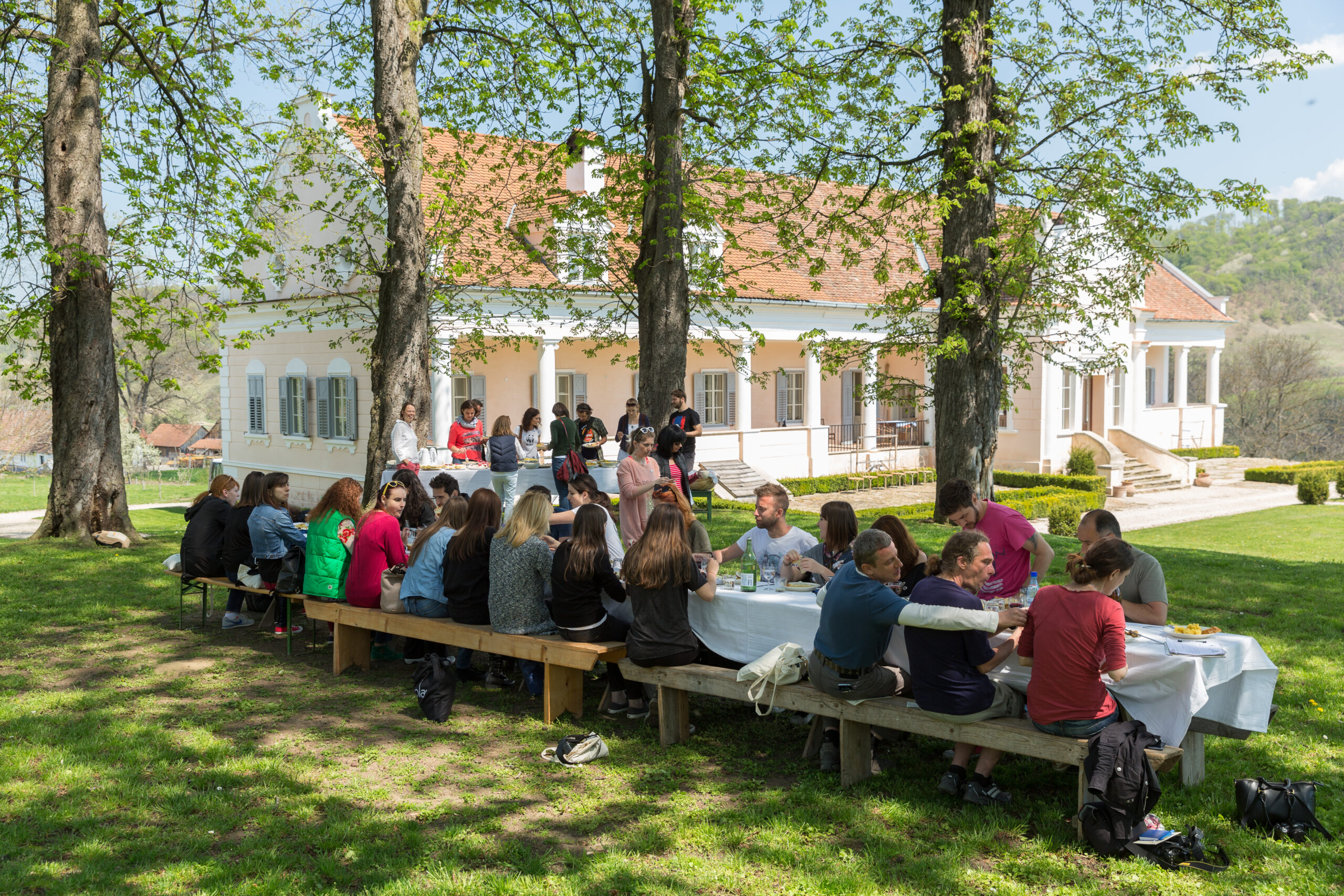
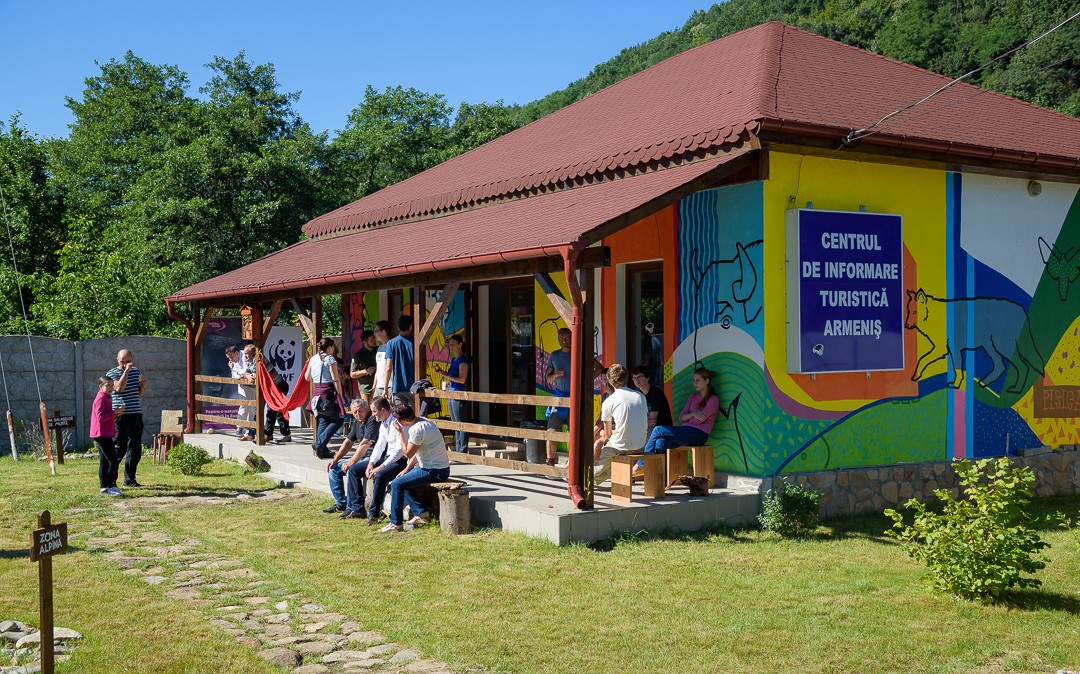
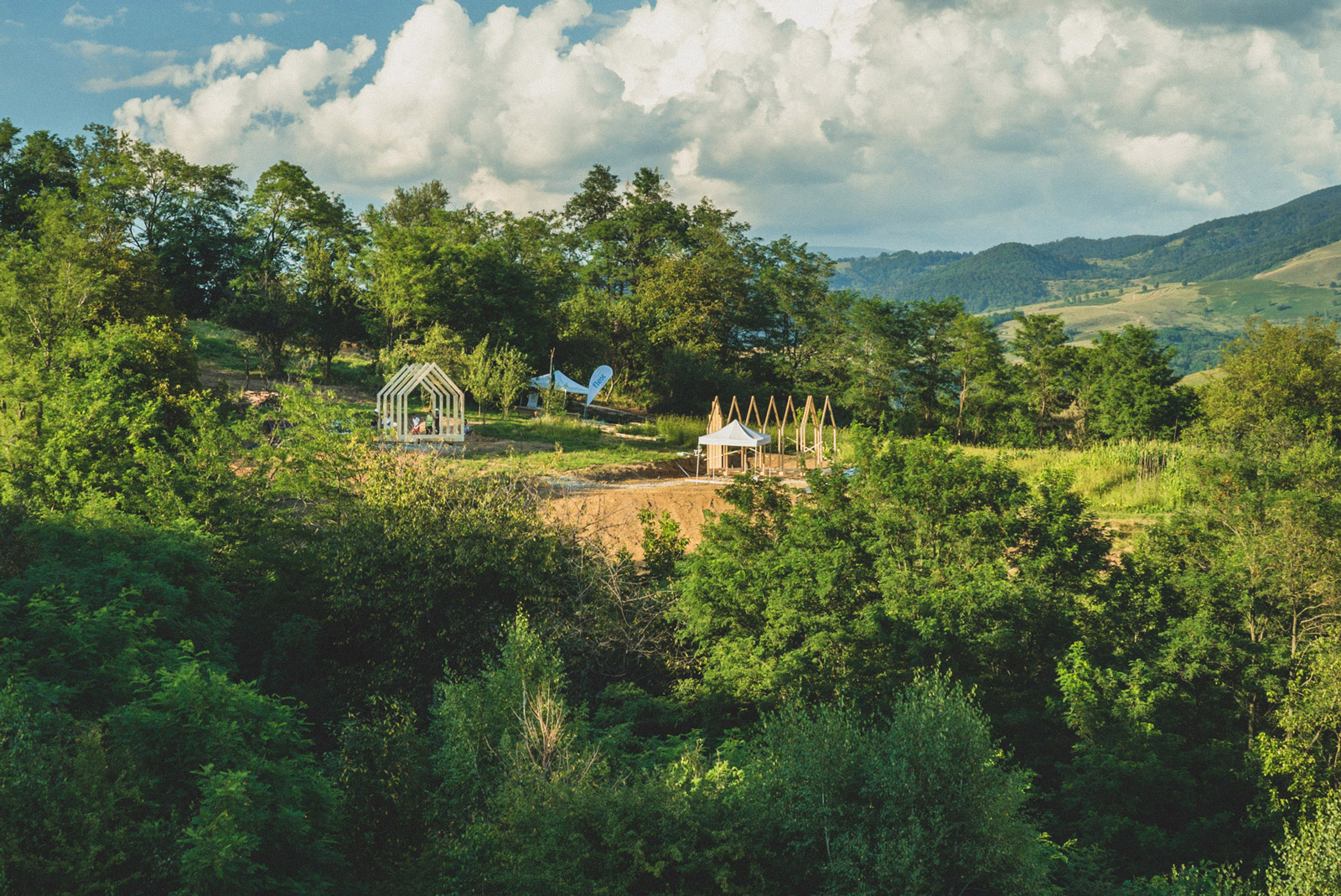
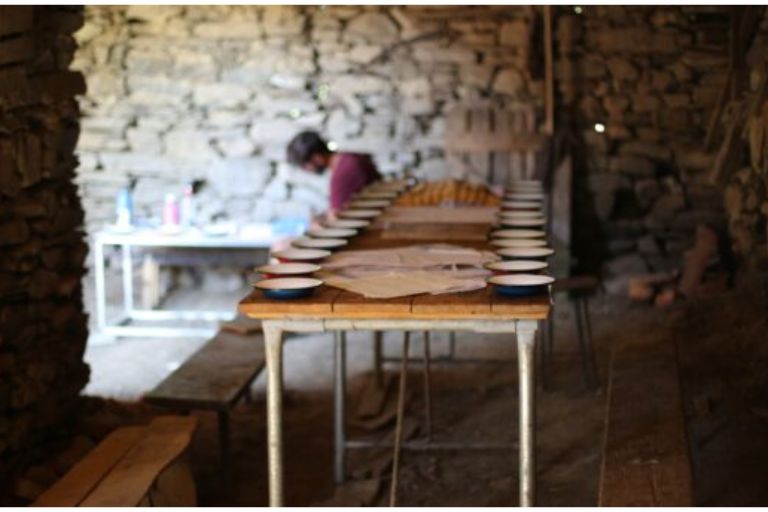
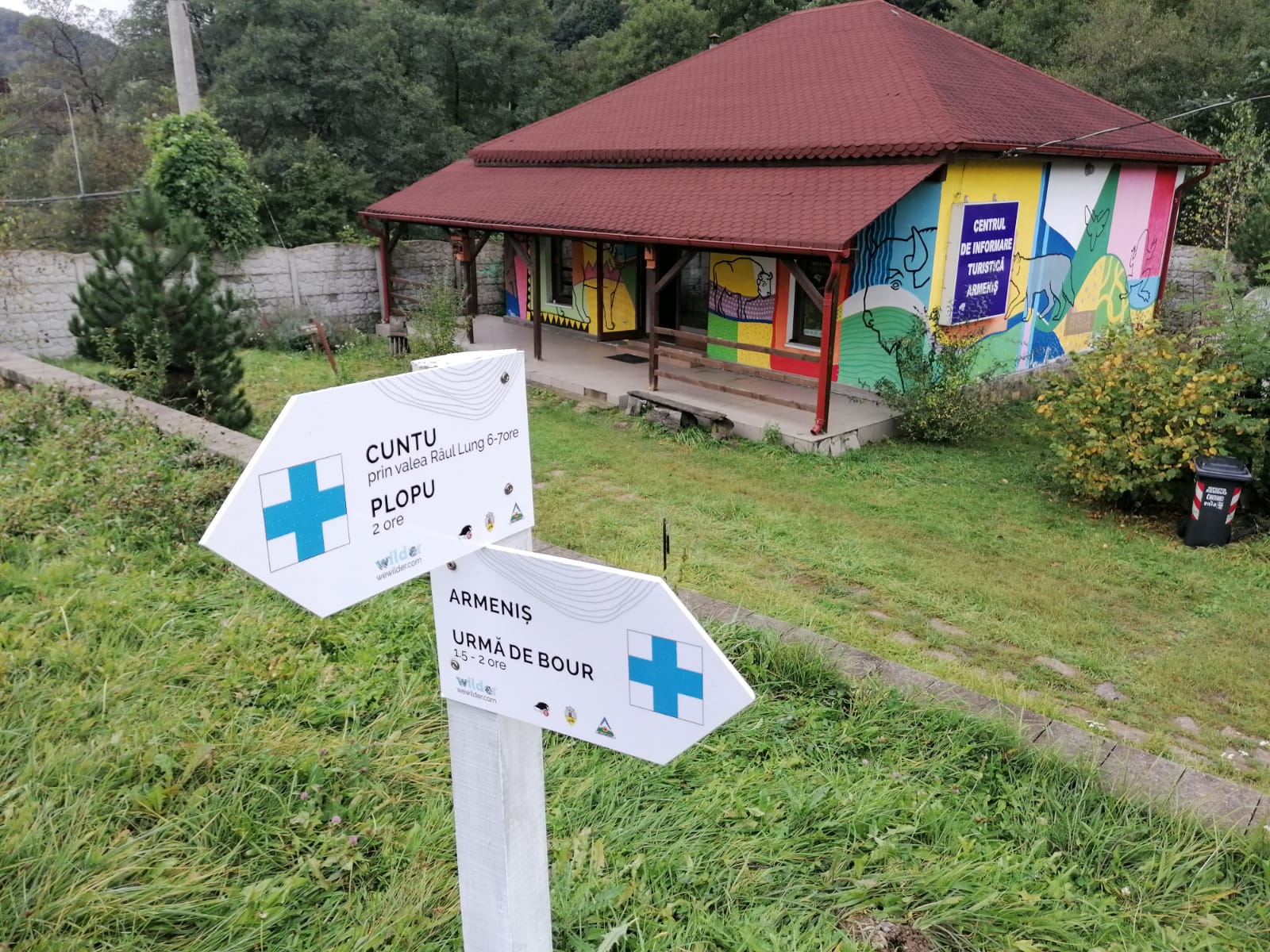
WeWilder is a “mothership” for the creation of an “eco-economy” in Armeniș, with bison as the headliner. The campus is the starting point for guests in programmes of knowledge and exploration of wildlife, following the footsteps of free bison, in the mosaic agricultural landscape where we carry out learning experiences alongside locals. It is also a community hub for the incubation of local initiatives – trainings, experience exchanges, consultations with the community take place here, through which locals gain courage and form teams to carry out economic activities with a positive impact on nature.


Impact generated by WeWilder:

  • 70,000 euros/year in community income generated by activities hosted by the campus
  • Demonstration that a nature conservation initiative – reintroducing the bison into the natural environment from which it disappeared 200 years ago – can be the standard for a local nature-based economy
  • Over 1,000 guests since 2023
  • 5 jobs in the community
  • 100 local farmers and over 30 small producers and artisans from Romania provide ingredients, products and services for the campus
  • A reference space from the perspective of sustainable architecture (techniques, materials, treatments) that brings esteem to the superior valorisation of wood
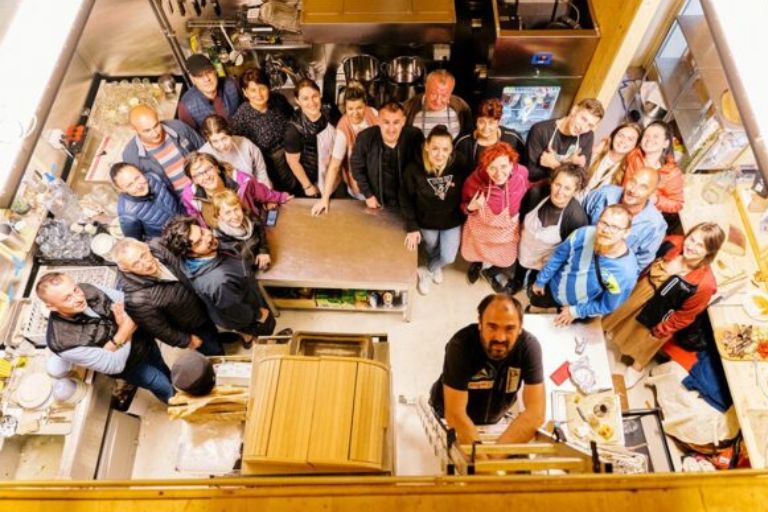
  • All ingredients or products used on the campus come from locals, small producers, social enterprises, fair trade, organic products
  • The European Parliament selected WeWilder Campus as an example of regenerative tourism for Romania
  • Cultivating trust between members the local community, which created favourable conditions for the establishment of the Gugulandia Armeniș Cooperative, with 11 members – WeWilder and 10 households with 2-3 generations of farmers each

>11

EDUCATION INITIATIVES FOR SUSTAINABLE DEVELOPMENT

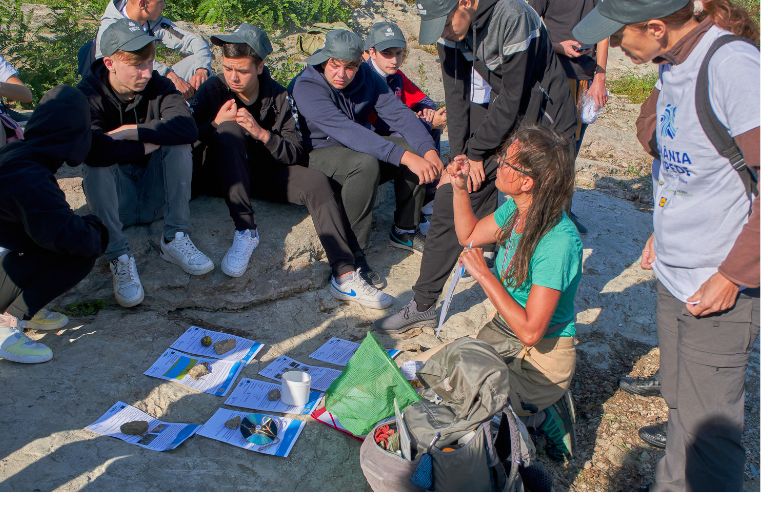
WWF’s environmental education work has contributed to building a generation of teachers, students and young citizens better equipped to understand and act for nature, through initiatives such as:

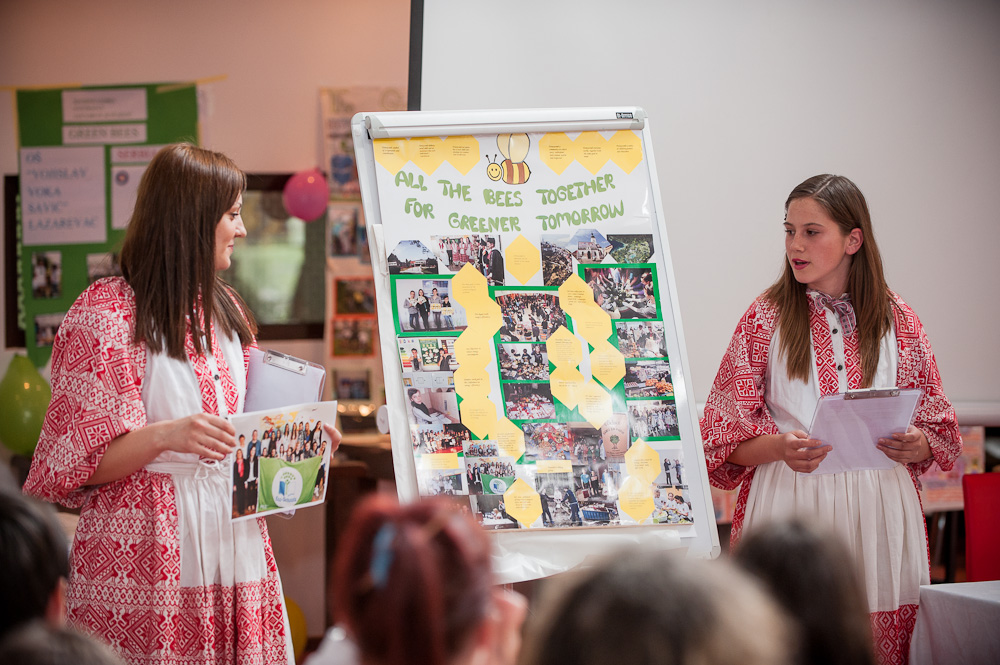
  • The first optional environmental course for grades 5-8 – „Green Schools” (implemented in over 120 classes in 41 counties) and the university course „Education for Sustainable Development” (still taught at the Faculty of Geography, University of Bucharest)
  • Contribution to the creation of the Green Week programme
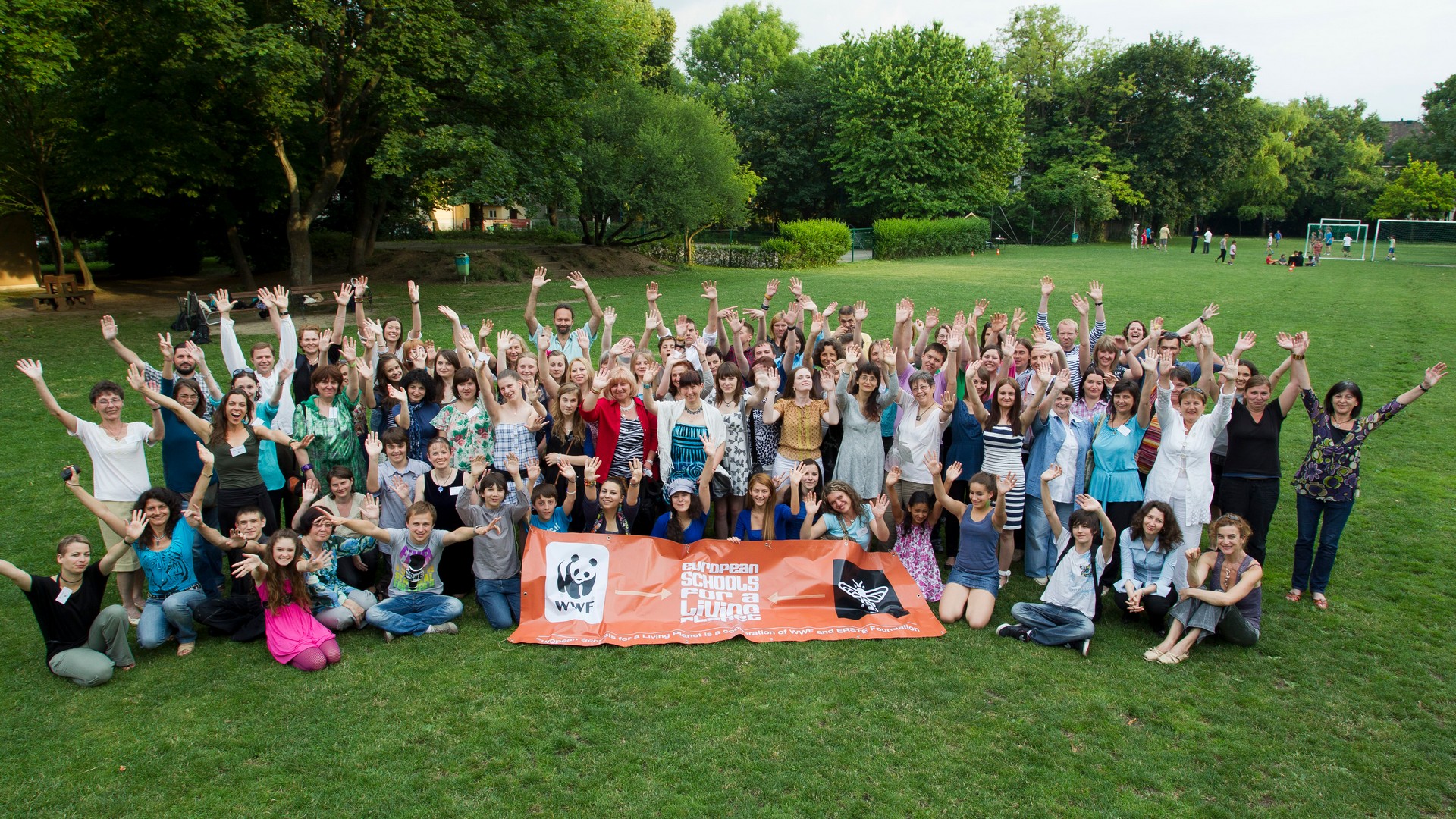
  • European Schools for a Living Planet (ESFALP)
  • Black Sea Book
  • Active Youth Wildlife Clubs in the Carpathians of Southwestern Romania, the Danube and the Danube Delta
  • Picnic Basket
  • Climate Heroes – Voices of Young People for Sustainable Living
  • Zero Plastic Patrol
  • One Planet City Challenge
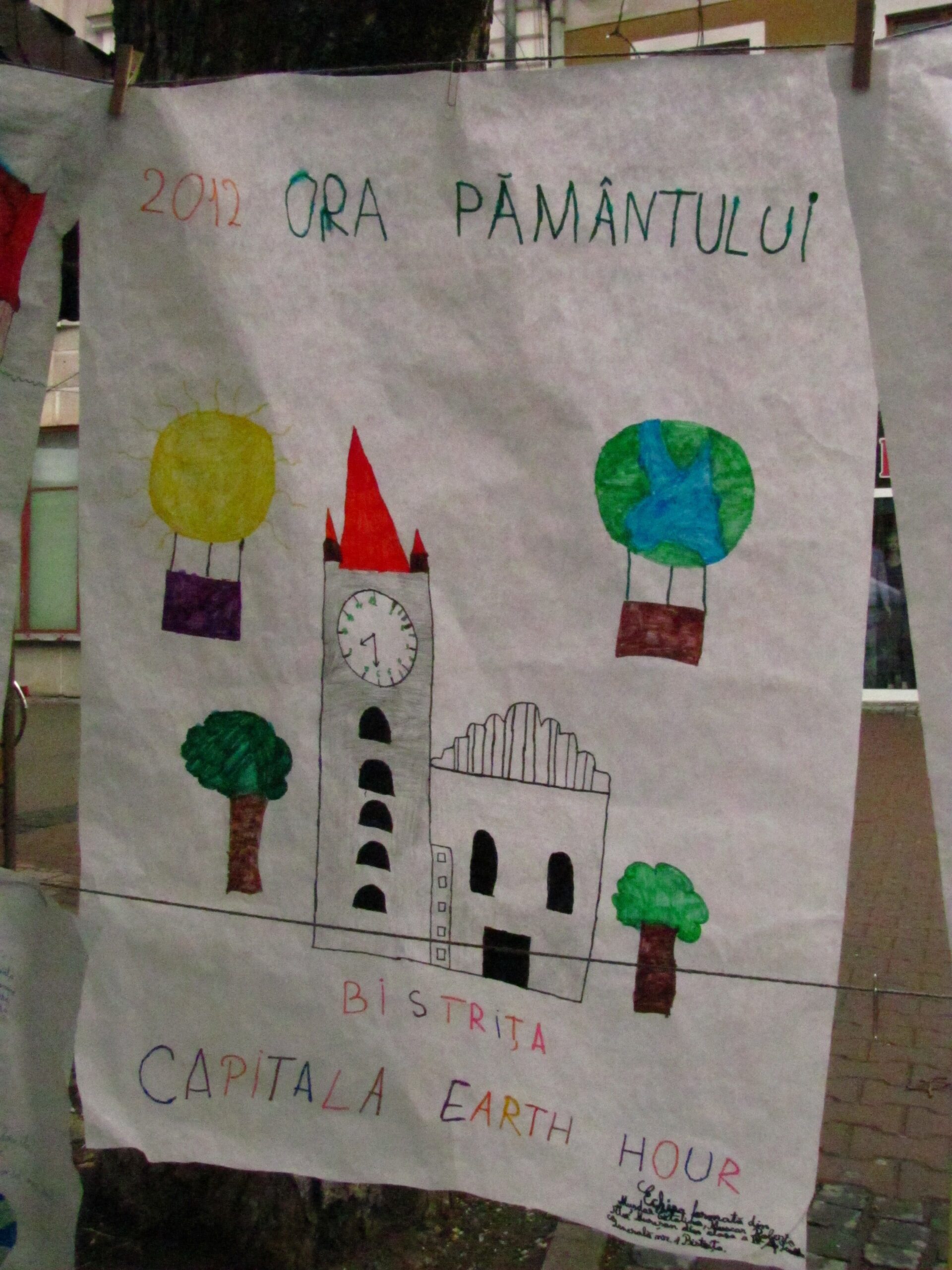
  • Earth Hour
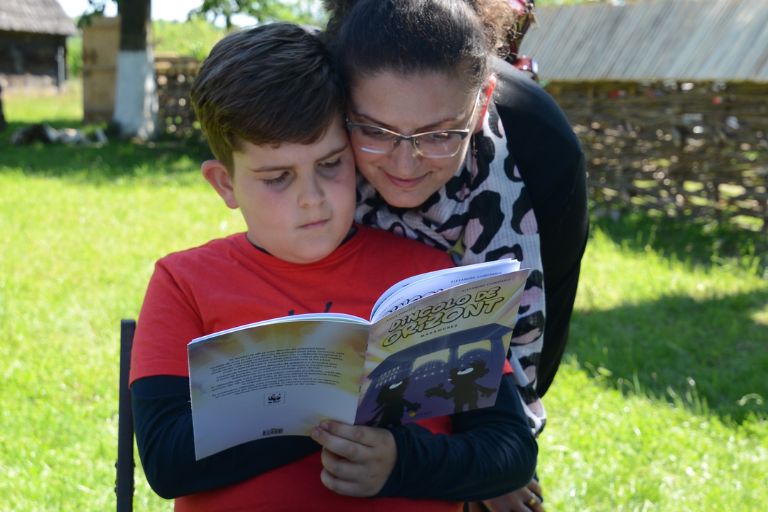
  • „Beyond the Horizon” comic book collection

2 PES SCHEMES (PAYMENTS FOR ENVIRONMENTAL SERVICES) - THE FIRST ONES IN ROMANIA

An innovative initiative for Romania, with the role of integrating the value of the benefits we receive from nature into a responsible relationship between those who manage land or natural areas, on the one hand, and on the other hand the beneficiaries/users of environmental services resulting from sustainable land management, especially businesses, tourists, etc.


Achievements:

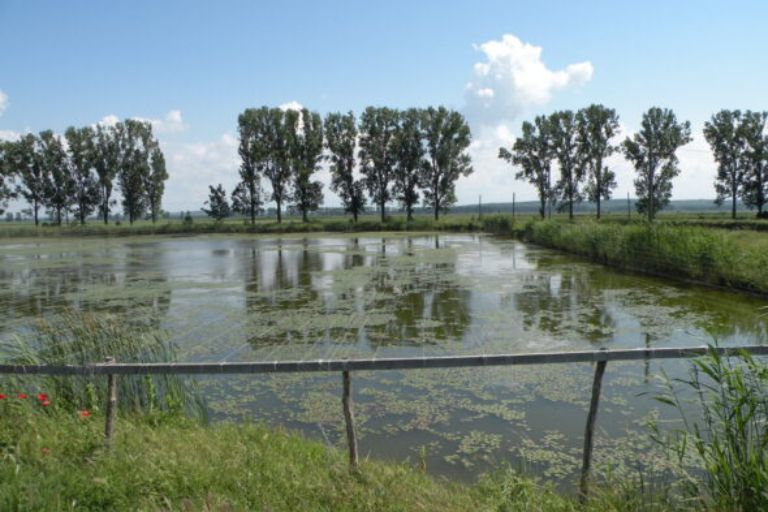
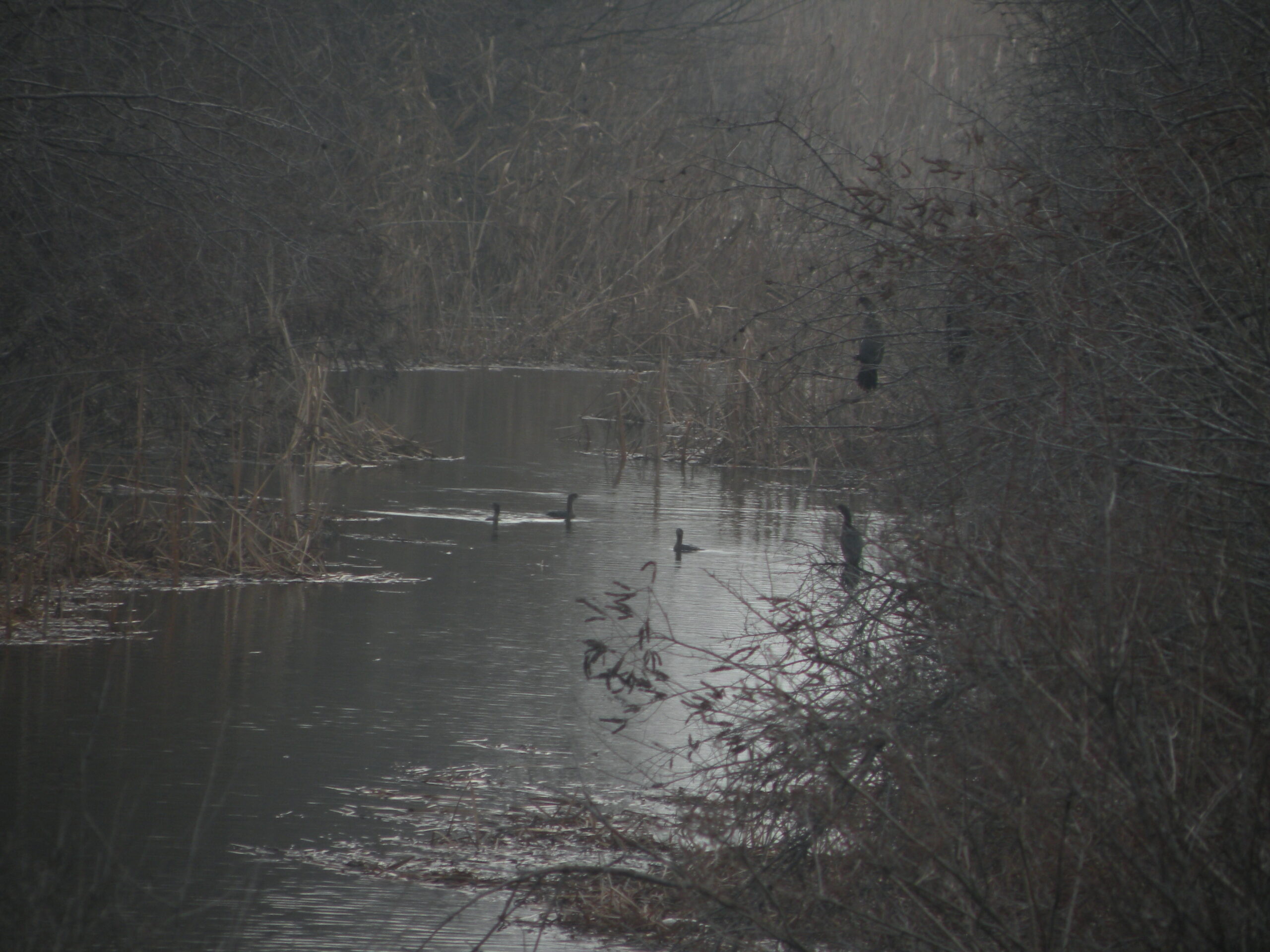
  • The first PES scheme in a fish farm in Romania, the Ciocănești farm in Călărași, designed as a reward for additional commitments to the existing legislative framework – a set of sustainable aquaculture measures for the conservation of birds in the Natura 2000 site and guaranteeing fishing activity at the same time
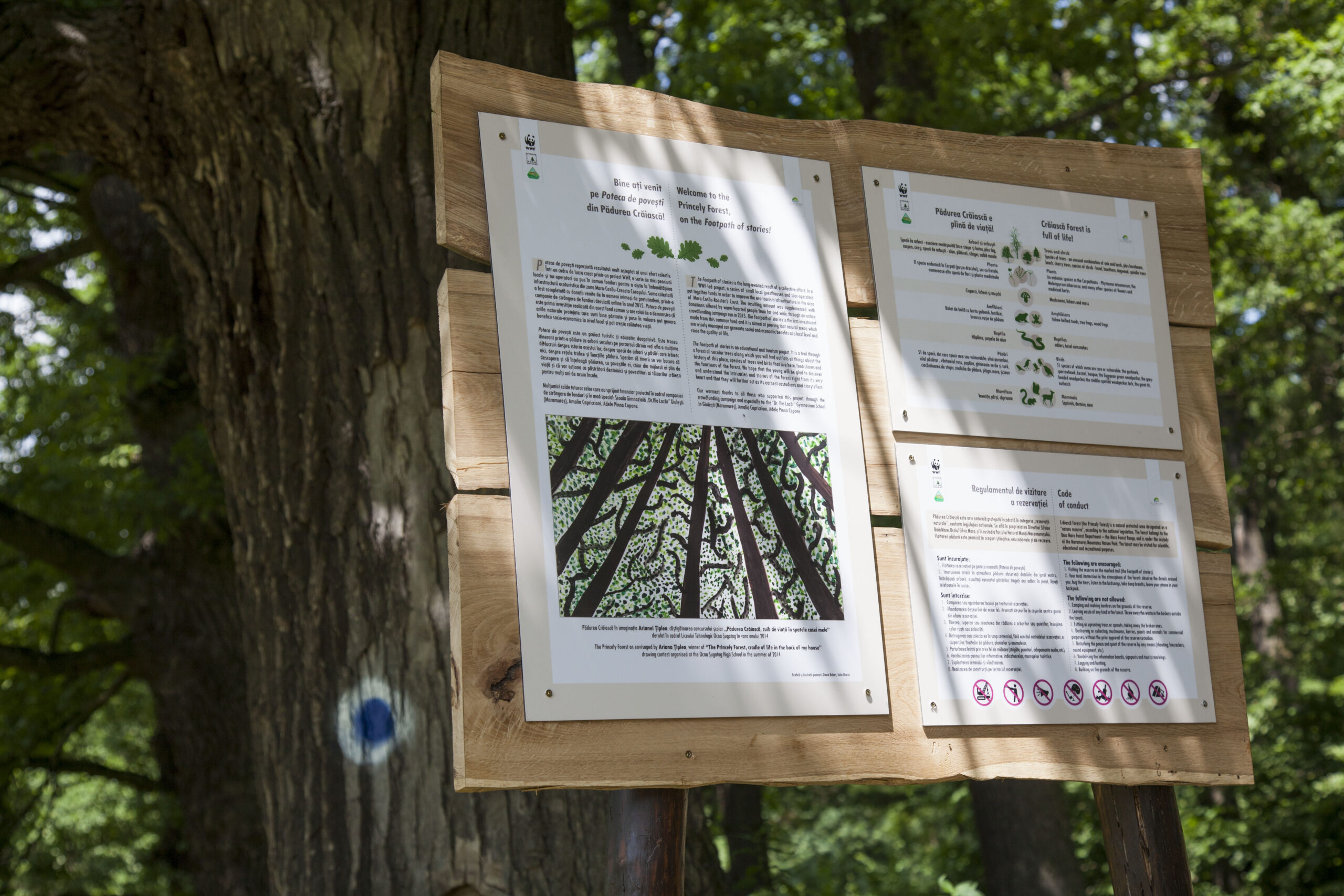
  • In historical Maramures, the first PES scheme based on the repositioning of protected areas as a driver for sustainable local development, the creation of the Local Development and Conservation Fund through which the thematic trail „The Story Trail” in the Royal Forest (Ocna Șugatag) was realised, with the involvement of local craftsmen and young people from the community

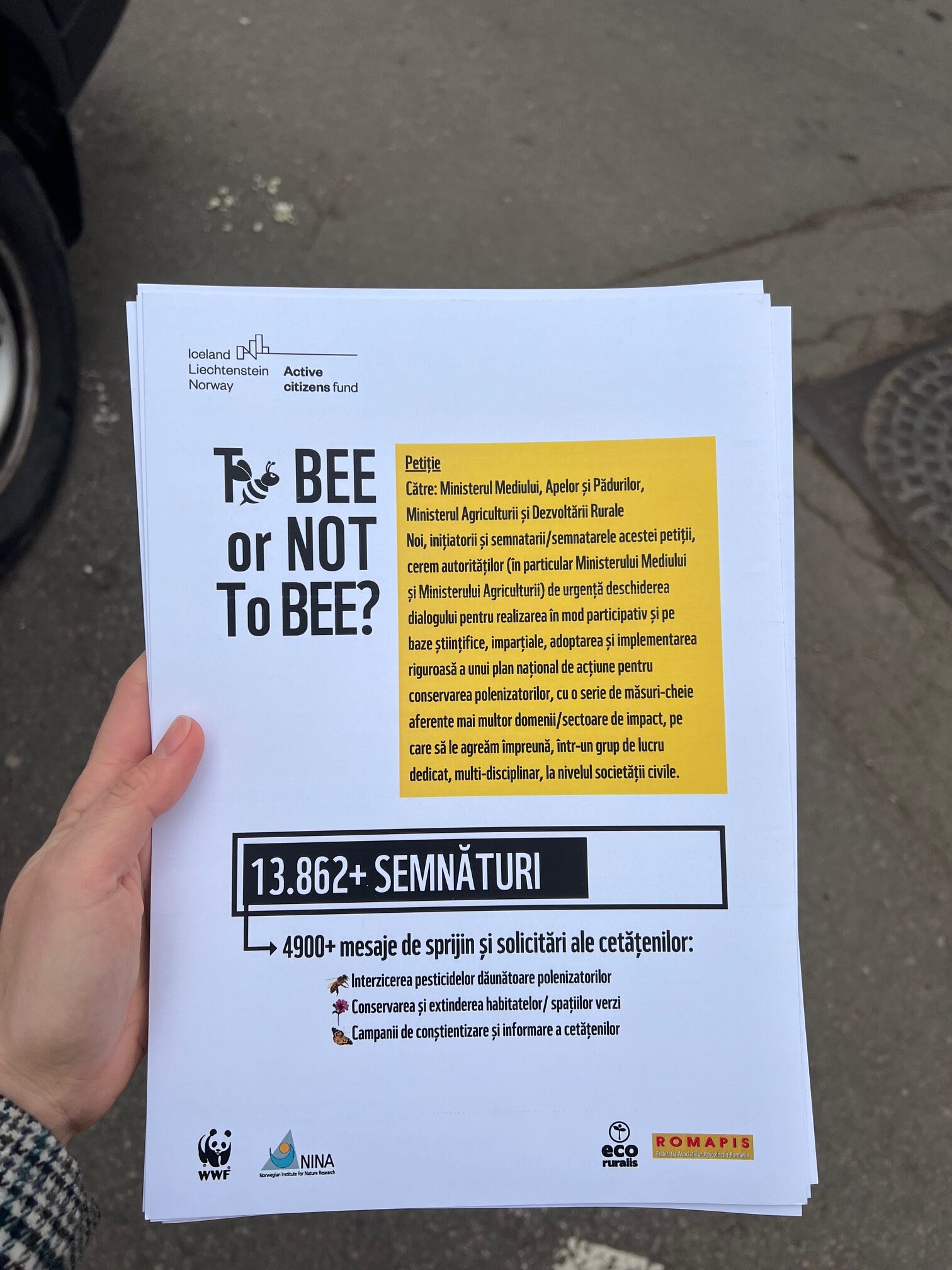
THE FIRST INTEGRATED INITIATIVE FOR THE PROTECTION OF POLLINATORS

14.000

SIGNATURES

5000

MESSAGES

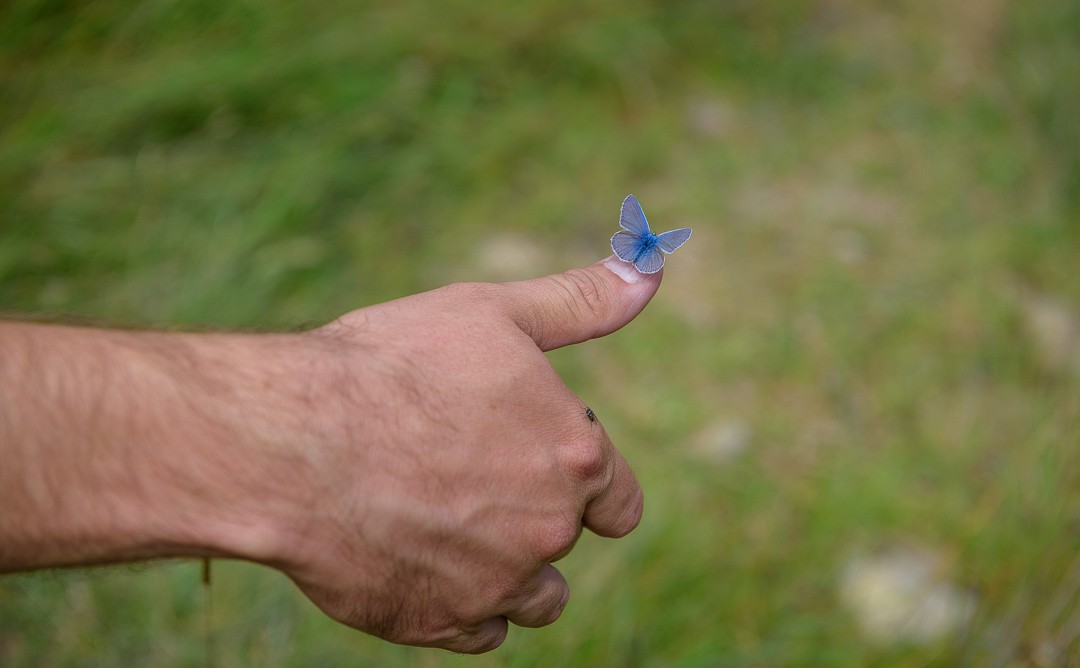
The first initiative to address the issue of pollinator species decline in an integrated manner – a theme with systemic impact (agriculture, pesticides, public health, green spaces/urban development, education and research, beekeeping, etc.), with public mobilisation, field research, bringing together young people and experts, and demonstrative urban actions.


Achievements:

  • First national prototype competition for a mobile application to inform and mobilise people to save pollinators
  • Public petition for a national action plan for pollinator conservation, with >14,000 signatures and 5,000 messages about what people want to happen to protect pollinators
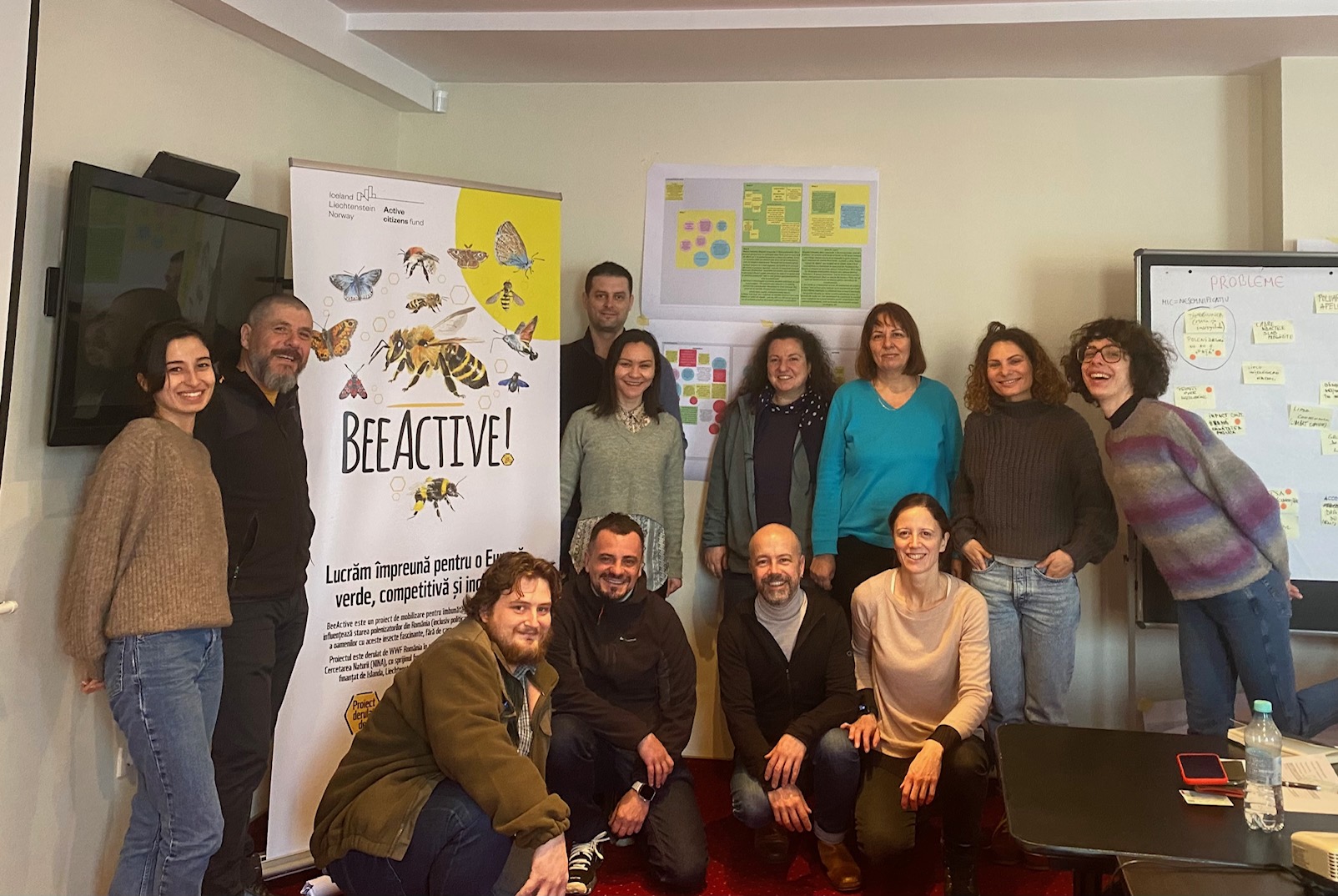
  • First group dedicated to saving pollinators, at civil society level, consisting of 14 organisations and 20 experts from different fields (research, beekeeping, agriculture, biology, ecology, entomology)
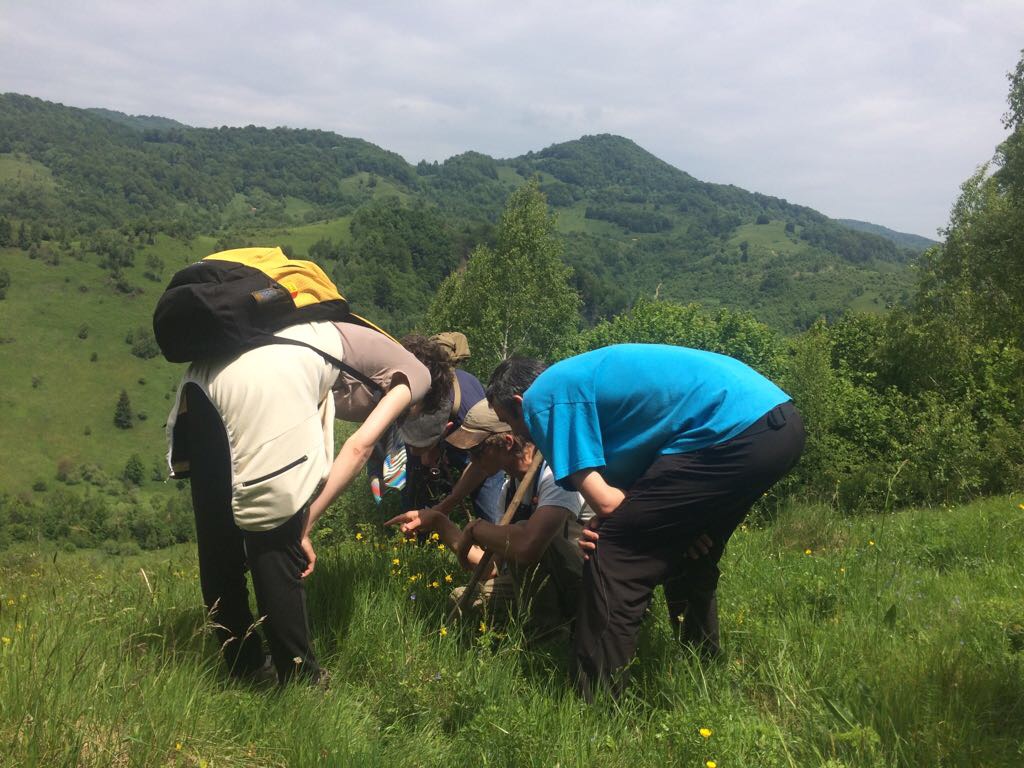
  • Field research in the Transylvanian Highlands, using an innovative methodology developed by Beeodiversity, through which we detected illegal pesticides in pollen collected by bees (including imidacloprid), but also the remarkable floristic diversity in the area
  • First analysis on the pollinator species in Romania that should be targeted with conservation measures – umbrella species/priority species
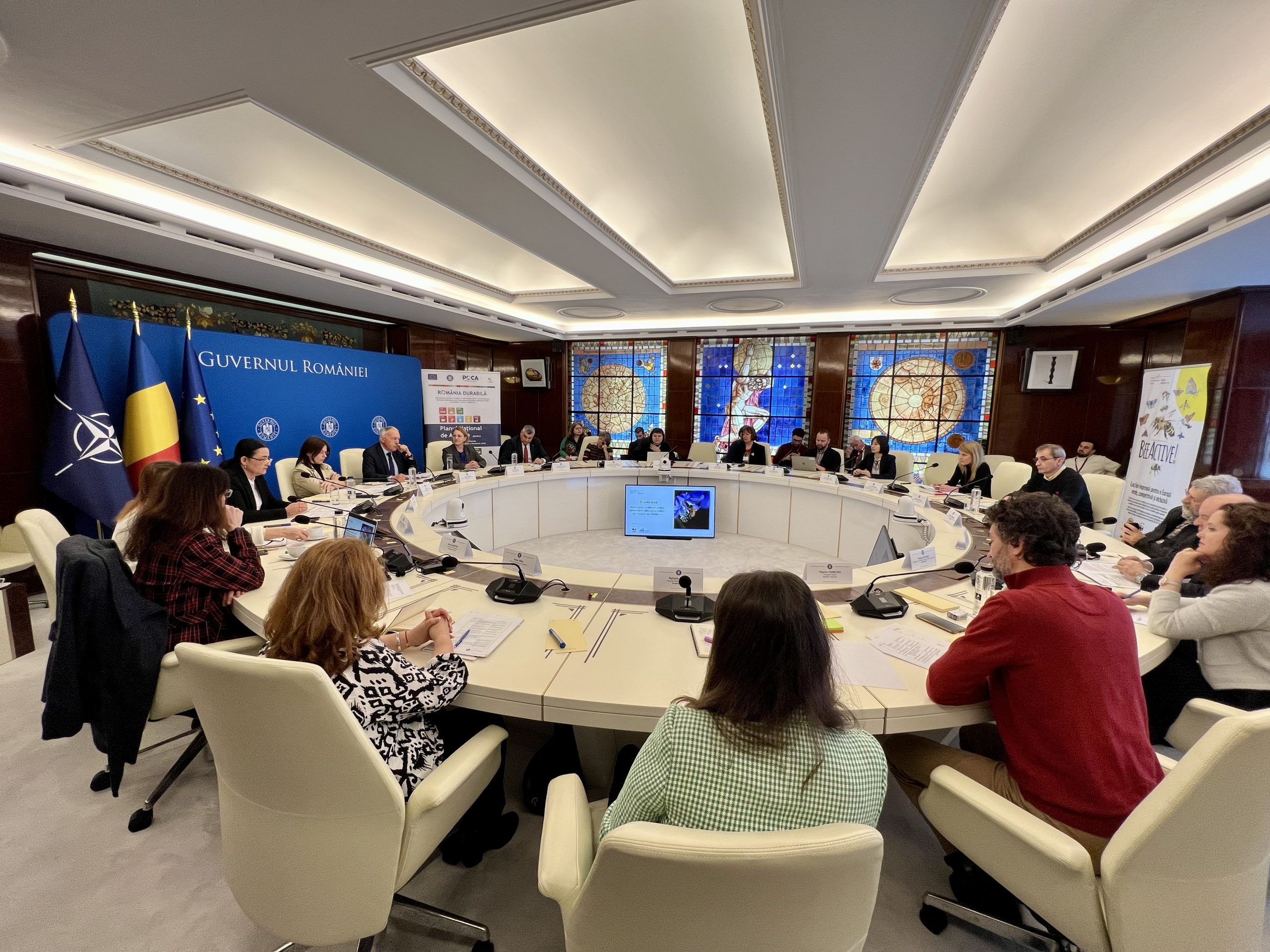
  • The first roundtables at government level discussing the situation of pollinators and the need for an integrated national plan to protect them, organised together with the Department for Sustainable Development of the Government of Romania
  • The first Youth Manifesto for Pollinators, produced by 5 of the most important youth organisations and launched in the Government, at the roundtables
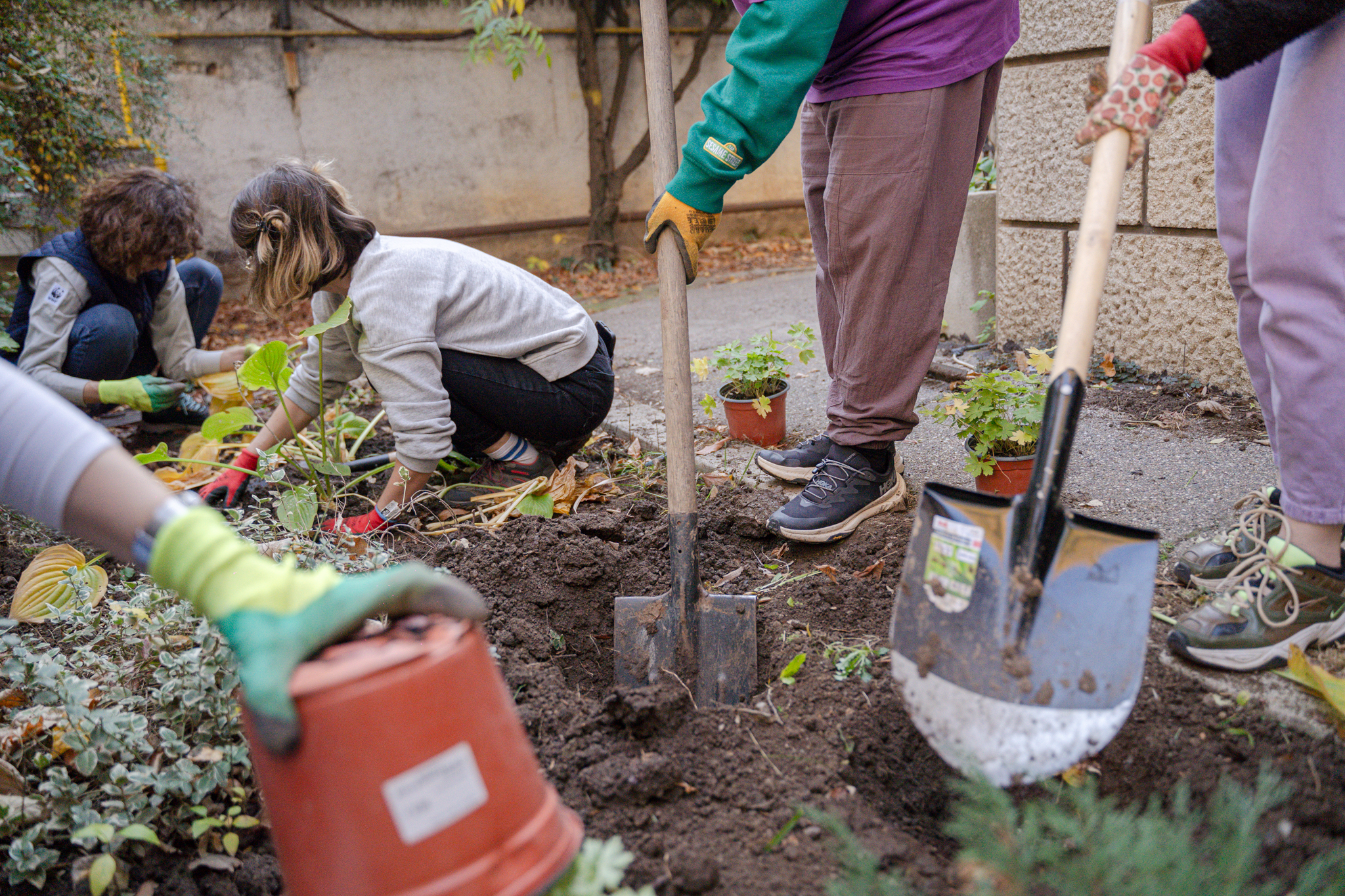
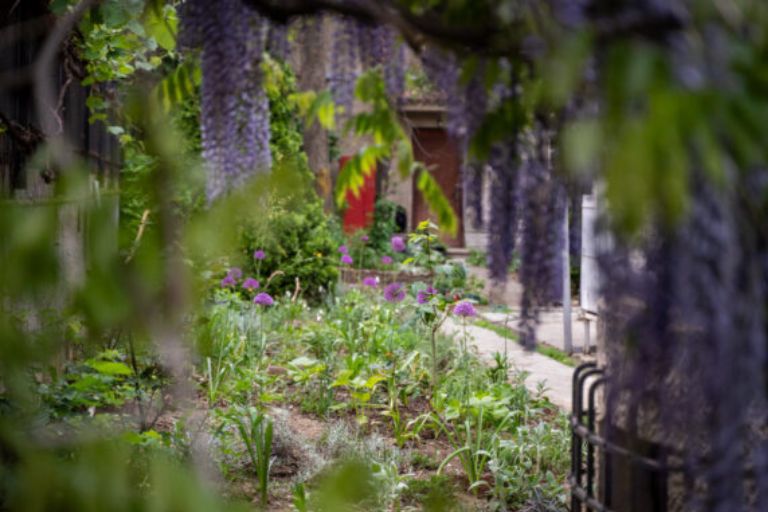
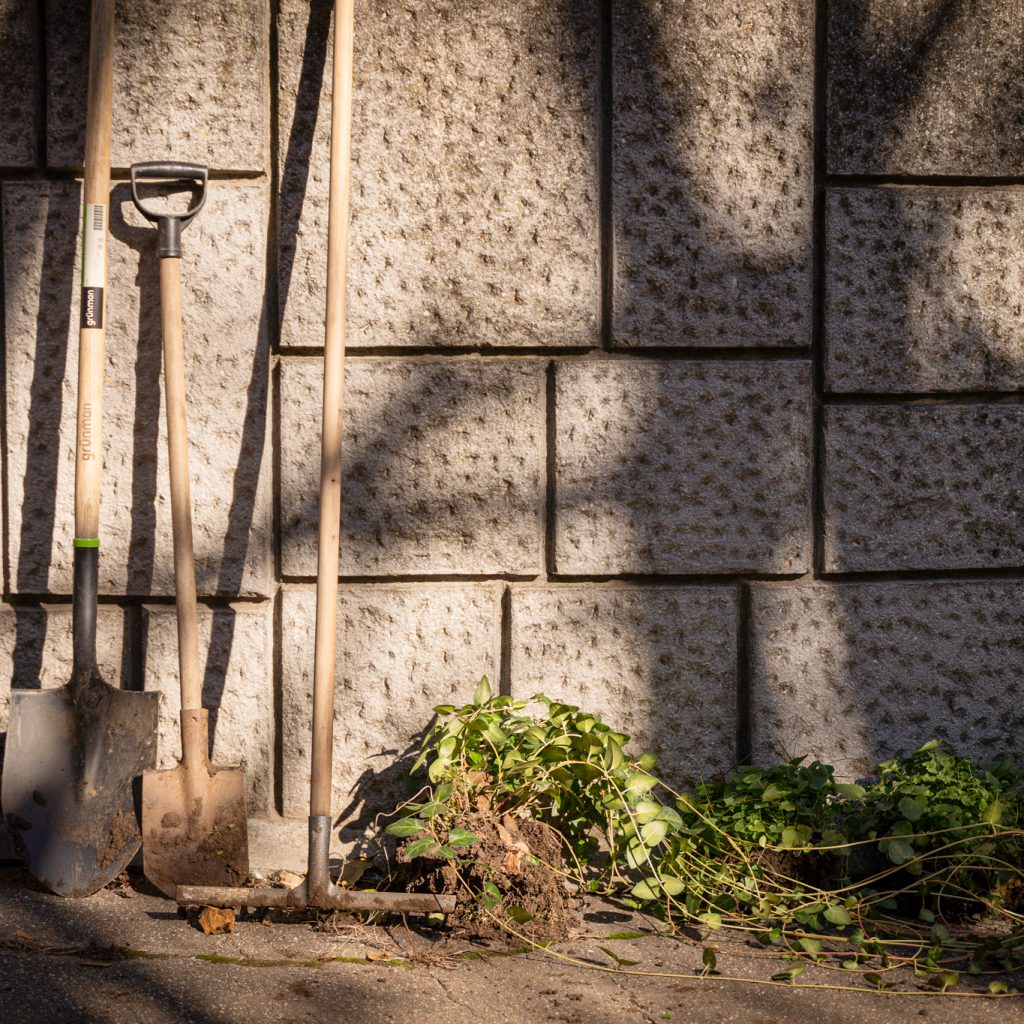
  • Local partnerships in Bucharest, with grassroots organisations, for the creation of habitats for pollinators – first intervention: redevelopment of the garden at the Map Museum, by transplanting 100 perennials and planting another 50 perennials and 135 spring bulbs, all with ecological value for pollinators

THANK YOU!

Plantare Muzeul Hartilor_nov 2025. (c) Lavinia Cioacă

In these 20 years of activity, we have had reliable partners from NGOs and public institutions, from the cultural sector, from academia, from the media, to whom we thank for the passion and knowledge they put at the service of the common good, for their trust and openness to working together.

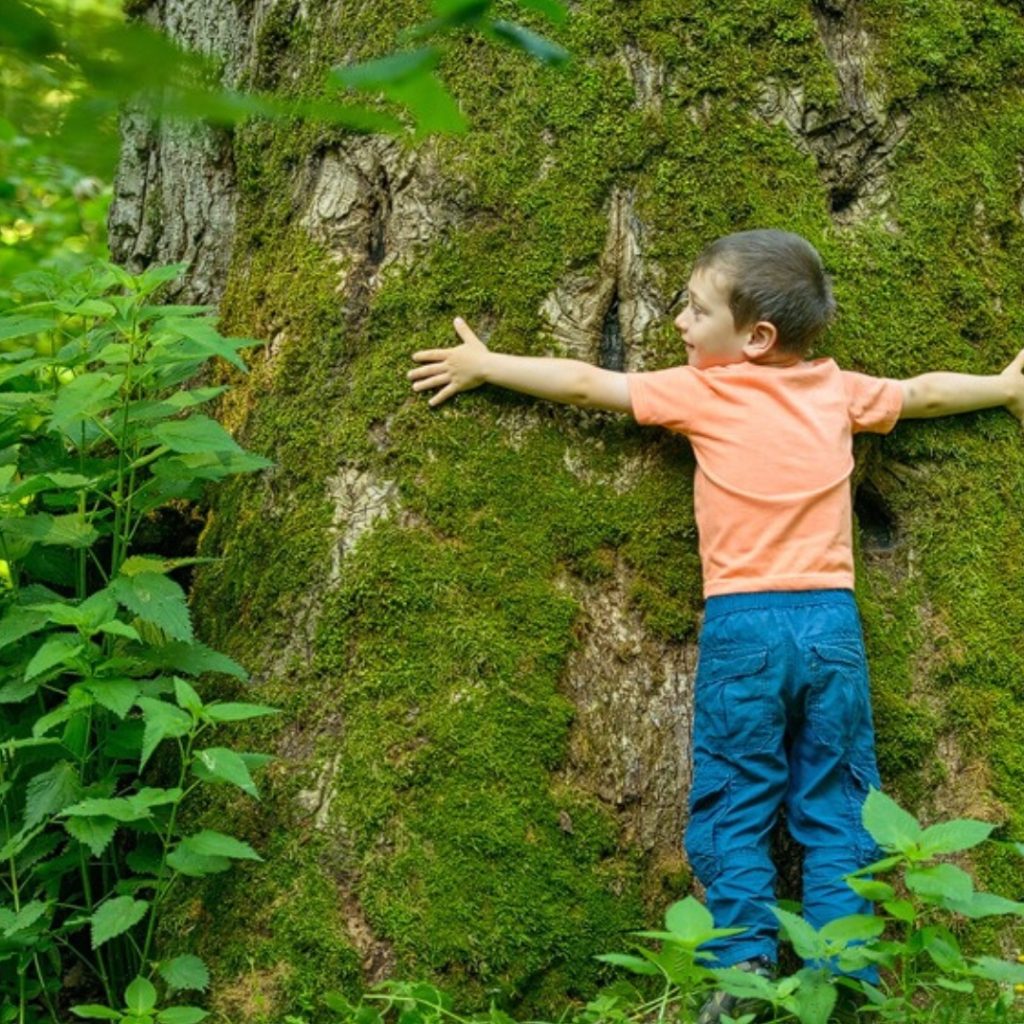
copil-imbratisand-un-copac-dan-dinu-1920x1080
I first met the WWF team in 2008, in Eșelnița, (Mehedinți), in my grandparents' village, when they invited me to the Danube Forum. I remember the warmth with which the WWF team welcomed me into the band of "friends of the environment" in Romania, the openness for collaboration proposals, after we met again in Bucharest. And I will never forget the emotion with which we organised at Green Mogo (our headquarters) the visit of WWF Director General James Leape in July 2012, the enormous joy of meeting the WWF team from all continents. I am grateful to the entire WWF team for 18 years of openness to proposals from a small, newly established local NGO. For our joint Green Schools project, for the first ever edition of Earth Hour organised together. For everything I have learned from you and, above all, for the friendship you have shown me. Happy birthday and to many ambitious projects, extremely necessary for people and nature!
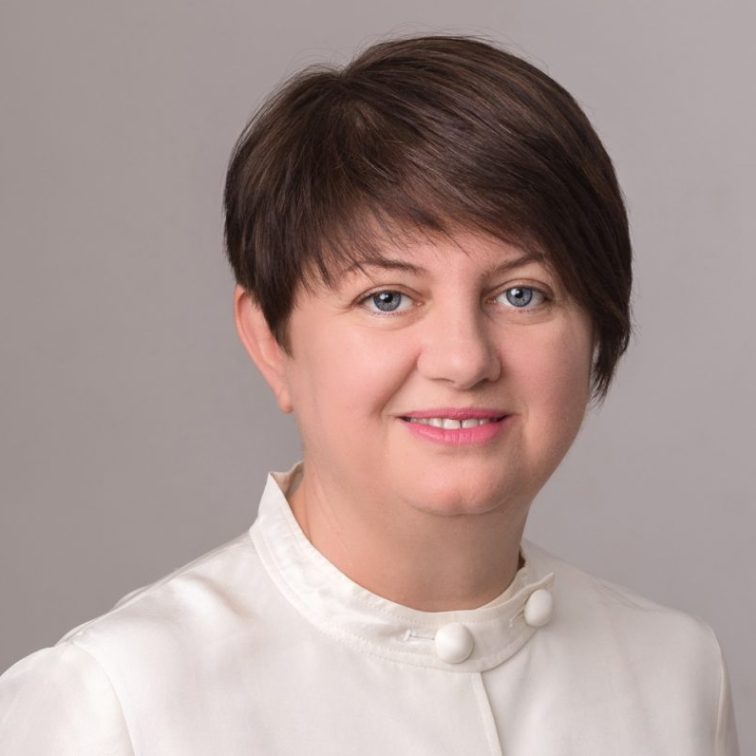
Felicia-Ienculescu-Popovici/Greenitiative
Felicia Ienculescu-Popovici
Director, Greenitiative Association
Twenty years means projects, it means making people understand you, it means making them want to get involved. Because what can better awaken the hero in us than a slogan like that: "virgin and unprotected" [with reference to the first ever campaign for virgin forests in Romania]! I learned with WWF, and I also gave something in exchange. There were benefits for both parties. Because we are all invited to create. "When you see a man who owns a craft, And who first seeks meaning, then abundance, It is clear that the light that shines on his face, A partner in Creation, he learns." I saw that light on every face of someone who dedicates himself to a cause! I tried to let as many people as possible know these signs, in an attempt to conceptualise an idea for which they themselves did not have the time to look for the right words. Collaborating with WWF changed me. Not dramatically, not overnight — but slowly, and forever. I understood that scientific rigor and the beauty of the phrase are not mutually exclusive. I learned that you can talk about hectares of semi-natural grasslands in a way that makes a man in Bucharest feel like he has lost something, even if he has not seen them. With WWF, I have learned in twenty years that nature speaks. That it sometimes needs someone to lend it a voice. And because nothing is a coincidence, even if it seems so to us, one of my 4-year-old son's favorite stuffed toys is a panda bear.
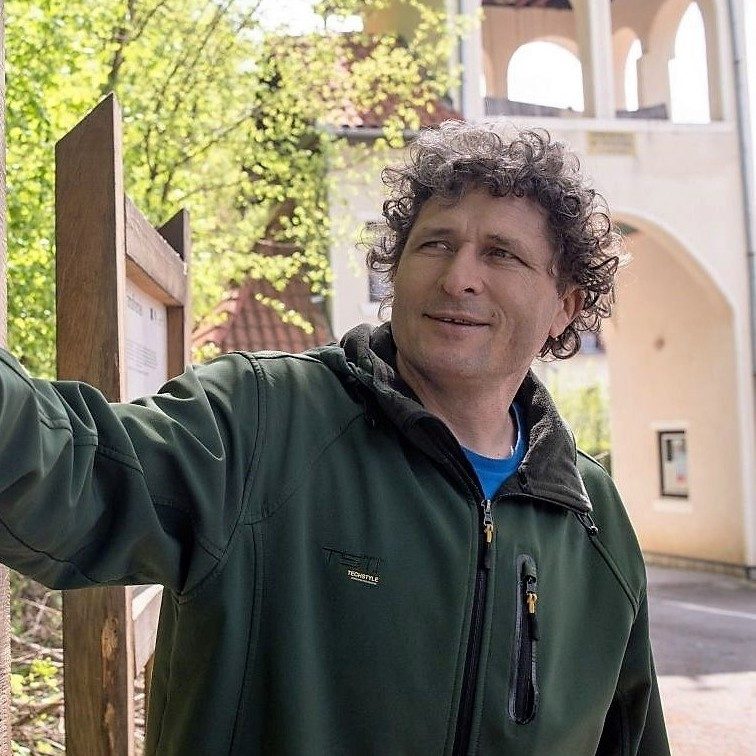
ben-mehedin_fundatia ADEPT transilvania
Ben Mehedin
Food and Farming Communities Manager, ADEPT Foundation Transylvania
You had only been active in Romania for two years when you agreed to support a crazy project, a photographic journey along the Danube, from the Black Forest to the Black Sea. It was the beginning of a beautiful collaboration that would pave the way for the largest effort dedicated to nature photography and documentary film from our country. The Wild Romania project would not have been possible without your support and teamwork. United we are stronger, because a single voice speaking in unison about the importance of nature conservation will have more impact than whispers lost here and there. Collaborating with you defined my career and helped me understand the importance of environmental NGOs and the strength of people who put passion into what they do. Even though many years have passed since these beginnings, I am glad to see that you have not changed and that you have continued to support wonderful projects. Anyone who comes to you for a partner, goes home with a friend. I hope we can celebrate together 50 years of activity, in a Romania full of pollinators, with more healthy virgin forests, less plastic on the waters and more restored wetlands. A big thank you for what you do and for the support I have always found in your ranks.
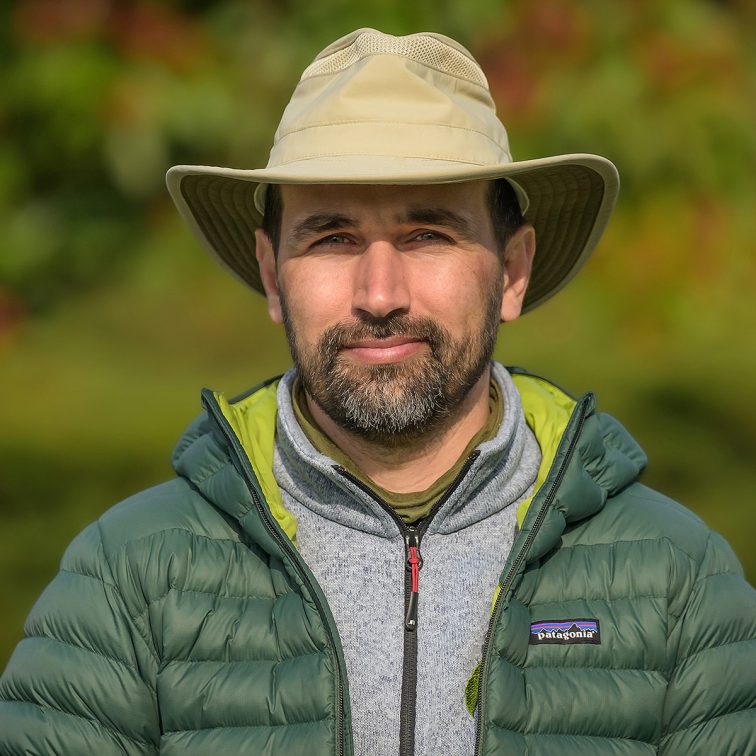
Dan Dinu/Romania Salbatica
Dan Dinu
Nature & travel photographer | Documentary film director & producer
Looking ahead

Building on proven local solutions and long-term partnerships, we want to focus on:

Scaling up green/organic food procurement

Integrating pollinator protection into agricultural and national policies

Supporting small-scale producers and strengthening local/short value chains

Strengthening local nature-based economies and governance

Scaling up innovative financing mechanisms for nature management

Integrating education, behavior and consumer choices

EXPLORE ALSO...

Scroll to Top

Alătură-te comunității WWF-România și descoperă poveștile care au definit 20 de ani de grijă pentru natură. Îți scriem ocazional, doar atunci când avem ceva important de împărtășit.

Câmpurile marcate cu steluță (*) sunt obligatorii.

This field is hidden when viewing the form
DD dot MM dot YYYY